The CGI transition tax
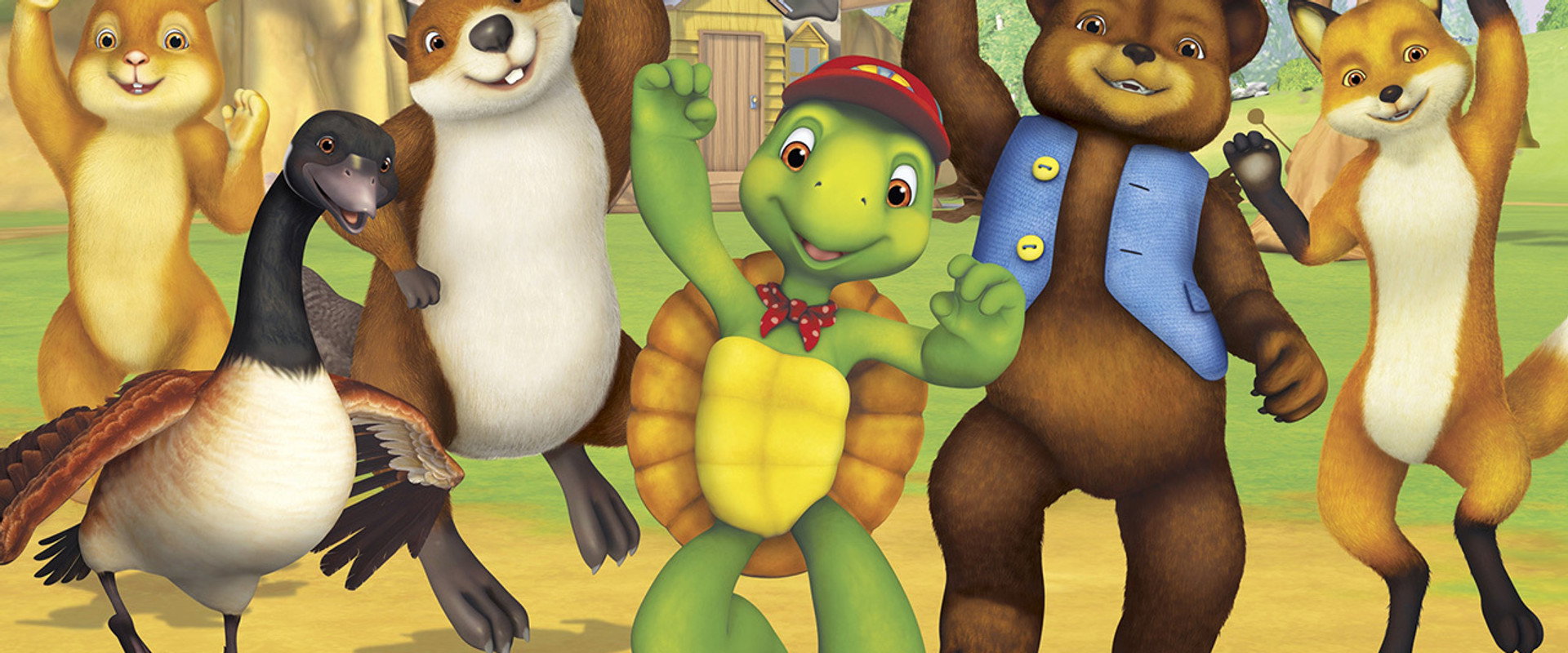
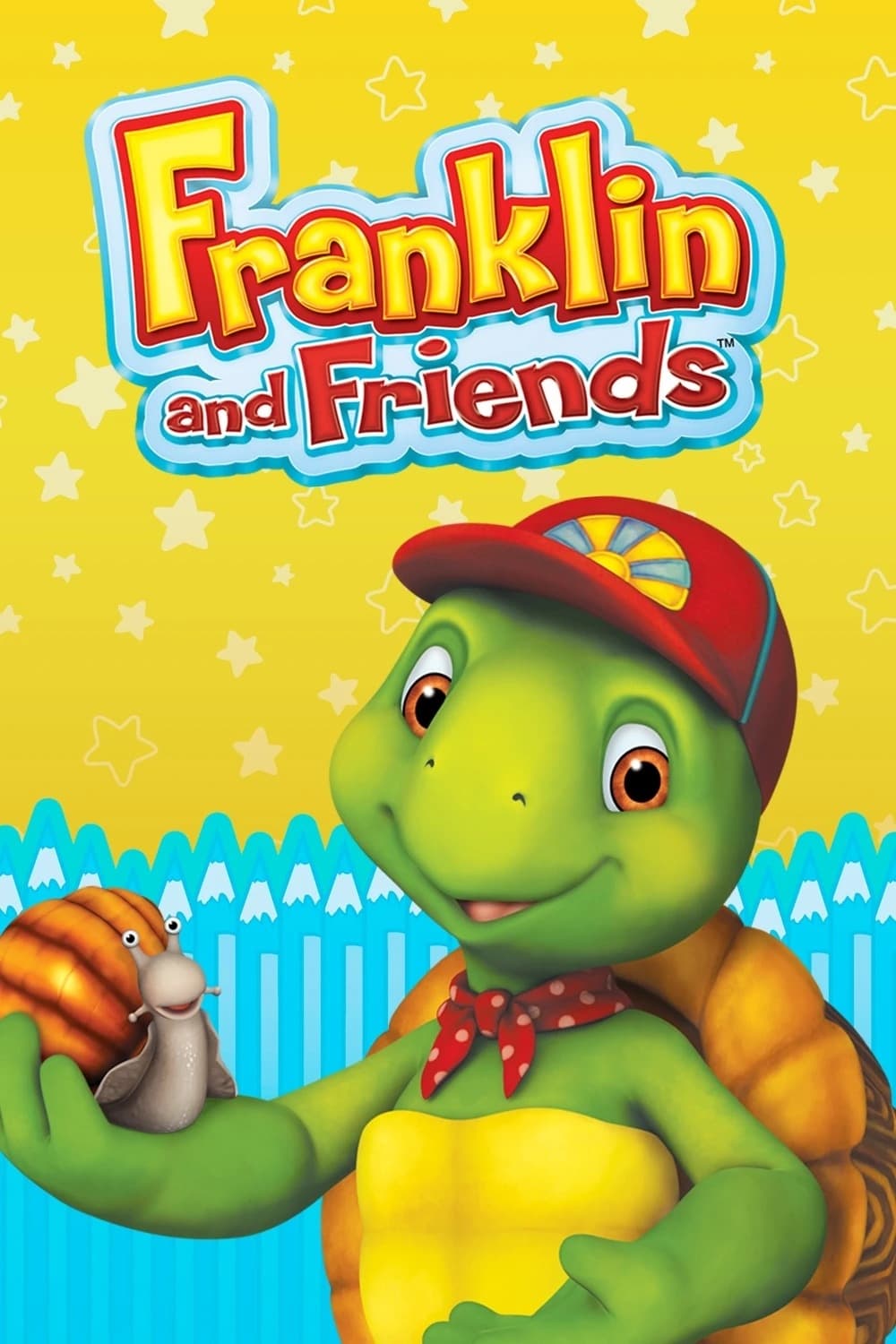
If you’re looking at that 5/10 IMDB score and wondering if this show is a dumpster fire, take a breath. It isn't. That rating is almost certainly the result of millennial parents who grew up with the hand-drawn 1997 original and felt personally insulted by the move to 3D. When Nelvana rebooted the series in 2011, they traded the soft, storybook aesthetic for a CGI look that—let's be honest—hasn't aged gracefully. The characters have a slightly rubbery texture, and the environments lack the watercolor charm of the Paulette Bourgeois books.
But here is the thing: your four-year-old does not care about the "soul" of 2D animation. They care about whether Franklin gets to play Knights with Bear. If you can get past the stiff animation, the DNA of the show remains intact. It’s still a series about a turtle who is remarkably relatable because he’s kind of a mediocre athlete and occasionally a bit of a brat.
The functional "wind-down" watch
We talk a lot about high-quality kids' TV, but there is a specific category of media that exists solely to lower the cortisol levels in your living room. Franklin and Friends is the gold standard for this. Unlike the frantic, neon-soaked pacing of modern YouTube-native content, this show moves at the speed of, well, a turtle.
The stakes are consistently low. A typical crisis involves a lost drawing or a misunderstood set of rules for a forest game. This makes it a perfect "bridge" show for that transition between playground chaos and nap time. It provides enough narrative to keep a kid seated without the sensory overload that leads to a post-screen meltdown. If you find Bluey too stimulating or Paw Patrol too loud, this is your tactical retreat.
How it stacks up
If your household is already deep into Little Bear or Frog and Toad, Franklin and Friends will feel like a natural, if slightly more modern, extension. It’s more structured than Puffin Rock and carries more explicit "lessons" than Trash Truck.
The "preachy" nature mentioned in the verdict is real—Franklin often turns to the camera or his parents to verbalize exactly what he learned about patience or honesty—but for the 3-to-6 demographic, that literalism is actually a feature. They are still figuring out the mechanics of social interaction, and having a turtle spell it out for them saves you from having to do the heavy lifting during the credits.
Don't expect to be entertained as an adult. There are no "wink-and-a-nod" jokes for the parents here. It is purely, unapologetically for the kids. You’ll probably want to have a podcast or a book handy while it’s on, but you can rest easy knowing that nothing objectionable is going to happen on screen while your back is turned. It’s safe, predictable, and functional media.