Our reviews and ratings are 100% unbiased. Screenwise is a Bookshop.org affiliate and an Amazon Associate, so if you buy a book through one of our links, we may earn a commission. Bookshop.org purchases also support independent bookstores.
Screenwise Verdict
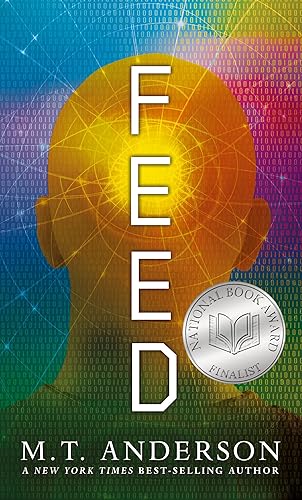
Feed is one of those rare YA novels that's actually smarter than most of what teens are reading. Anderson wrote this in 2002 and basically predicted the hellscape of algorithmic feeds, data mining, and attention economy that we're all living in now. That alone makes it worth reading.
But let's be real: this book is a bummer. It's supposed to be—it's satire—but watching Violet slowly die while corporations harvest her data and Titus remains too shallow to truly connect with her is genuinely depressing. The ending offers no hope, no redemption, just a bleak look at humanity's trajectory. Some teens will find this intellectually stimulating; others will just find it sad.
That said, if you've got a thoughtful high schooler who's glued to their phone and needs a wake-up call about what infinite scroll is doing to their brain, this book is perfect. It's the kind of fiction that builds real critical thinking skills about technology and consumerism. Just prepare them for the emotional weight—this isn't Hunger Games with a heroic arc. It's more like watching a car crash in slow motion while everyone around you scrolls past it.
Definitely worth reading for the right teen, but save it for 14+ and maybe have some lighter fare ready as a palate cleanser.
Age Fit
Best for mature teens 14+ who can handle dark themes and sad endings. This isn't light reading—it's thoughtful, depressing satire that works best for readers ready to grapple with heavy social commentary. Too bleak for middle schoolers, but perfect for high schoolers studying dystopian lit or media literacy.
WISE Breakdown
Wholesome
45
This dystopian satire depicts a bleak future where consumerism and technology have eroded human connection and critical thinking. The emotional tone is intentionally nihilistic and depressing, with characters who are shallow and disconnected. While this serves the satirical purpose, it's not emotionally healthy viewing—the book portrays a world where people are manipulated by constant advertising fed directly into their brains, relationships are superficial, and the ending is devastatingly sad. The pacing works for the story, but the overall emotional experience is dark and unsettling.
Imaginative
88
Anderson's world-building is genuinely original and prescient—written in 2002, it anticipated social media feeds, algorithmic advertising, and smartphone addiction with eerie accuracy. The concept of the 'feed' as a brain implant that constantly streams content and ads is creative and thought-provoking. The language itself is inventive, using future slang that feels authentic. It invites readers to think critically about technology's trajectory and imagine alternative futures. This is the kind of speculative fiction that sparks real conversations about where we're headed.
Safe
65
For a YA dystopian novel, this is relatively safe in terms of graphic content—no extreme violence, gore, or explicit sexual content. However, there are mature themes including consumerism, manipulation, illness (Violet's deteriorating condition is disturbing), and a deeply sad ending. The book includes some crude language and references to partying/drinking. The emotional weight of watching Violet slowly die while corporations exploit her data is heavy. It's not going to traumatize a mature teen, but younger or more sensitive readers might find it genuinely upsetting. Publisher recommends ages 14-17, Common Sense Media reviews suggest 14+.
Enriching
92
This is where Feed truly shines. It's a brilliant piece of social commentary that gets teens thinking about media literacy, consumerism, privacy, and technology's impact on humanity. Parents call it 'the modern Fahrenheit 451 or 1984,' and that's accurate—it builds critical thinking skills and prompts discussions about corporate manipulation, environmental degradation, and what it means to be human in a digital age. The satire is sharp and the themes are incredibly relevant to today's teens who are growing up with algorithmic feeds. It's legitimately educational while being engaging fiction.
Parent Info
✓
Why It Might Be Great
Written in 2002 but predicted our current social media/algorithmic feed reality with scary accuracy
Smart social commentary that builds media literacy and critical thinking about tech, consumerism, and corporate manipulation
Inventive world-building and future slang that feels authentic and creative
Named a Time Magazine Top 100 YA Book—this is the modern 1984 for the Instagram generation
Sparks genuine conversations about privacy, humanity, and what we're sacrificing for convenience
⚠
What to Watch For
Emotionally heavy—Violet's slow deterioration and eventual death is genuinely sad and disturbing
The ending is bleak with no happy resolution; this might be tough for sensitive readers
Some crude language and references to teen partying/drinking
The nihilistic tone is intentional satire, but the world depicted is depressing and might feel hopeless to some teens
Conversation Starters
"How is the 'feed' in this book similar to your phone or social media? Do you ever feel like algorithms know you too well?"
"Why do you think Violet resists the feed while Titus and his friends embrace it? What would you do?"
"The corporations in this book track everything and use it to sell products. How is that different from (or similar to) what happens now?"
"Do you think we're heading toward the world Anderson describes? What could we do differently?"
"The book shows how the feed makes people stop thinking critically. Have you noticed that happening in real life?"