The anti-action Tom Cruise
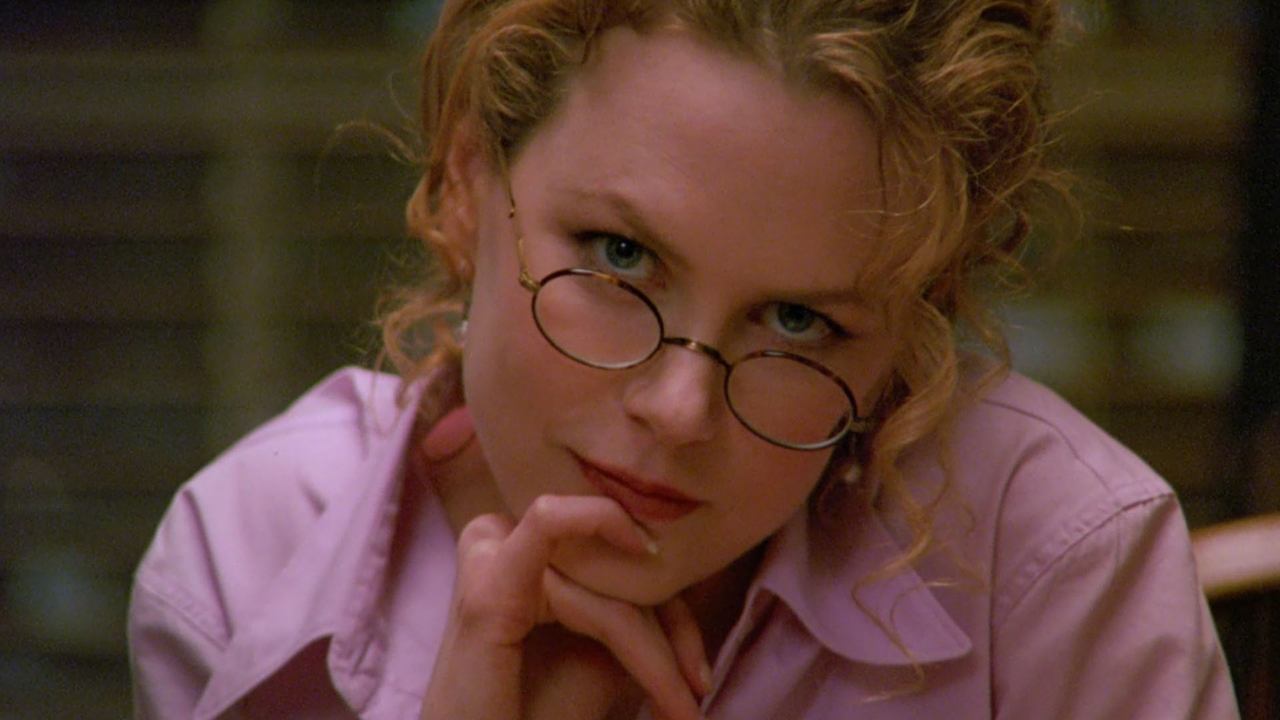
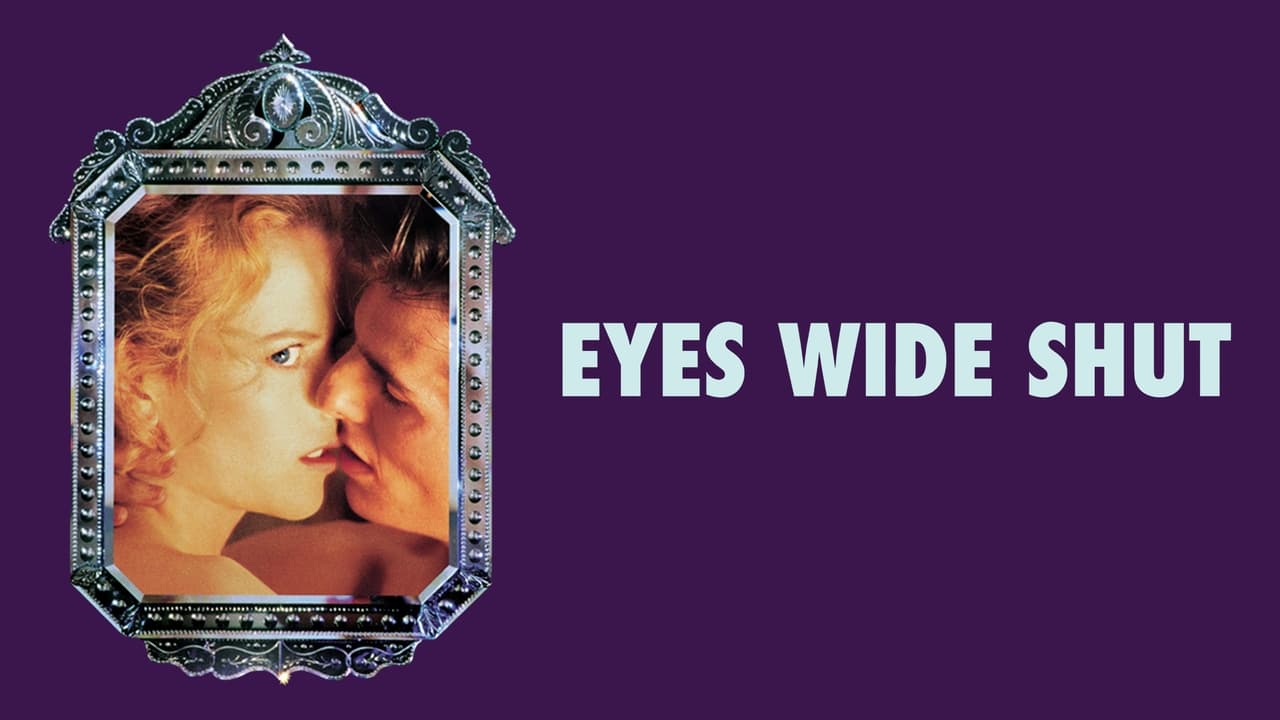
If you’re used to seeing Tom Cruise sprint across rooftops or hang off the side of a plane, Eyes Wide Shut is going to be a massive tonal pivot. This isn't the high-octane spectacle found in our guide to Tom Cruise movies and their age ratings. Here, Cruise plays a man who is essentially powerless. He spends most of the movie looking dazed, wandering through a dreamlike version of New York City that feels slightly "off" because it was filmed almost entirely on soundstages in England.
It’s a fascinating performance because it strips away his usual invincibility. He’s vulnerable, jealous, and frequently outmatched by everyone he meets. If you’ve ever found his "action hero" persona a bit too polished, watching him get methodically dismantled by a series of strange encounters is incredibly satisfying.
A dream logic New York
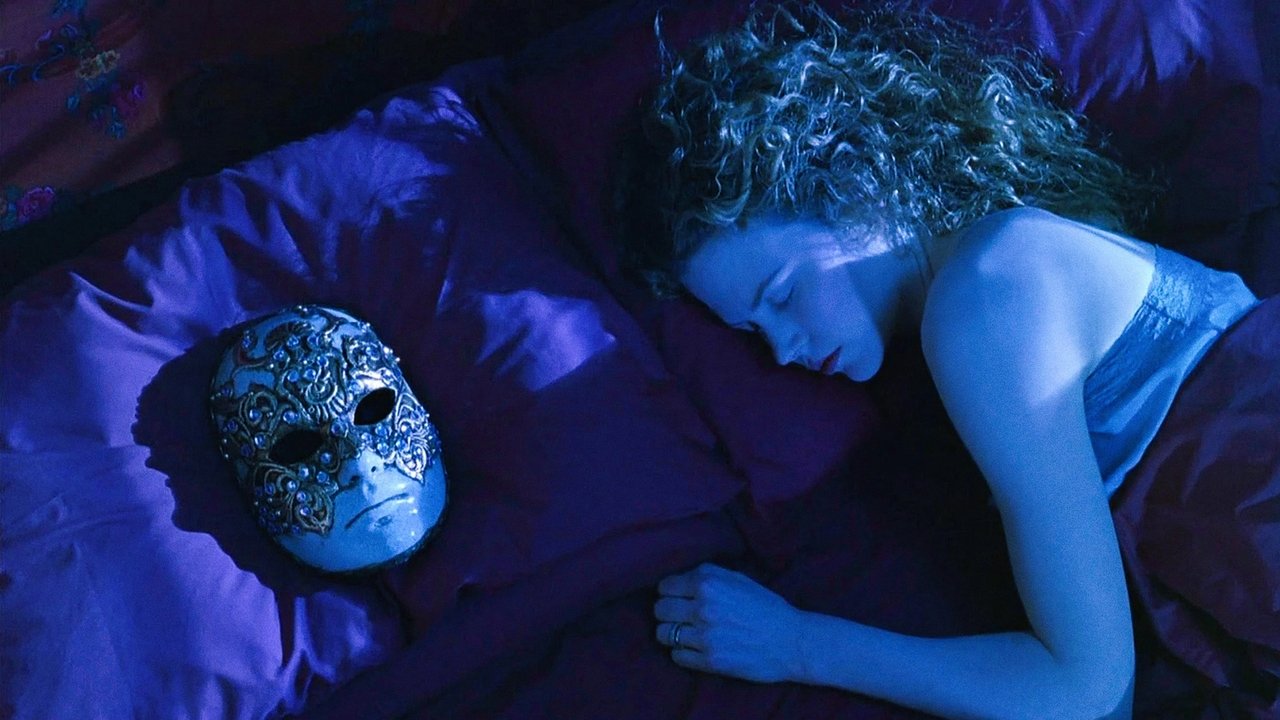
The movie is famous for its "secret society" plot, but the real star is the atmosphere. Critics on Rotten Tomatoes and fans on Letterboxd often point to the film’s "dream logic." Nothing feels quite real—the Christmas lights are too bright, the streets are too empty, and the conversations have a rhythmic, repetitive quality that feels like a trance.
It moves slowly. If you’re looking for a tight thriller with a ticking clock, this isn't it. It’s a movie that wants you to sit in the discomfort of a crumbling marriage. The central conflict isn't a physical threat; it’s the realization that you can never truly know everything going on inside your partner’s head. That psychological friction is what makes it a masterpiece, but it’s also what makes it a tough sit for anyone expecting a standard Hollywood mystery.
The conversation it actually starts
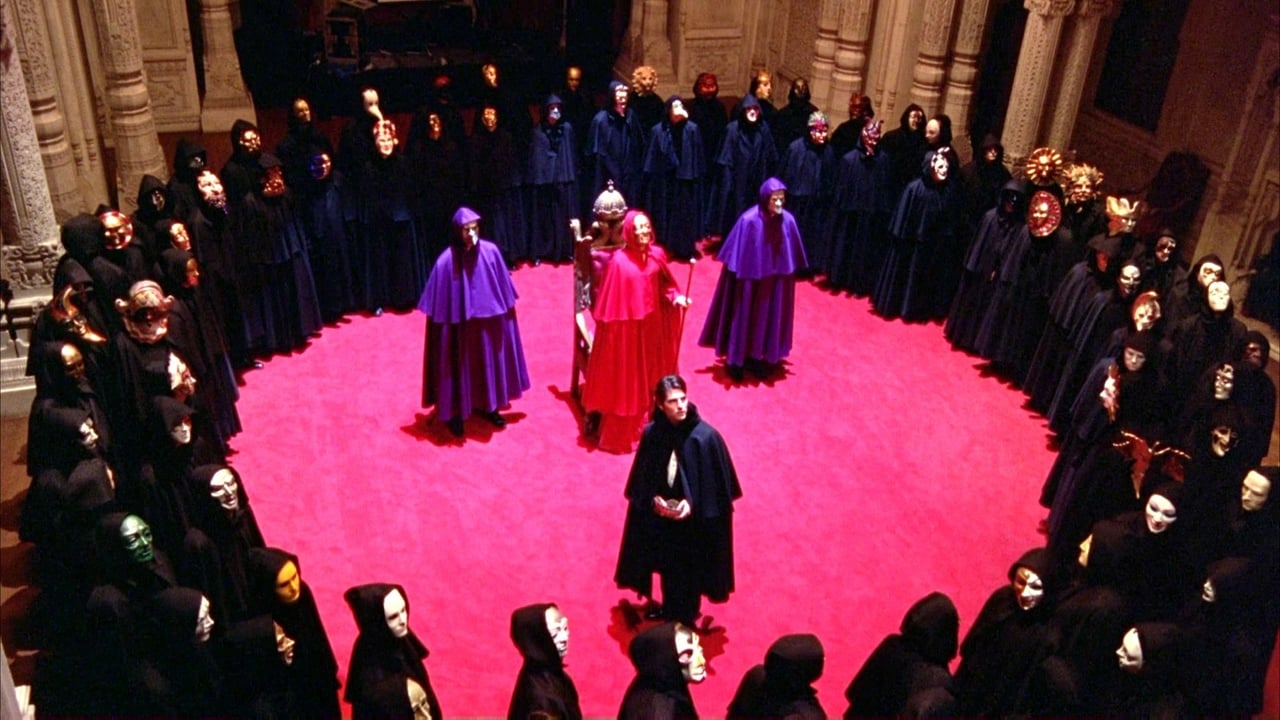
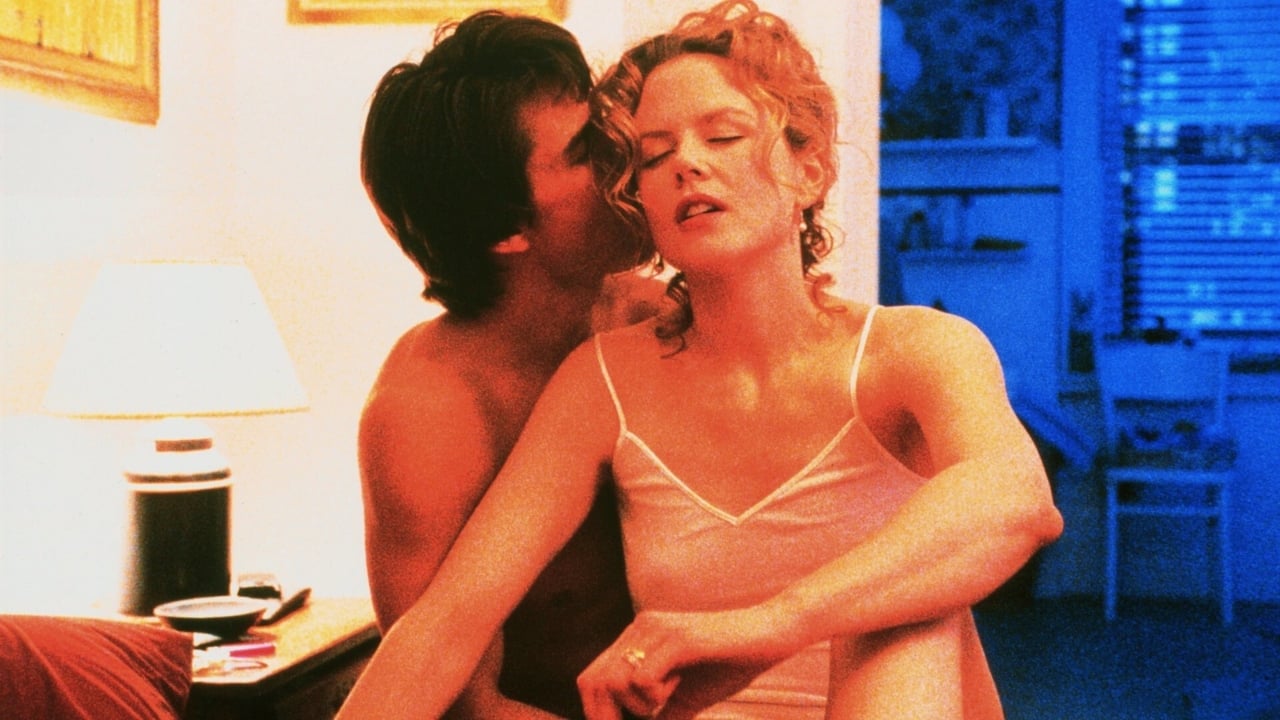
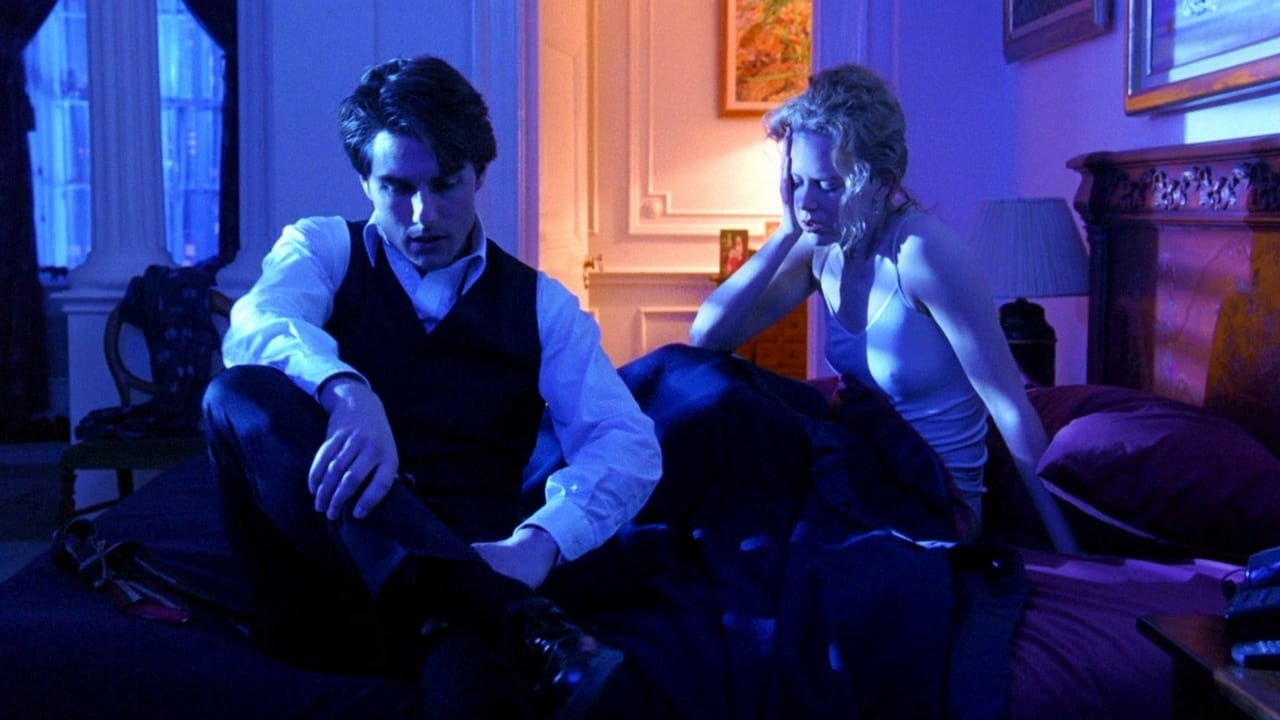
While the "ritual" scene in the mansion is the one that generated all the headlines and the "hard-R" rating, the most intense moments actually happen in a bedroom. The argument between Bill and Alice early in the film is arguably more harrowing than any of the secret society stuff. It captures the specific, jagged way a long-term couple can hurt each other when the masks come off.
For a parent watching this, the "if you liked X" comparison isn't another thriller—it’s more like a dark, distorted mirror of a domestic drama. It asks a very specific question: Is the thought of betrayal just as destructive as the act itself?
How to watch it
This is a "phone-away" movie. Because the pace is so deliberate and the visual details are so dense, you’ll lose the thread if you’re multitasking. It’s a film that has only gained more respect since 1999, moving from a "misunderstood scandal" to a "complex cinematic work" in the eyes of most critics.
Don't expect a neat resolution where every mystery is solved. Kubrick was more interested in the lingering feeling of unease than in giving you a clean ending. It’s the kind of film that sticks with you for days, making you look at your own life—and your own secrets—a little differently. Save it for a night when you have the mental bandwidth for something that is intentionally troubling.