Eville

Eville

game

2022, Role-playing (RPG), Strategy

WISE
62%

WISE Score

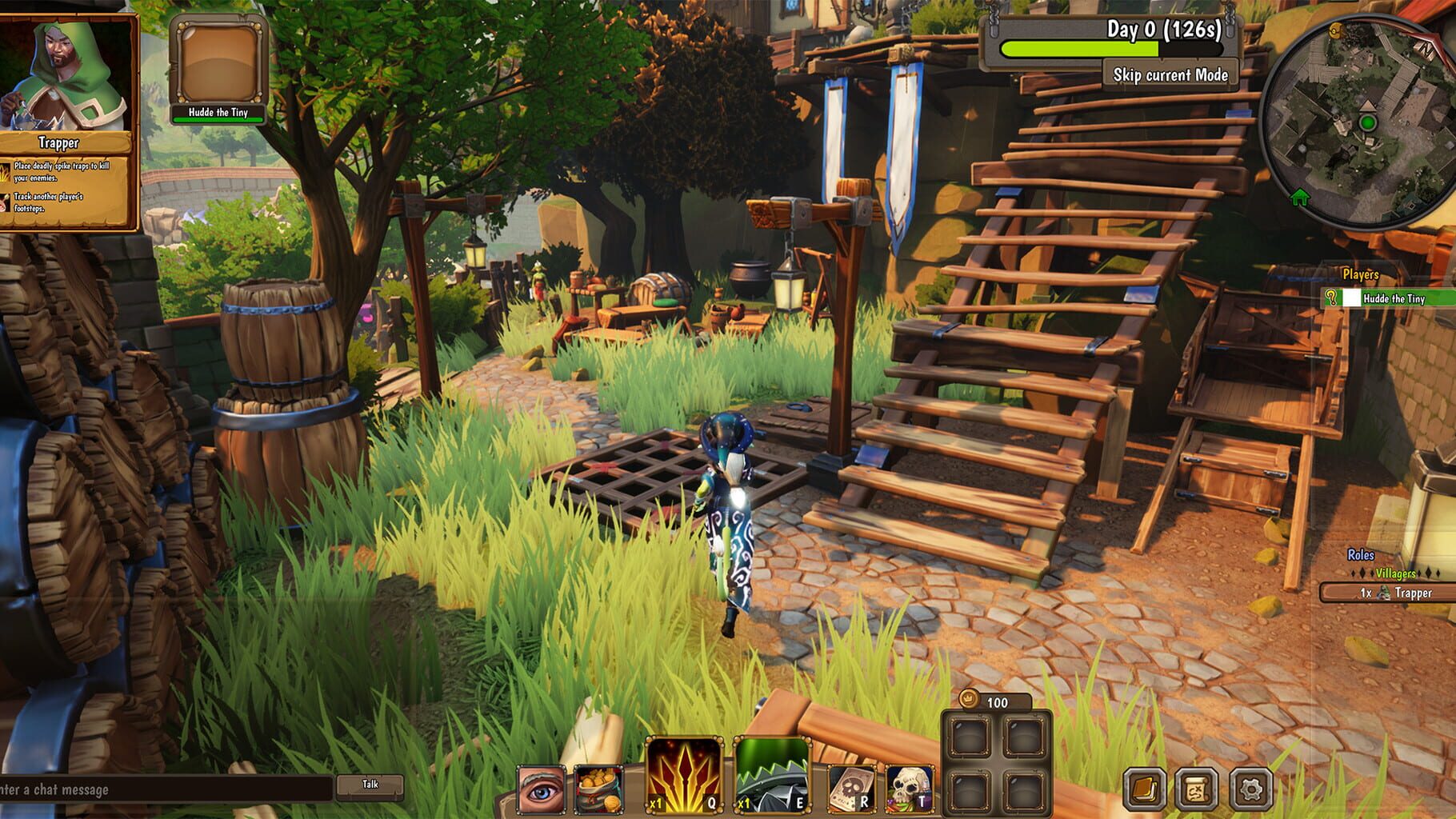
Medieval Werewolf meets Among Us—lie, deduce, and survive the night if you can handle the social pressure and online chaos.

Screenwise Verdict

Eville is Among Us with more complexity and a medieval coat of paint. If your kid loved Among Us and is ready for the next level, this delivers—unique roles, deeper strategy, and that same adrenaline rush of "who's lying?"

The good: no predatory monetization, genuinely teaches critical thinking and persuasion, and short sessions mean it's not a time sink. The tricky part: it's a game about lying and manipulation, which is fine for kids who understand the social contract of "this is pretend," but can feel icky or stressful for others. Add online chat with strangers and you've got the usual risks—profanity, accusations that get personal, and the occasional jerk who ruins the fun.

In a private lobby with friends or family? This is solid. With randoms online? Keep an ear out. It's not for everyone—if your kid melts down when falsely accused in Monopoly, this will be worse. But for the right temperament, it's a clever, strategic multiplayer experience that's relatively clean and genuinely skill-based.
Age Fit

Best for 10-14 year olds who already love Among Us or Werewolf-style games and can handle social pressure, deception mechanics, and the occasional toxic online player. Younger kids (8-9) might manage in supervised private lobbies with family, but the lying-as-gameplay can be emotionally tricky. Teens 15+ may find it a bit simplistic unless they're really into the genre.

WISE Breakdown
Wholesome
58

Social deduction games built on lying and deception are tricky territory. The core mechanic rewards manipulation and accusation—you're literally trying to convince others someone is a murderer or you're secretly killing villagers at night. The medieval fantasy wrapper softens it with cartoon violence, but the social dynamics can get tense, especially with strangers online. For mature 10+ kids who understand it's a game and can handle the pressure of being falsely accused or needing to deceive friends, it's fine. For younger or more sensitive kids, the lying-as-gameplay can feel uncomfortable or even upsetting.

Imaginative
72

The role-based gameplay adds genuine strategic depth beyond Among Us. Each character has unique abilities—seers, guards, conspirators—that create asymmetric problem-solving. Players must deduce patterns, read social cues, and adapt strategies based on their role. The medieval village setting is charming if not groundbreaking. It's more about creative social manipulation than world-building, but the variety of roles and emergent storytelling from each session (who betrayed whom, how the detective figured it out) keeps it fresh. Not a creativity sandbox, but it does demand lateral thinking.

Safe
62

ESRB E10+ for mild cartoon violence and fantasy themes is accurate—no gore, no graphic content. The big concern is online multiplayer with voice/text chat where profanity and toxic behavior can appear, especially when accusations fly. No in-game purchases or loot boxes is a huge plus. The game's structure (short rounds, clear win/loss) avoids compulsive loops. However, the social pressure and potential for being ganged up on or harassed by strangers knocks points off. In a private lobby with friends or family, safety jumps significantly. With randoms? Parent supervision recommended.

Enriching
65

Social deduction games teach critical thinking, pattern recognition, persuasion, and reading people—genuinely useful skills. Kids learn to construct arguments, evaluate evidence, and spot inconsistencies in others' stories. The downside: they're also learning to lie convincingly and manipulate group dynamics, which has mixed developmental value. It's not building LEGO or learning history, but it does exercise executive function and social reasoning. Entertainment value is high for the right crowd (10-14 year olds who love Among Us), but it's niche—if your kid doesn't enjoy social pressure or deception games, this will be miserable, not enriching.

Parent Info

Why It Might Be Great

  • Deeper strategy than Among Us with unique character abilities and roles that create asymmetric gameplay
  • Teaches critical thinking, persuasion, and reading social cues—kids learn to build arguments and spot inconsistencies
  • No in-game purchases, loot boxes, or predatory monetization—clean buy-once-play-forever model
  • Short rounds (not an infinite loop) make it easy to play a few games and walk away
  • Fun for families or friend groups who enjoy tabletop games like Werewolf or Mafia

What to Watch For

  • Online chat can include profanity and toxic behavior, especially when accusations get heated—private lobbies are safer
  • Core mechanic is lying and deception, which some kids find stressful or morally uncomfortable
  • Being falsely accused or voted out early can be frustrating for younger or sensitive players
  • Requires reading people and social awareness—may be overwhelming for kids who struggle with social dynamics

Conversation Starters

  • "How do you decide who to trust when everyone's trying to convince you they're innocent?"
  • "What's it like when you have to lie to your friends in the game? Does it feel different than lying in real life?"
  • "Have you ever been voted out even though you were innocent? How did that feel?"
  • "What clues do you look for to figure out who the conspirator is?"
  • "Do you think games like this make you better at spotting when someone's not telling the truth?"

Ask Anything

Get a personalized guide on any topic