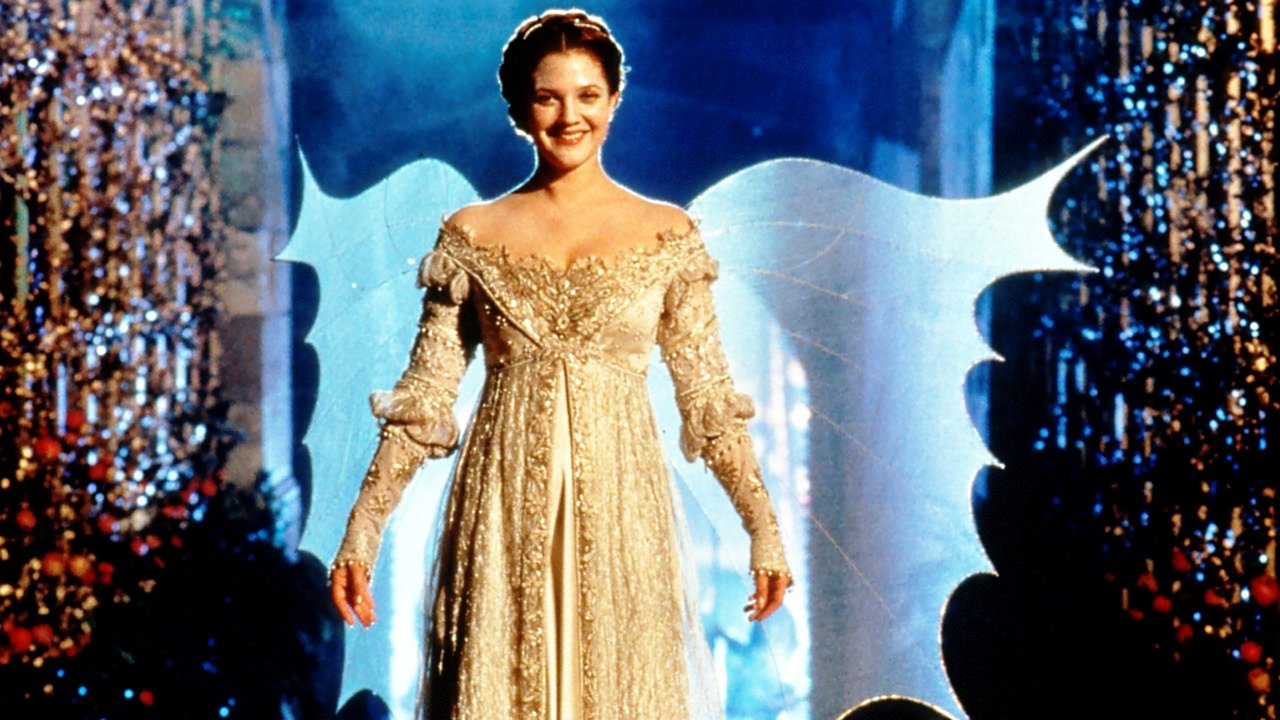
The Anti-Disney Fairy Tale
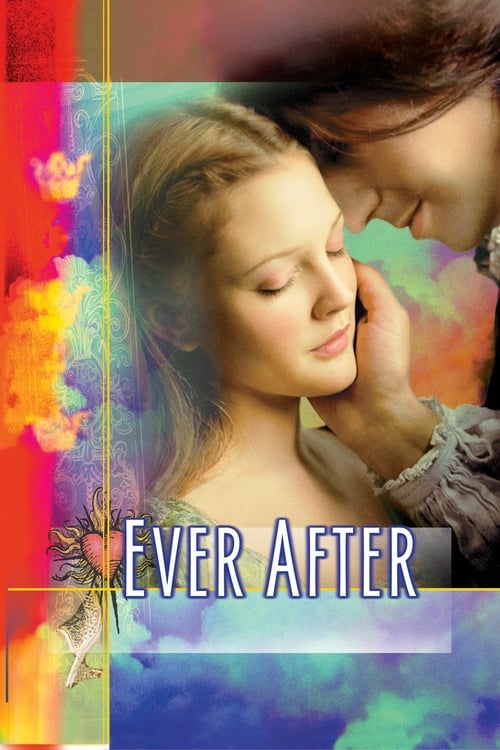
In 1998, we weren't yet drowning in 'gritty' reboots of classic fairy tales. Ever After arrived as a breath of fresh air because it didn't try to be dark; it just tried to be human. By setting the story in 16th-century France, the film swaps magic for the Renaissance—a time of intellectual awakening that mirrors Danielle’s own journey.
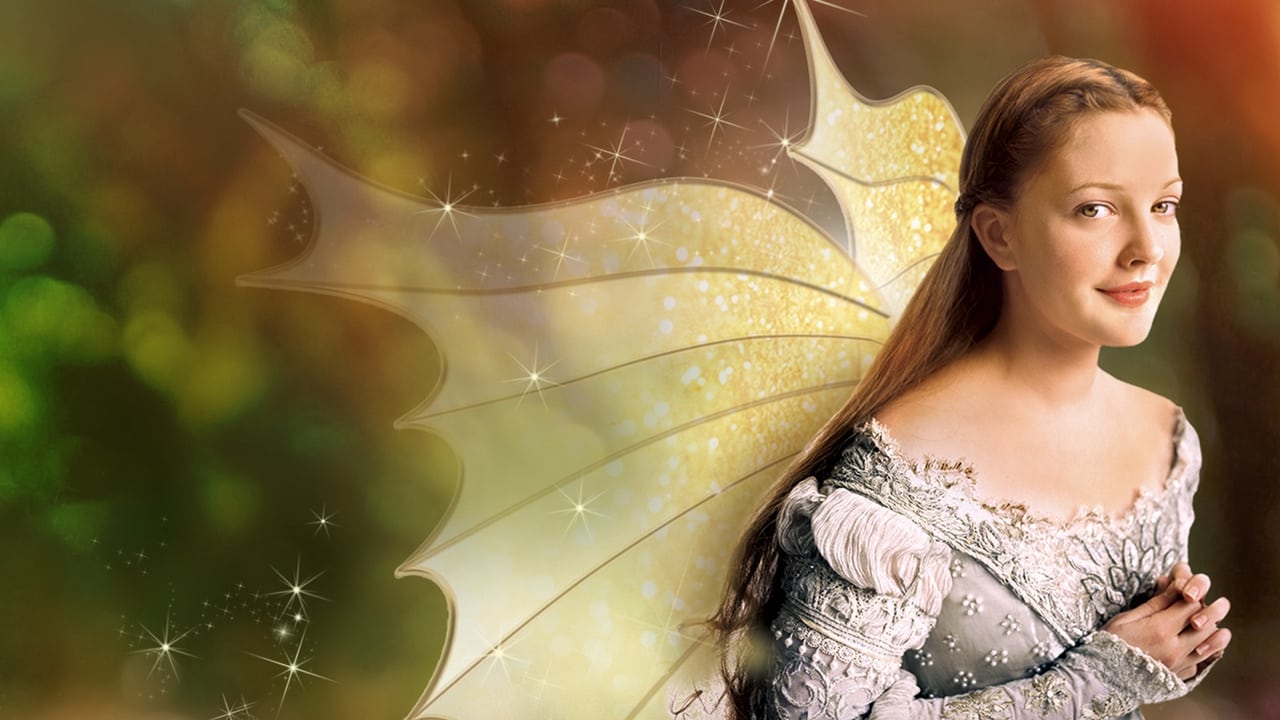
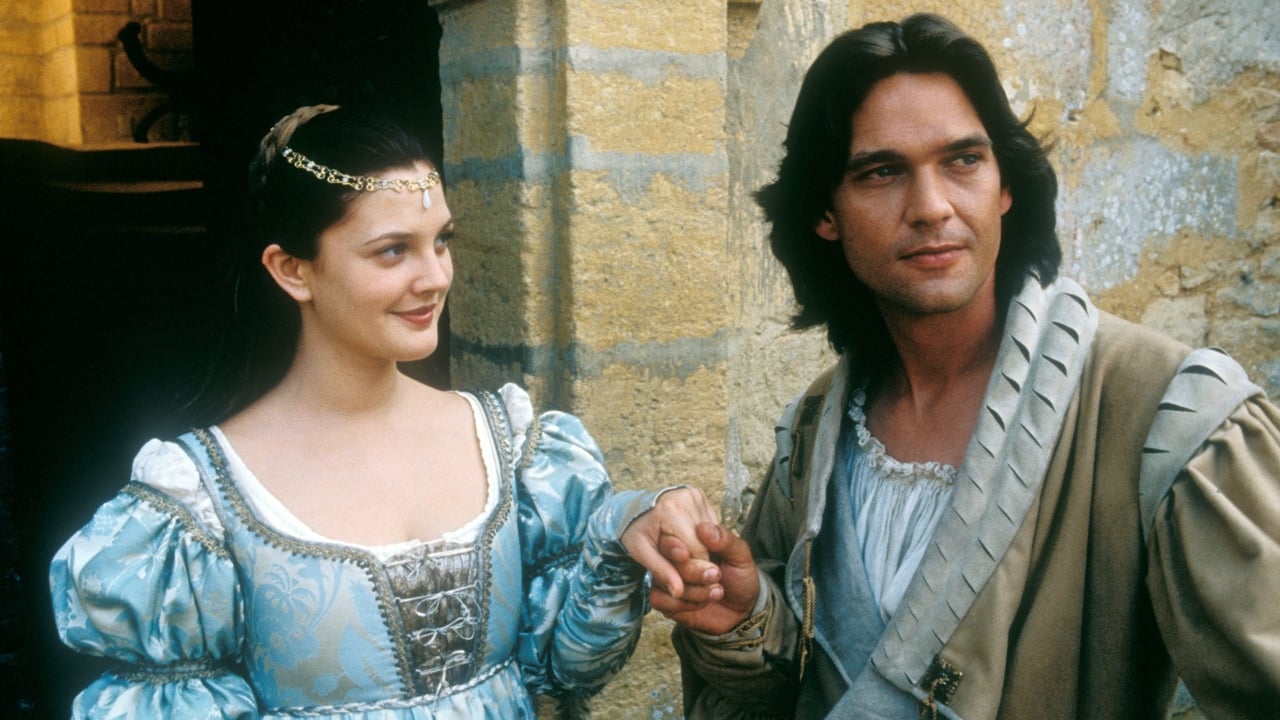
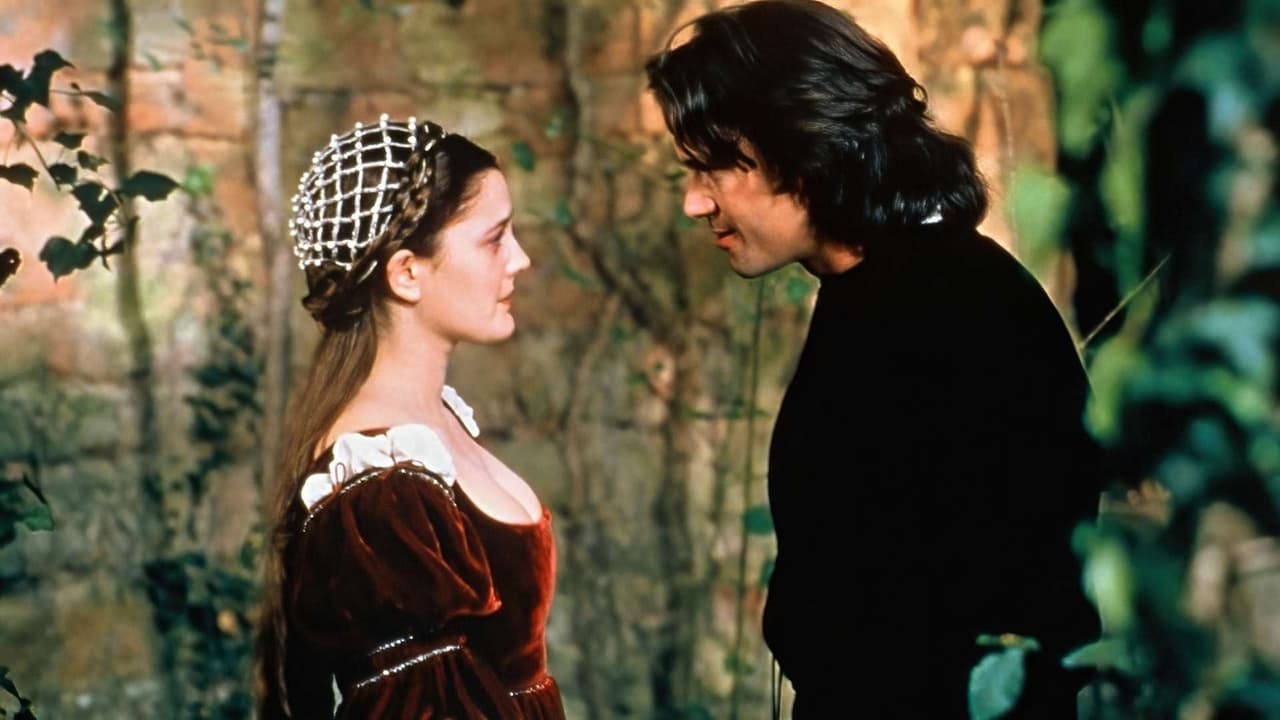
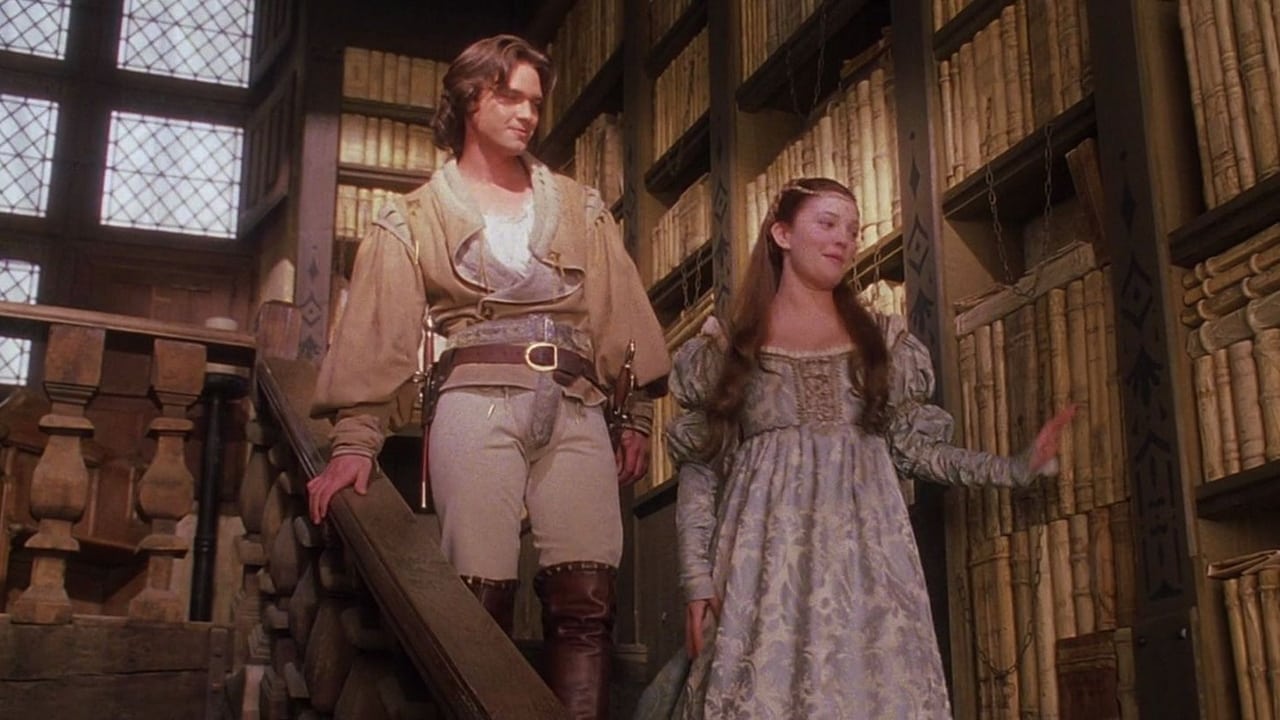
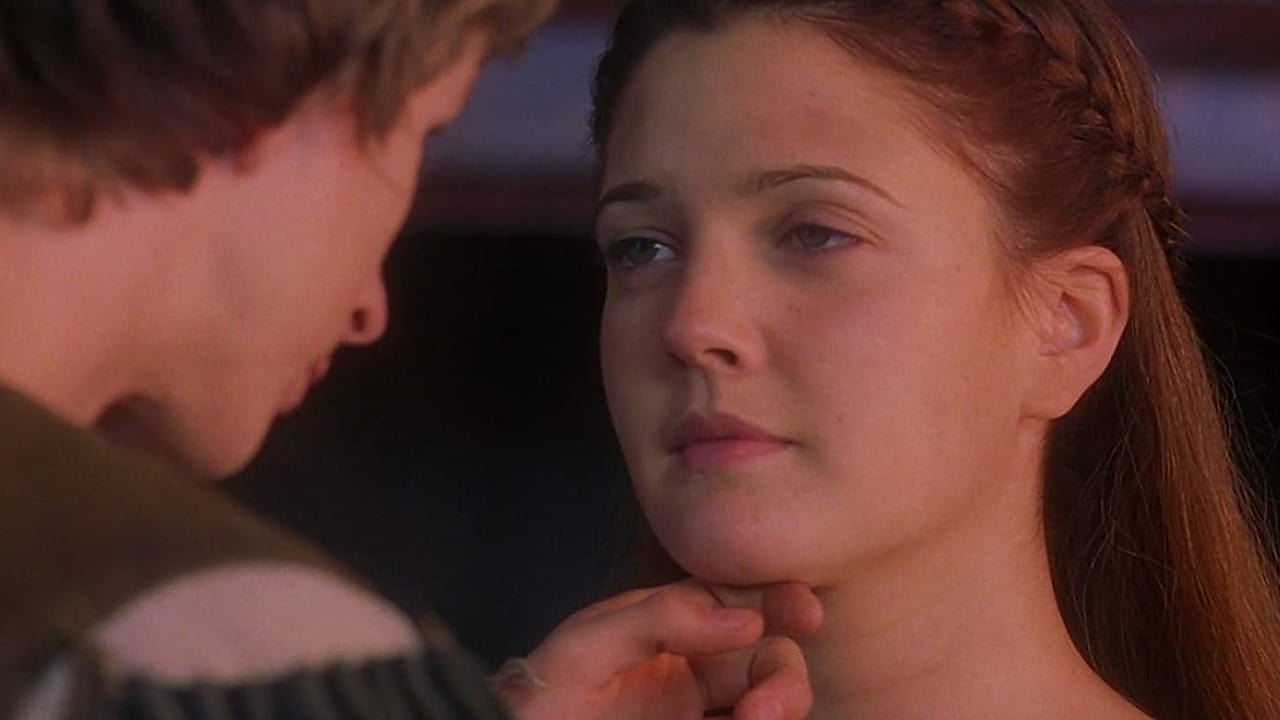
Drew Barrymore’s Danielle isn't just 'strong' in the modern, superficial way. She’s well-read, physically capable, and morally consistent. When she encounters Prince Henry (played with a delightful 'bratty-to-noble' arc by Dougray Scott), she doesn't swoon; she challenges his world-view. This is a movie where the romantic leads fall in love because they talk to each other about things that matter.
"A bird may love a fish, signore, but where would they live?"
That line from the film captures the grounded stakes. The obstacles aren't dragons; they are class structures and social expectations. For parents, this is a goldmine for discussing history and ethics. For kids, it's just a great story with a satisfying ending that feels earned rather than gifted by a fairy godmother.
If your kid has outgrown the animated musicals but still loves a good 'once upon a time,' this is the perfect bridge. It’s sophisticated enough to keep an adult’s attention while remaining firmly in the realm of a family-friendly epic.