The procedural that started it all
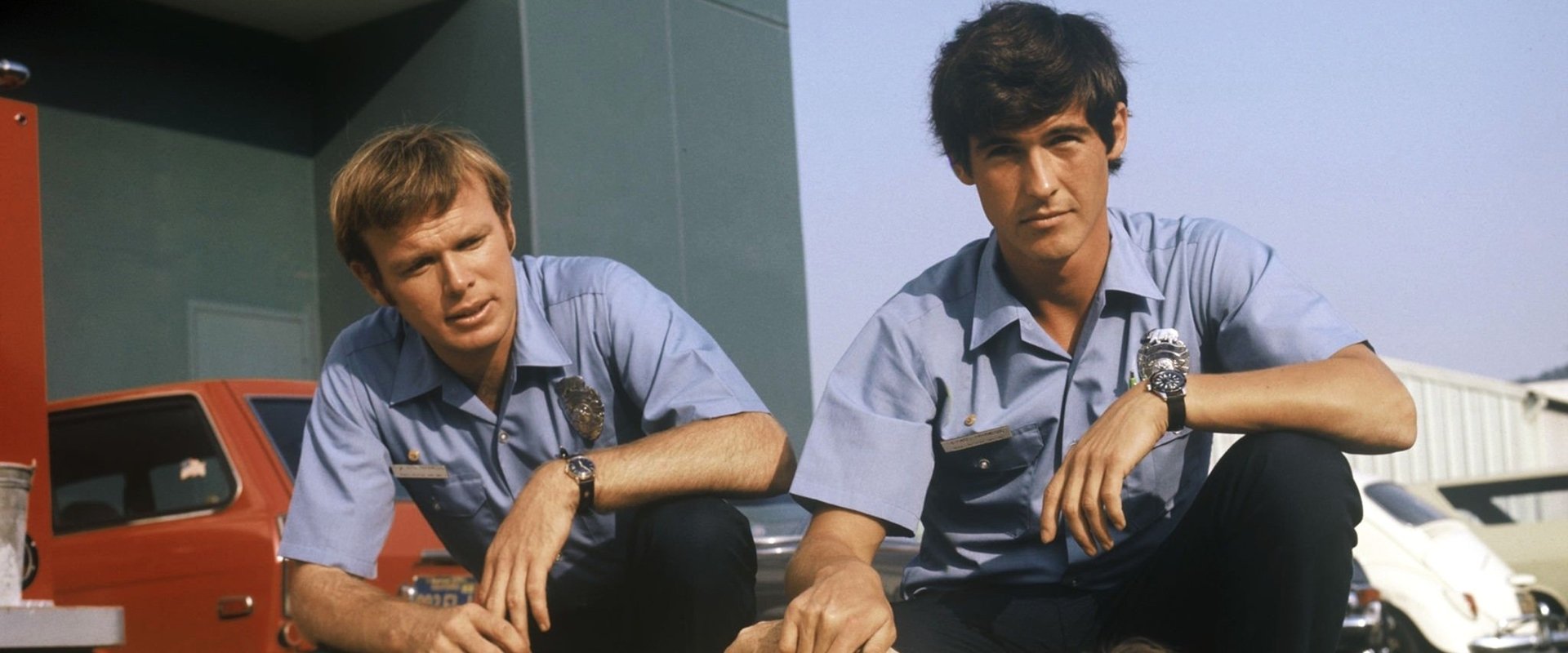
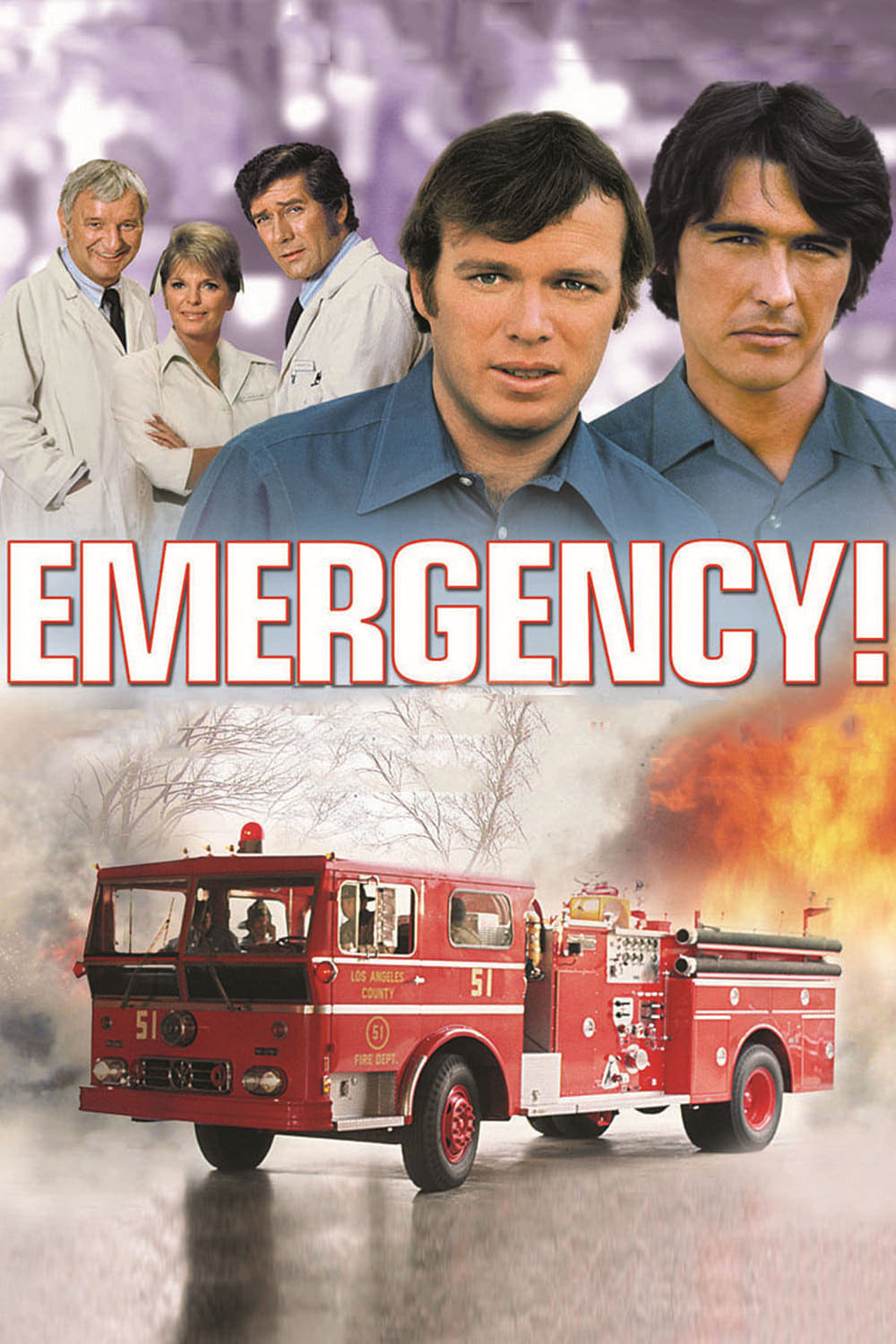
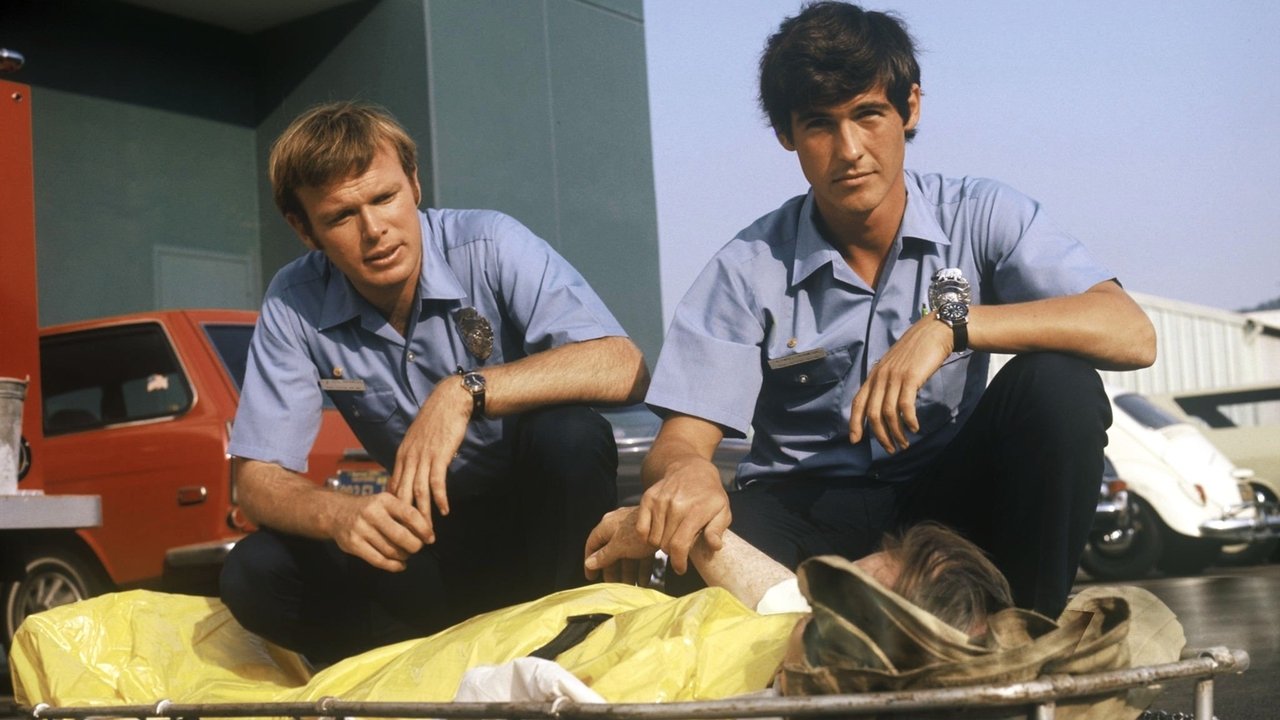
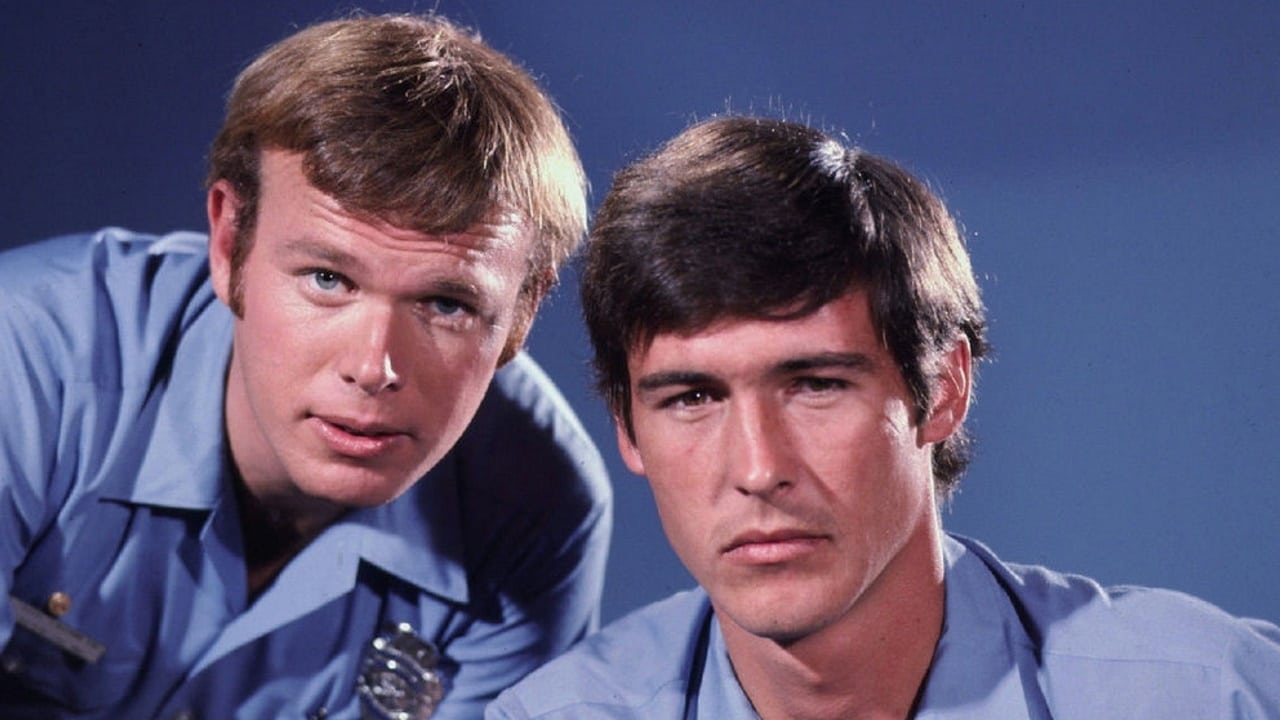
If you grew up watching this, the sound of the tones and the "KMG-365" radio sign-off are probably baked into your DNA. For a modern kid, Emergency! is a fascinating look at a world that functioned entirely without screens. There are no GPS maps, no smartphones, and no high-tech scanners. Instead, you get Roy and John staring intensely at a biophone—which looks like a suitcase from a spy movie—trying to transmit a heart rhythm to the doctors at Rampart.
This isn't a show about "action" in the way we think of it now. There are no choreographed fight scenes or city-leveling explosions. It is a show about logistics. If your kid is the type who wants to know exactly how a pulley works or why a certain wrench is used for a specific bolt, they will be mesmerized. The show treats the act of stabilizing a broken leg with the same narrative weight that a Marvel movie treats saving the universe.
The Paw Patrol graduation
Think of this as the logical next step for the kid who has finally outgrown the primary colors of Paw Patrol or Fireman Sam. Those shows are about "saving the day" through teamwork, but they’re abstract. Emergency! is the gritty, analog reality. It moves the stakes from "Mayor Goodway is in trouble again" to "a guy got his arm stuck in a printing press."
It’s surprisingly effective at showing how a community actually functions. You see the handoff from the paramedics to the nurses, the consultation with the doctors, and the debrief back at Station 51. For a child trying to map out how the adult world operates, this provides a incredibly clear, albeit vintage, blueprint.
Why the slow pace is a feature
Modern kids’ programming is often a frantic assault on the senses. Emergency! is the antidote. A single rescue might take ten minutes of screen time, much of which is just the characters talking through their process or waiting for a signal to clear.
This creates a different kind of tension. It builds patience. You aren't waiting for a jump scare; you’re waiting for the EKG to stabilize. We found that this makes it excellent "sick day" or "wind-down" television. It’s engaging enough to keep them off their tablets but quiet enough that it won't overstimulate a kid who is already tired or wired.
Navigating the 1970s of it all
You have to be prepared for the visual brown-ness of 1972. Everything is wood paneling, orange upholstery, and sideburns. Beyond the aesthetic, the social dynamics are exactly what you’d expect from a show produced over fifty years ago. The men do the heavy lifting and the women—mostly at Rampart Hospital—handle the coordination and bedside care.
It isn't malicious, but it is constant. If you have a daughter who wants to be a first responder, you might want to point out that while the show only features male paramedics, that’s just a reflection of the time it was filmed, not a rule for how things work now.
The medical advice is also a time capsule. They’re using techniques and tools that have been replaced three times over by now. It’s worth a quick mention that while the bravery is real, the medicine is history. If they get interested in the first-aid aspect, grab a modern manual to show them how much better we’ve gotten at it since John and Roy were on the air.