The Steven Conrad rhythm
If you’ve seen Patriot or Perpetual Grace, LTD, you know that Steven Conrad doesn’t write standard television. He writes rhythmic, slightly surreal, and deeply melancholic scripts where characters repeat themselves and pause in ways that feel both poetic and incredibly awkward. DTF St. Louis carries that same DNA. It’s not a fast-paced thriller, even though the plot involves a death. It’s a vibe piece.
The show moves at the speed of a humid St. Louis afternoon. It’s more interested in the specific way a character eats toasted ravioli or the soul-crushing routine of a local television newsroom than it is in traditional "whodunnit" mechanics. If you’re expecting the high-octane tension of a typical crime drama, you might find the pacing frustrating. But if you appreciate a show that lets a scene breathe until it gets uncomfortable, this is top-tier.
The "Likeable People Doing Terrible Things" trope
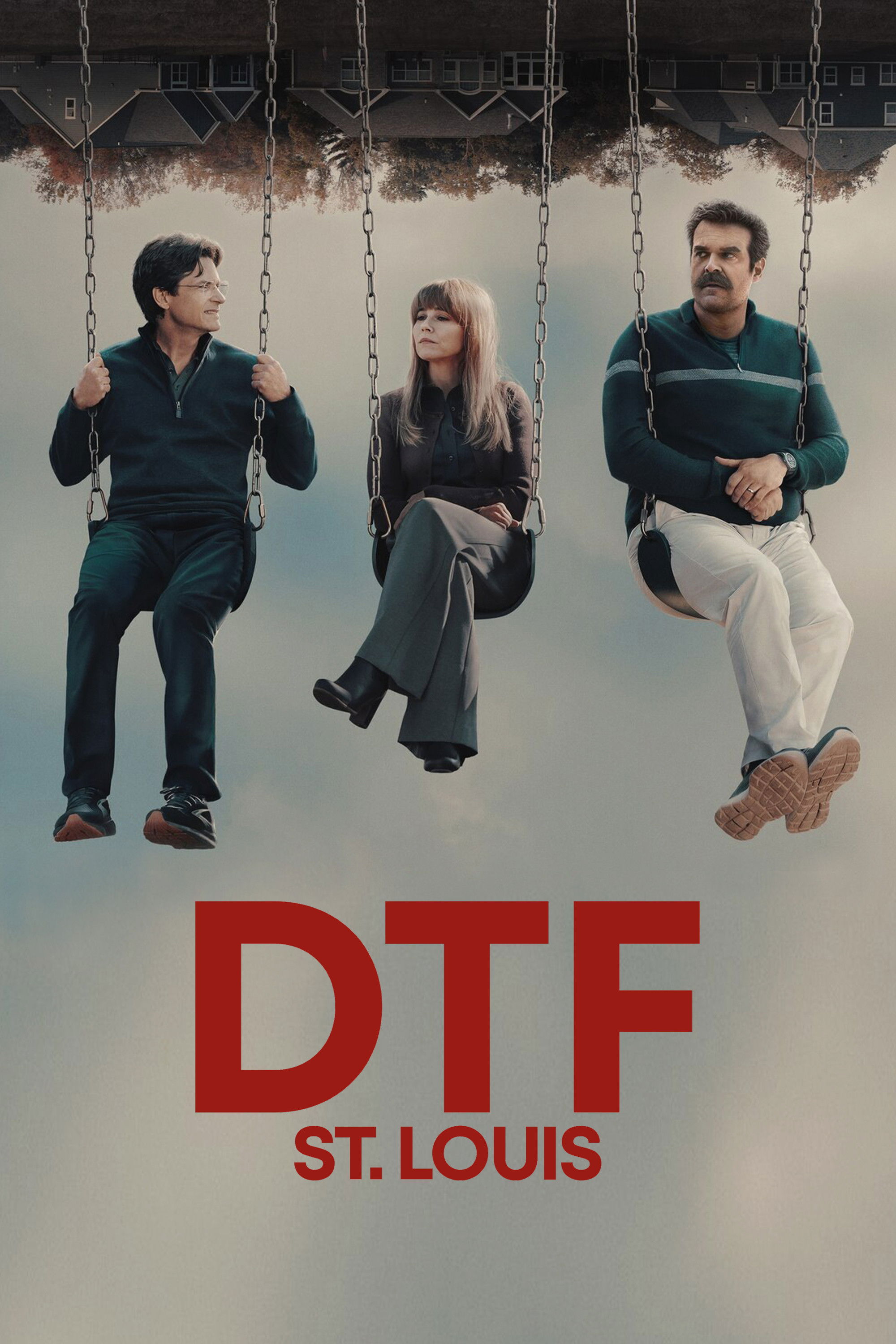
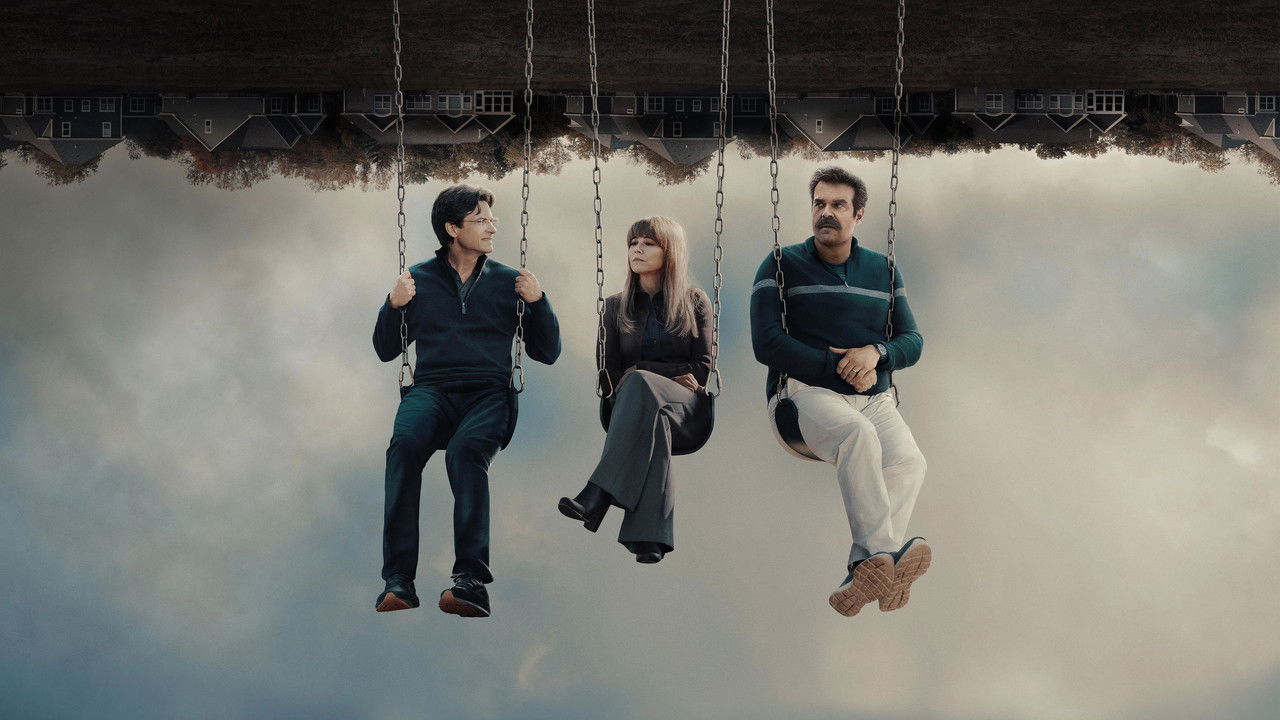
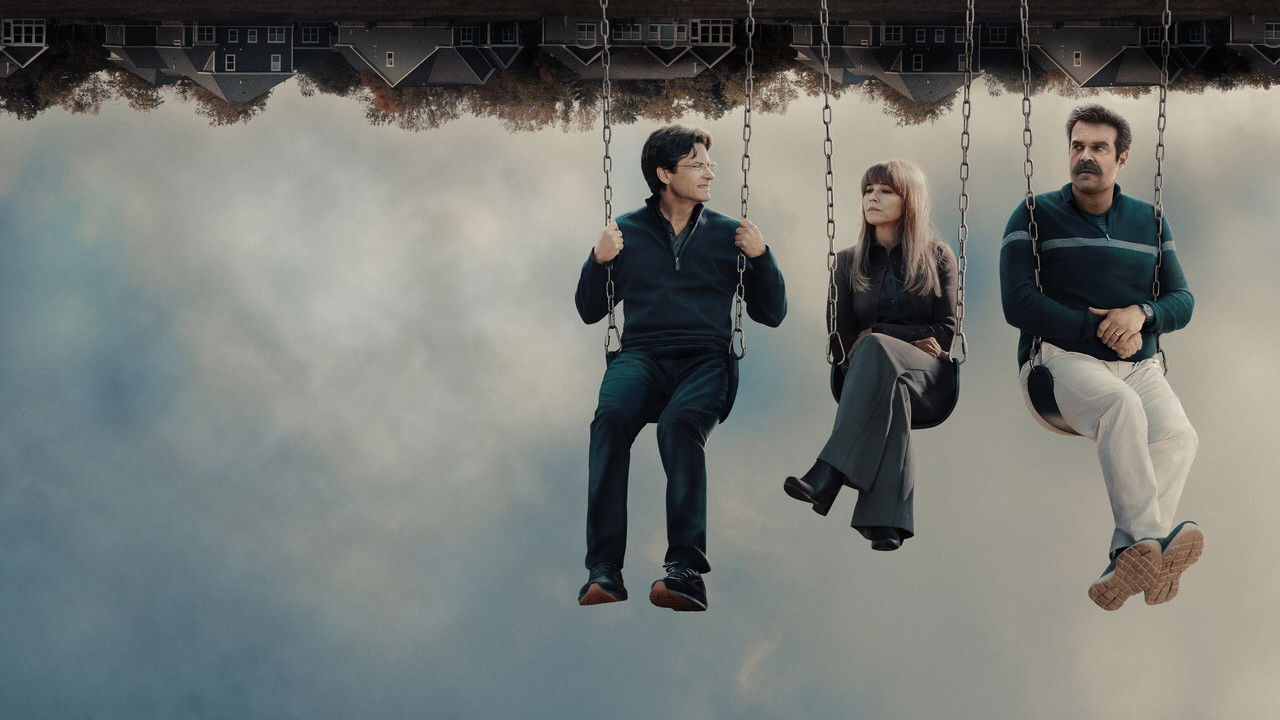
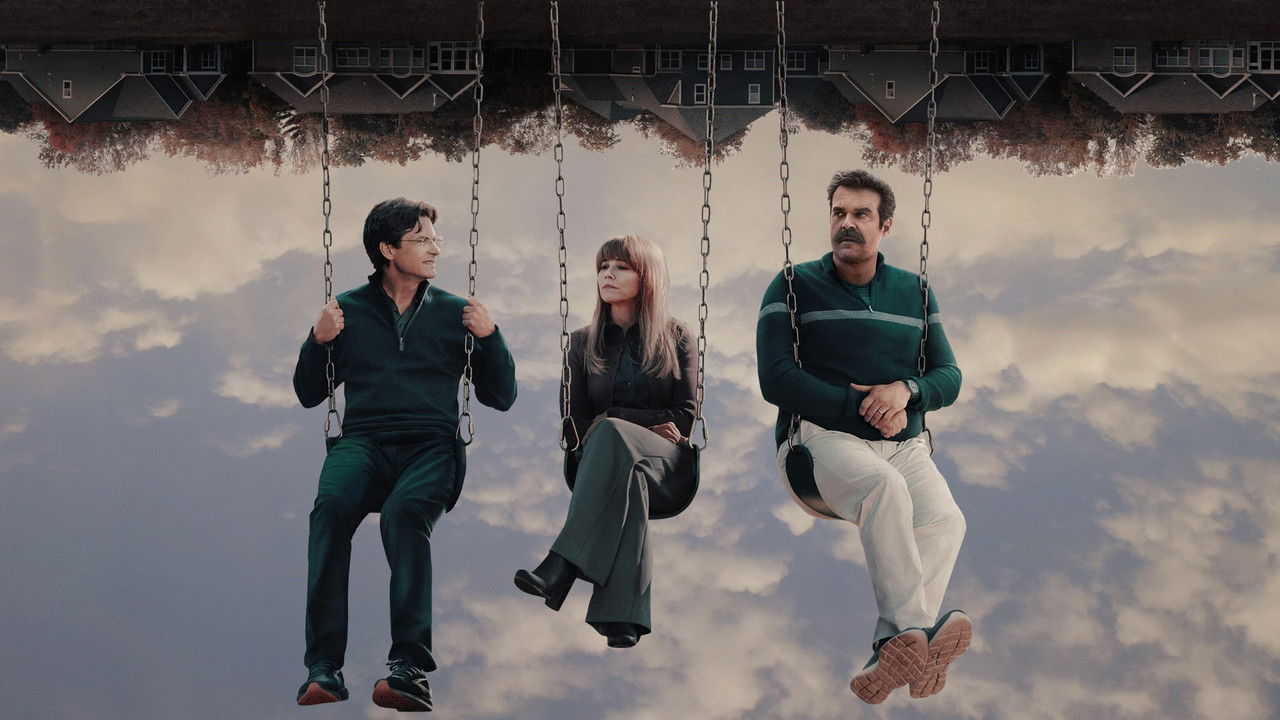
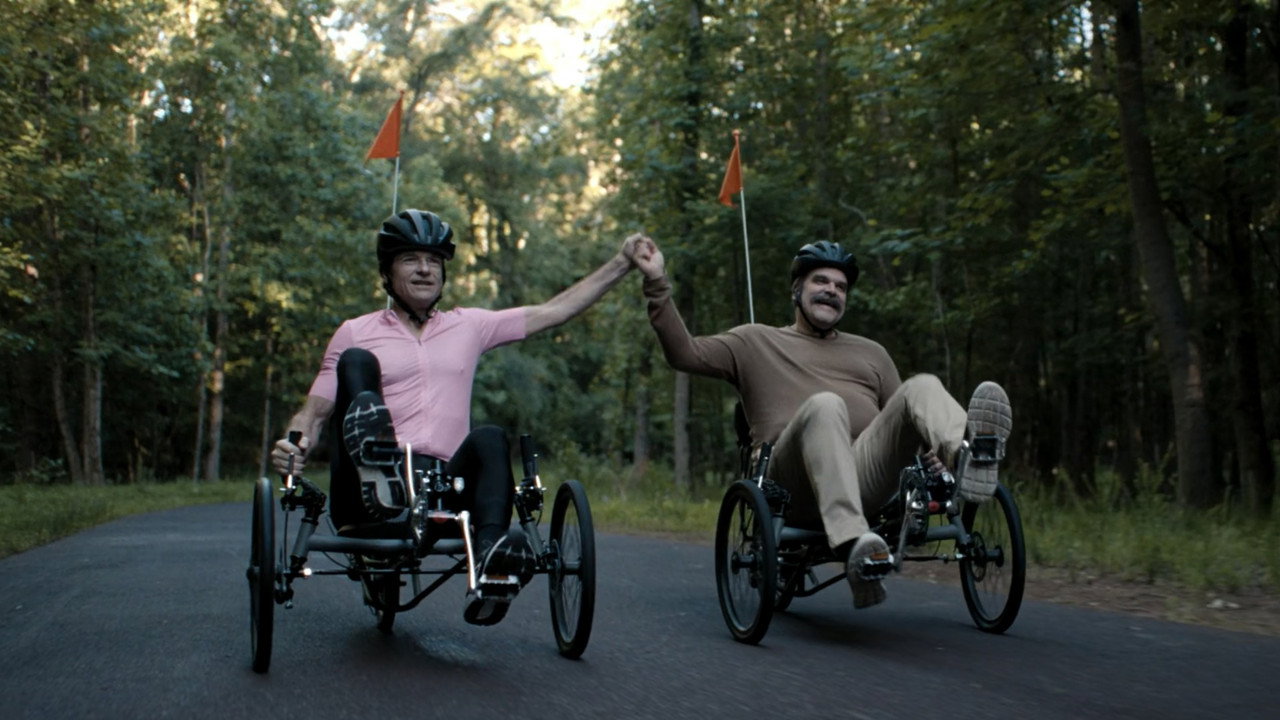
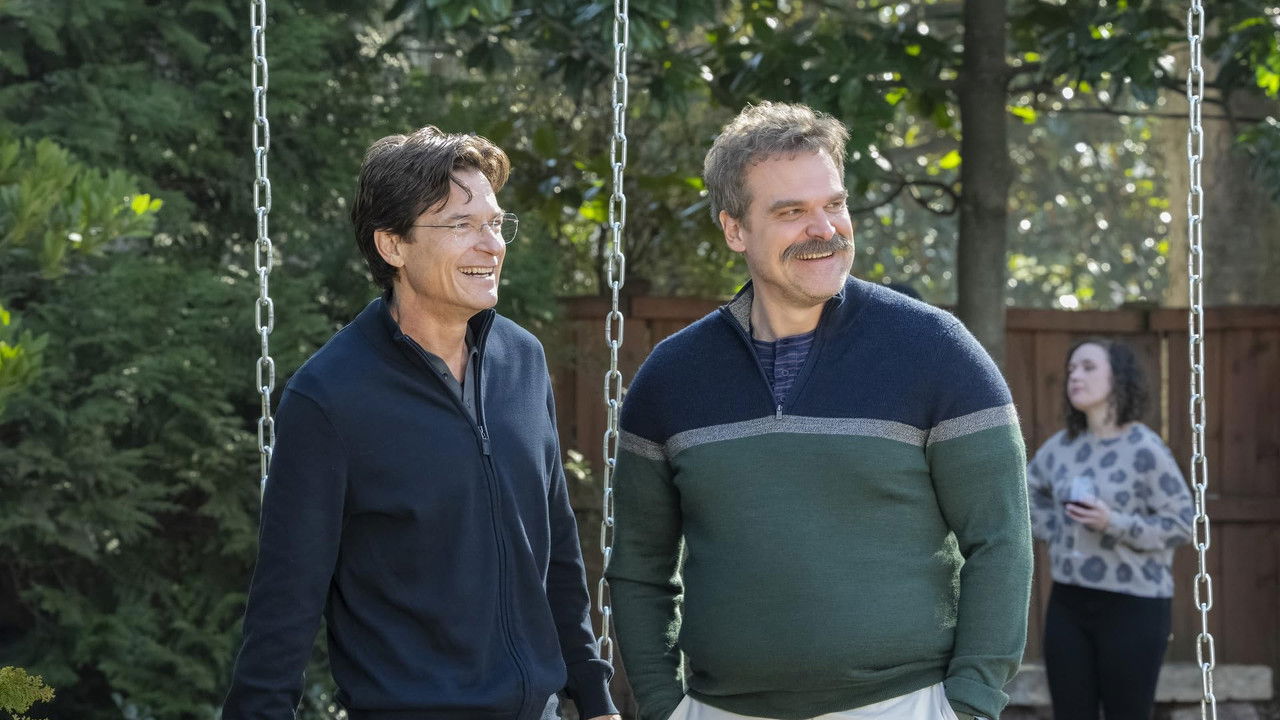
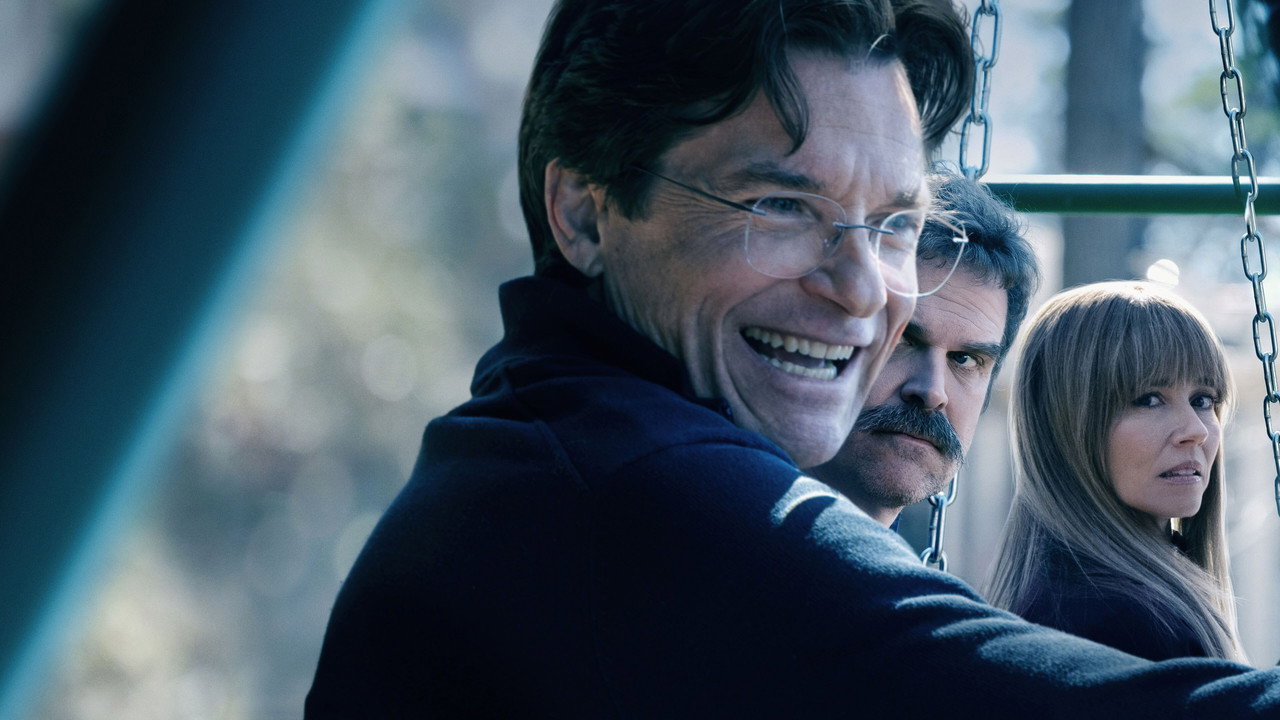
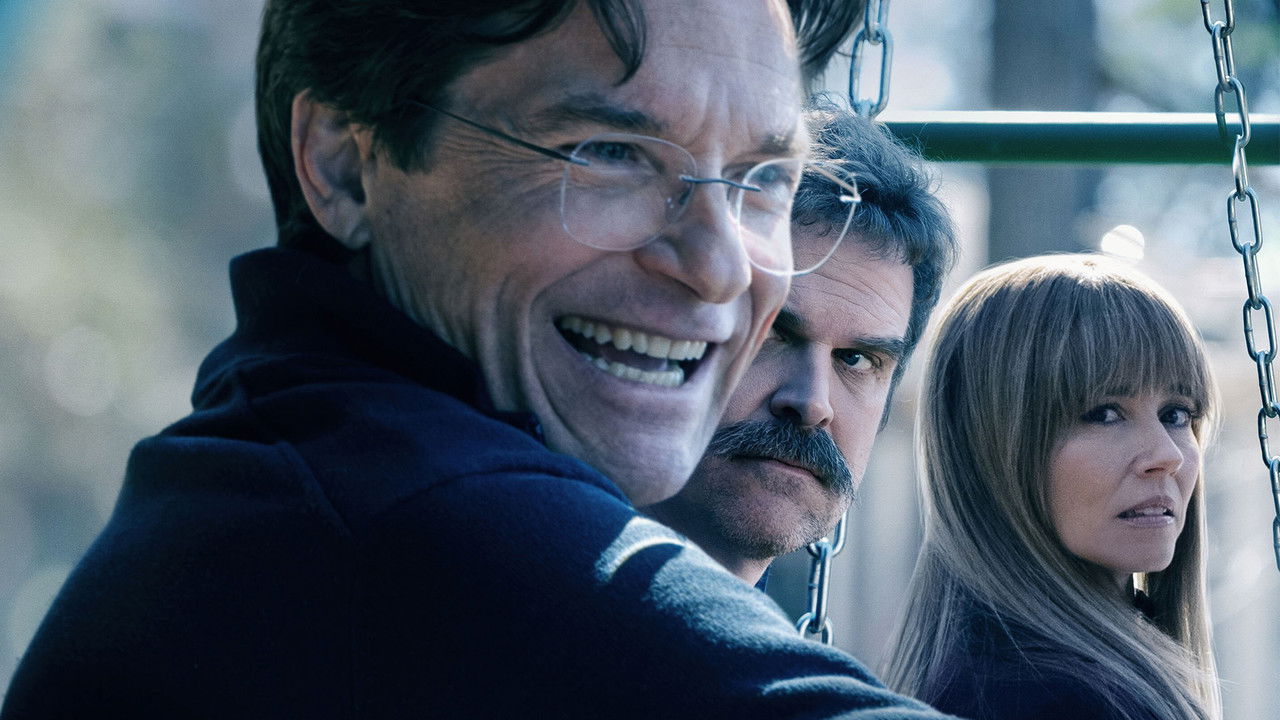
The casting here is a deliberate trap. Jason Bateman, David Harbour, and Linda Cardellini are the reigning monarchs of "the person you’d want to grab a beer with." Seeing them descend into a messy, lethal love triangle is visceral because we’re conditioned to root for them.
Harbour brings a certain wounded-animal energy that contrasts perfectly with Bateman’s signature deadpan delivery. Meanwhile, Cardellini manages to make middle-age malaise feel like a high-stakes tragedy. They aren't playing villains; they’re playing people who are bored, and the show argues that boredom is often more dangerous than malice.
If you’re trying to figure out where this fits in the Bateman canon, you should look at The Jason Bateman Streaming Guide: From Zootopia to Ozark. It helps distinguish between his "cool dad" roles and this specific brand of suburban decay.
A specific kind of Midwest misery
The title is blunt, but the show is surprisingly nuanced about its setting. St. Louis isn't just a backdrop; it’s a character. The show captures the claustrophobia of being a "big fish in a small pond," specifically through the lens of the local media personalities. There is a palpable sense of "is this all there is?" that permeates every frame.
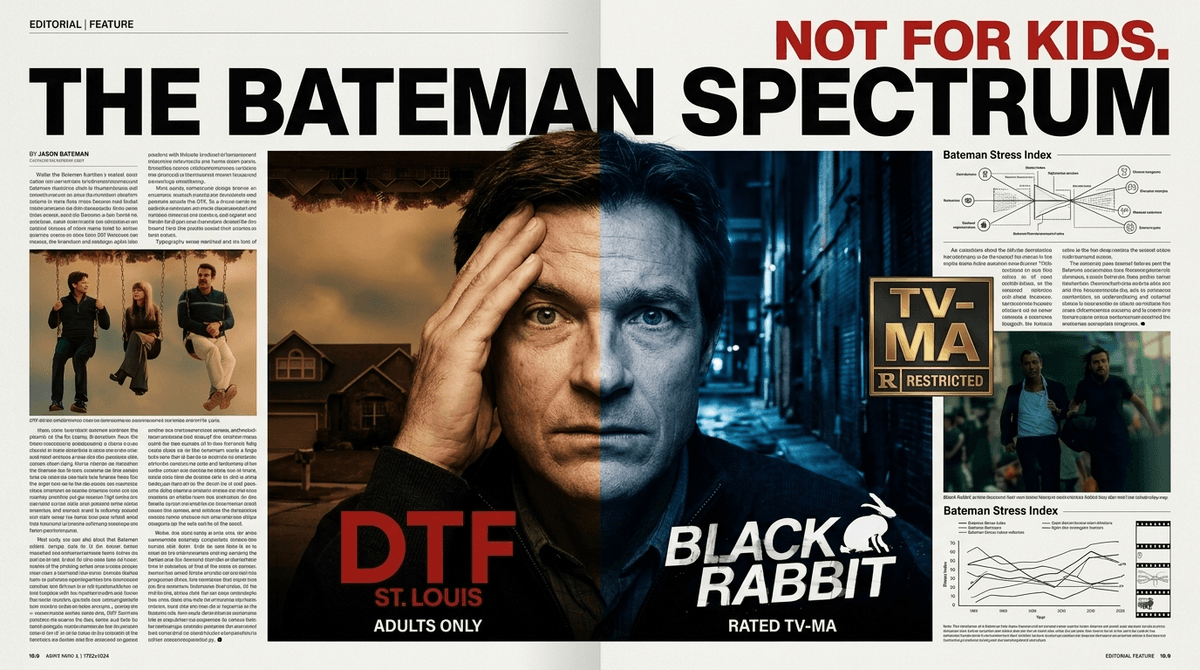
This isn't a show to watch with the family. The "DTF" in the title is a clear signal that the content is aimed squarely at adults who want to see the messier side of relationships. For a deeper breakdown of why this and his other recent projects are strictly for the 17+ crowd, check out Jason Bateman’s New Series: A Parent’s Guide to 'DTF St. Louis' and 'Black Rabbit'.
If your kid liked Stranger Things or Ozark
Don't be fooled by the stars. Just because David Harbour is in it doesn't mean it has Stranger Things energy, and just because Jason Bateman is in it doesn't mean it’s the next Ozark. Those shows have clear stakes and recognizable genre beats. DTF St. Louis is more of a character study that happens to have a body count. It’s funnier than Ozark but in a way that makes you feel slightly bad for laughing. It’s a "watch after the house is quiet" show that will probably leave you staring at the ceiling for twenty minutes before you can actually go to sleep.