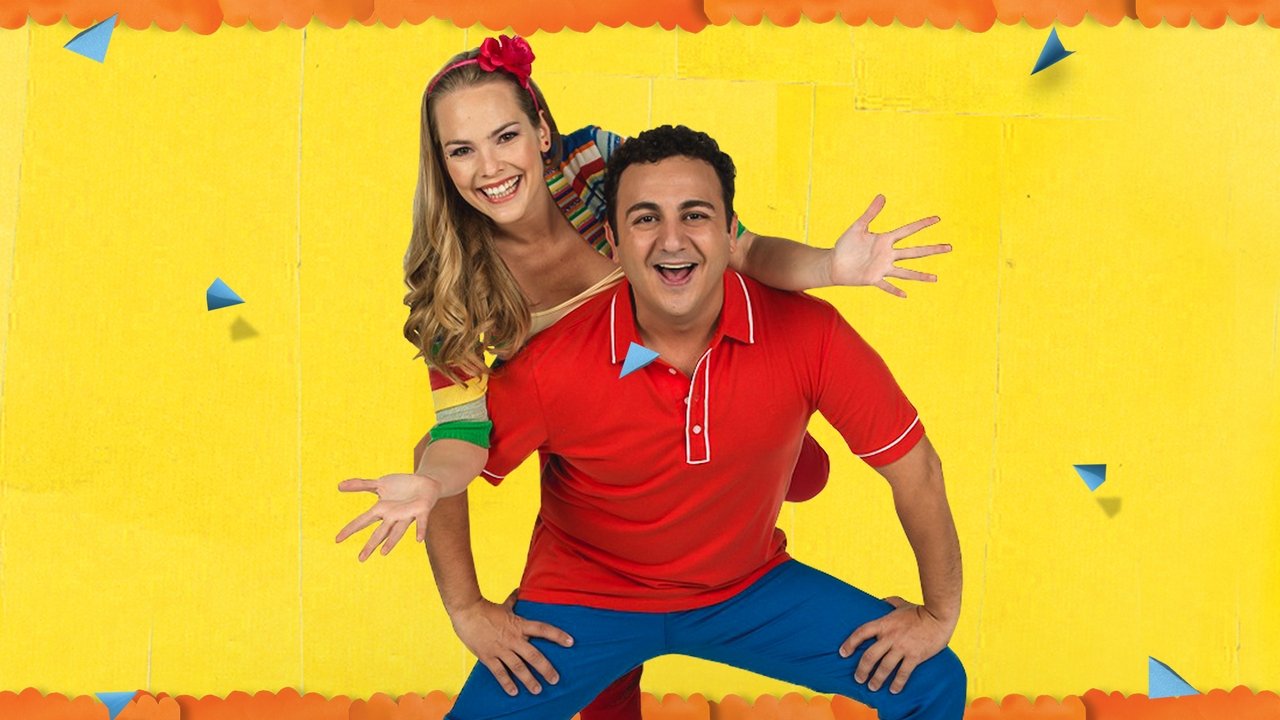
If you’ve ever felt the soul-crushing weight of an uncurated YouTube algorithm suggesting a 10-minute video of a giant hand unboxing plastic eggs, you understand why Disney Junior exists. It is the antidote to the weirdness of the internet. Since its 2011 rebrand, the network has functioned as a high-walled garden where the "scary" stuff is filtered out before it even reaches the writers' room.
The Curated Garden vs. The Wild West
The biggest reason to lean into this ecosystem is the sheer predictability. While other platforms might surprise your toddler with a sudden tonal shift or a loud, jarring ad, Disney Junior shows are built on a rigid template. Whether it’s the modern, vibrant world of Ariel or the logic-based puzzles of Mickey Mouse Clubhouse, the pacing is designed specifically for preschool brains.
It’s worth noting the 7.3 score on TMDB—that’s a solid "B" in the world of kids' media. It’s high enough to signal quality production, but it reflects that this isn't necessarily "prestige" TV that adults will enjoy on their own. Unlike Bluey, which often speaks directly to the parent’s experience, Disney Junior is unapologetically for the kids. It’s mid-tier art but top-tier sanity preservation.
The Logic of the "Pause"
We need to talk about the "shout at the screen" mechanic. It started heavily with the 2011-era shows and has lingered in various forms. While it can feel repetitive to an adult in the next room, it serves a specific purpose: it turns passive viewing into a performance.
If your kid is used to the frantic, high-speed cuts of "toy-vlog" YouTube, they might initially find the slower pace of these shows boring. Stick with it. The deliberate pauses and the way characters wait for a response are meant to mimic a conversation. It’s a low-stakes way to build confidence in problem-solving. If they can tell Mickey which "Mouskatool" to use, they’re practicing the basic logic of matching tools to tasks.
The Merch-to-Screen Pipeline
Let’s be real: Disney Junior is the world’s most effective catalog. Shows like Doc McStuffins or Spidey and His Amazing Friends are masterclasses in character design that translates perfectly to a toy aisle.
You aren't just buying a show; you are likely inviting a fleet of plastic figurines into your living room. Critics and parent reviews on Common Sense Media often point out this heavy commercialization. If you’re trying to run a "low-stuff" household, be warned that these shows are designed to make your child form deep emotional bonds with things you can eventually buy at a big-box store.
When to Move On
There is a very specific "expiration date" for this content. The moment your child starts asking for "big kid" shows or finds the lesson-of-the-day too obvious, the magic evaporates instantly.
If they’ve moved past the "teaching" phase and want more complex storytelling, they’ve outgrown the brand. But for that sweet spot between ages two and five, it remains the most reliable tool in the parenting kit for when you just need fifteen minutes to drink a coffee while it’s still hot.