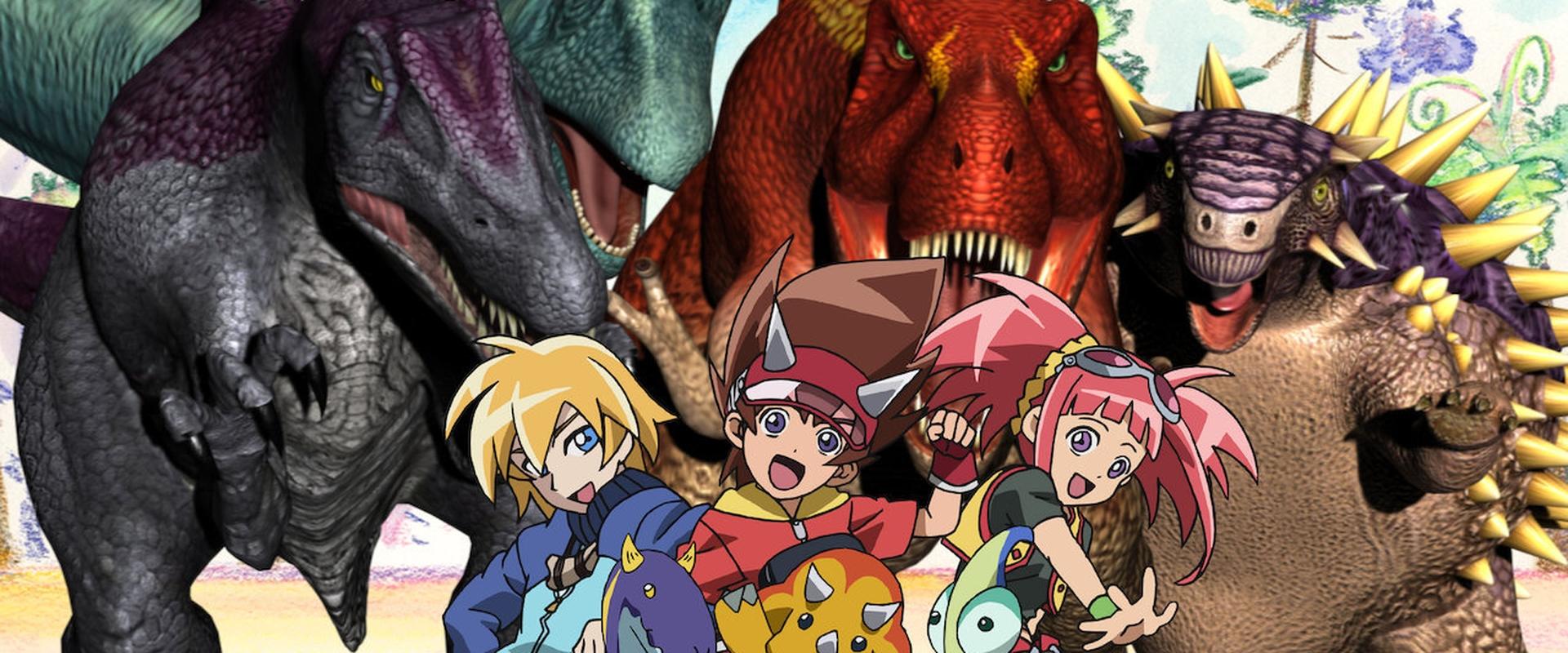
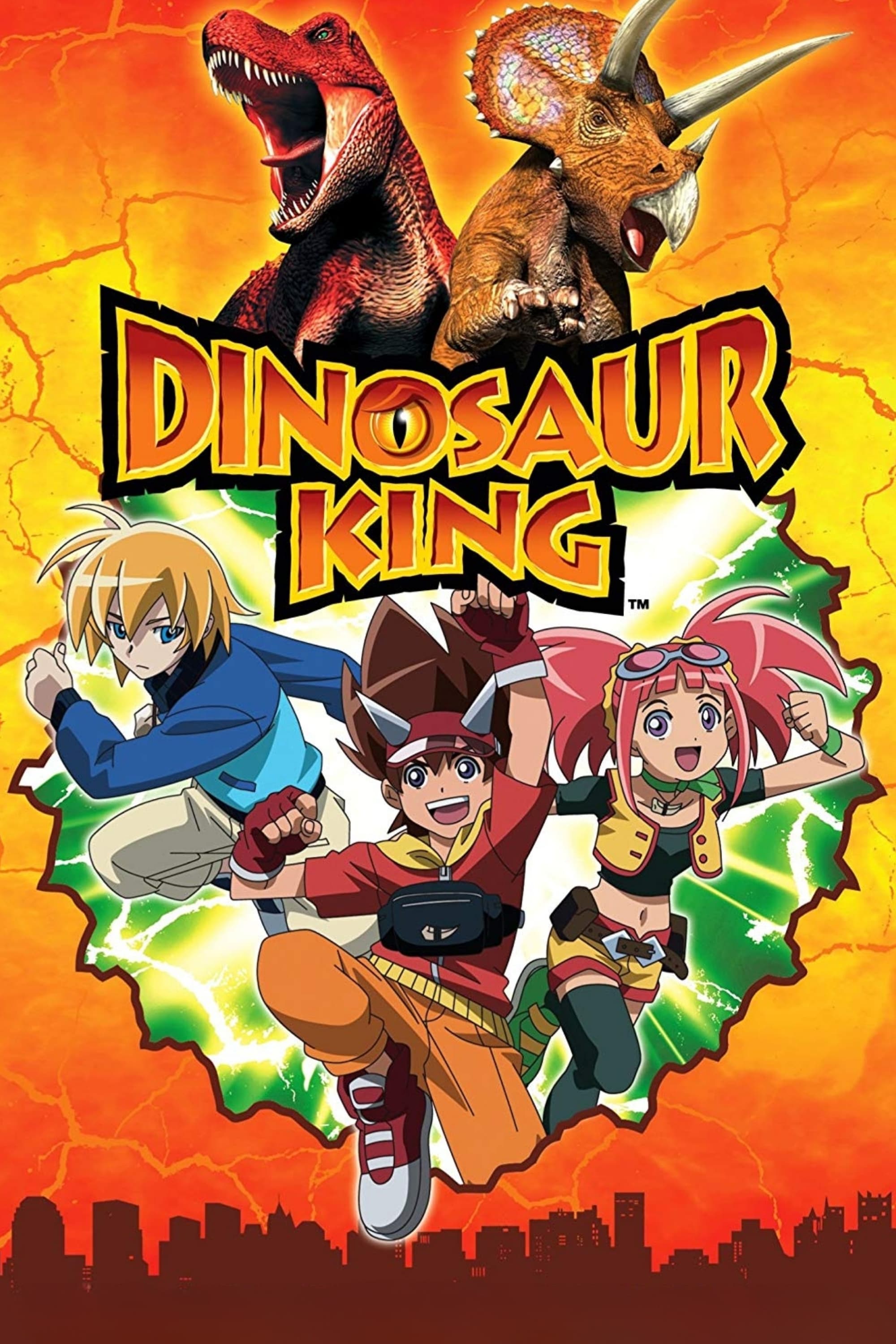
If your seven-year-old has already burned through every high-quality nature documentary on the planet, they’re eventually going to hit the "bottom of the barrel" phase of prehistoric content. That’s where Dinosaur King lives. It’s not prestige TV, and it’s certainly not science. It is a loud, colorful, 2007-era relic that exists purely to satisfy the specific urge to see a Triceratops perform a professional wrestling move on a T-Rex.
The Pokémon shadow
There is no way to talk about this show without acknowledging that it is a beat-for-beat clone of the Pokémon formula. You have the trio of kids (Max, Rex, and Zoe), the bumbling villains (the Alpha Gang), and the "gotta catch 'em all" stakes. Instead of Pokéballs, they use ancient stones and cards to "activate" dinosaurs.
If you're trying to figure out if the trading card vibes are going to lead to a basement full of cardboard, our parent's guide to Dinosaur King breaks down the "Pokémon-style obsession" and how the show's merchandising roots drive the plot. The show is essentially a delivery system for battle sequences. If your kid enjoys the tactical side of games—thinking about which "element" beats another—they will likely be hooked by the rock-paper-scissors logic the battles use.
The visual friction
Parents should be prepared for the 2007 aesthetic. The show uses a jarring mix of traditional 2D animation for the characters and early-aughts 3D models for the dinosaurs. By today's standards, the CGI looks like it belongs in a vintage PlayStation 2 cutscene. While kids usually don't care about "dated" graphics if the action is constant, you might find the visual jump between the flat characters and the chunky, low-texture dinosaurs a bit distracting.
The Alpha Gang also brings a high level of "shouting" to the living room. They are the classic "annoying" villains who fail constantly and yell about it. It’s a far cry from the more nuanced storytelling found in modern hits like Jurassic World: Camp Cretaceous.
How to use it
Since the educational value here is basically zero—the dinosaurs have superpowers and "move cards"—this isn't the show you use to teach history. However, it is a great bridge for kids who are moving from "dinosaur toys" to "strategy games."
The show is harmlessly derivative. It won't challenge them, and it won't teach them anything about the Cretaceous period, but it functions perfectly as background noise for a kid who just wants to see a Spinosaurus shoot a beam of water out of its mouth. If they finish this and still want more, you've officially hit the end of the dinosaur-media pipeline.