The "average guy" power fantasy
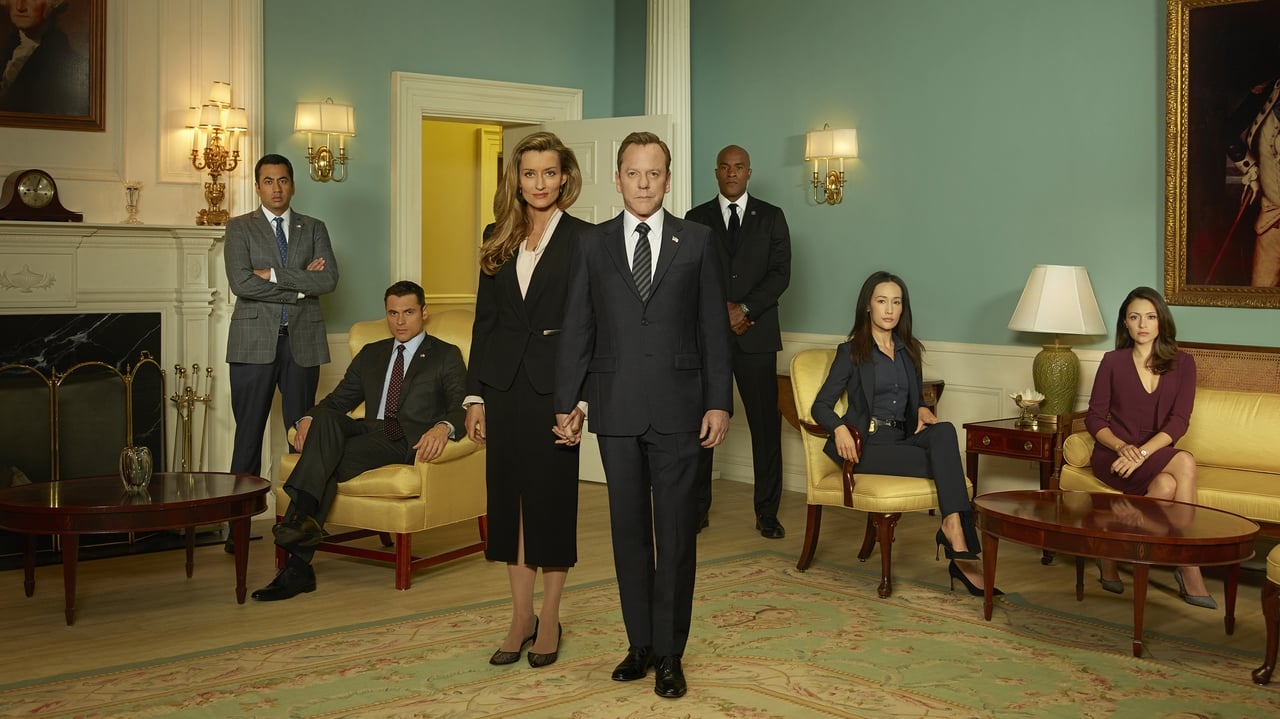
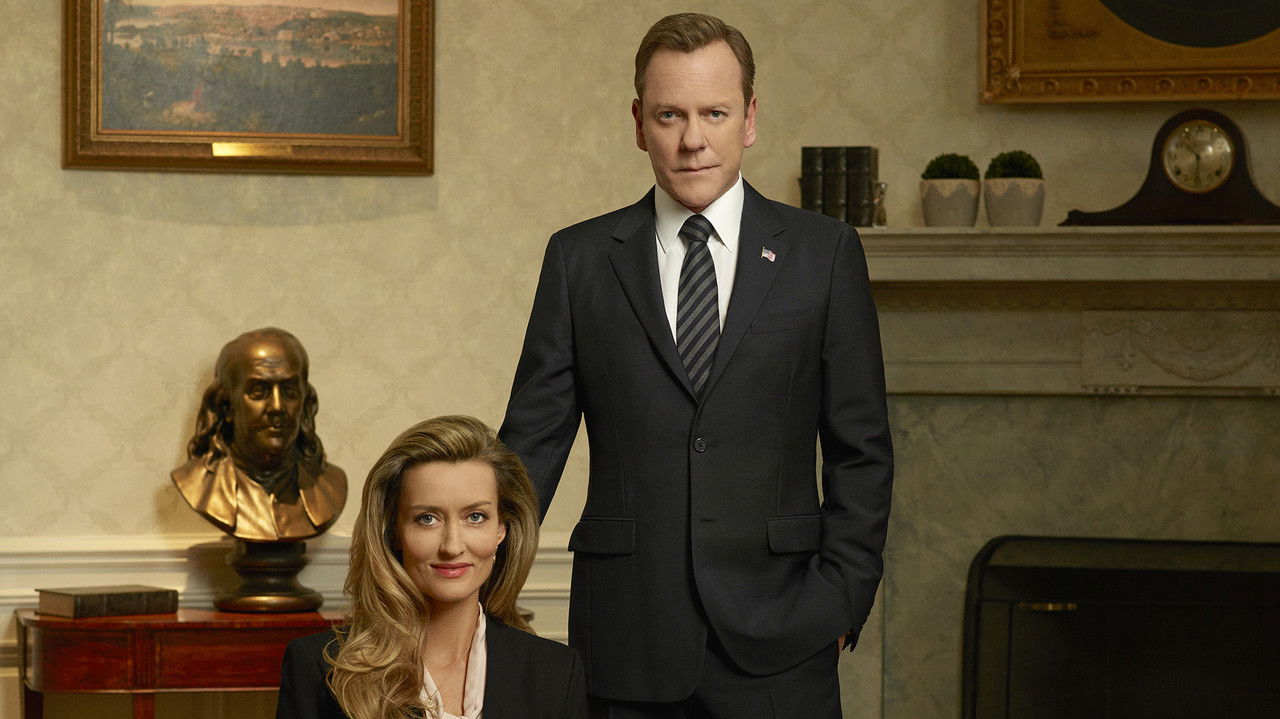
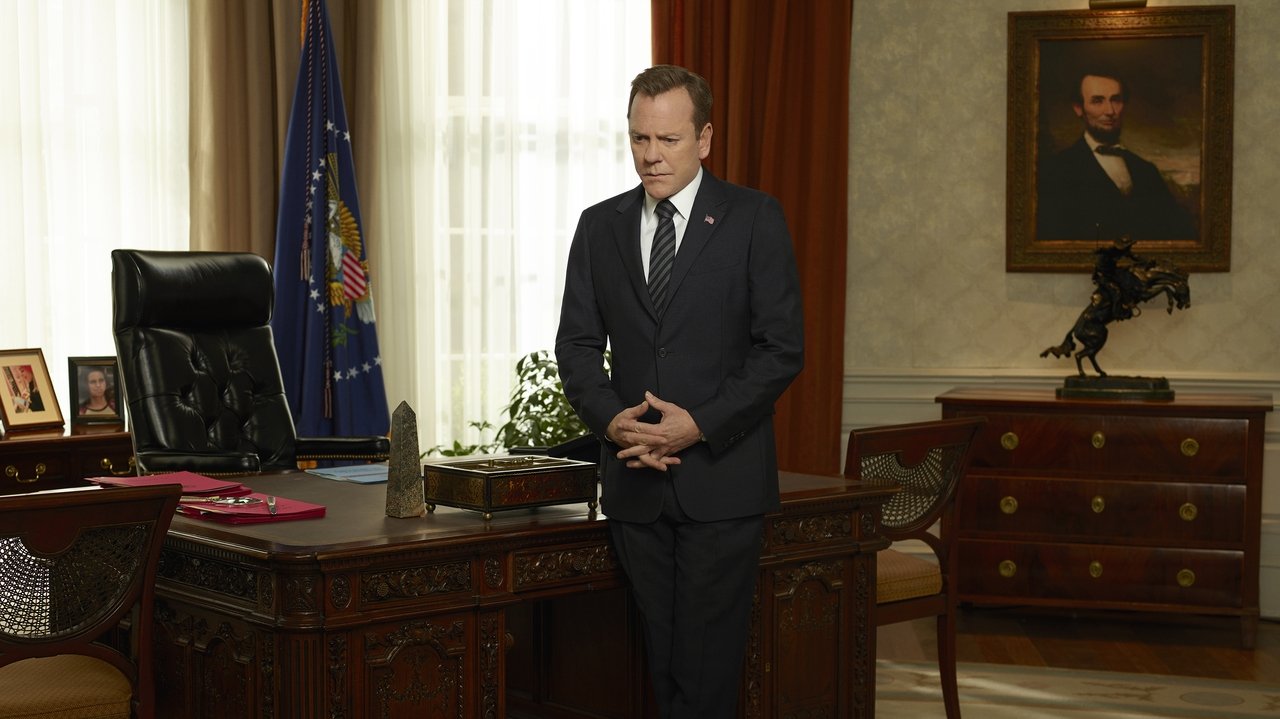
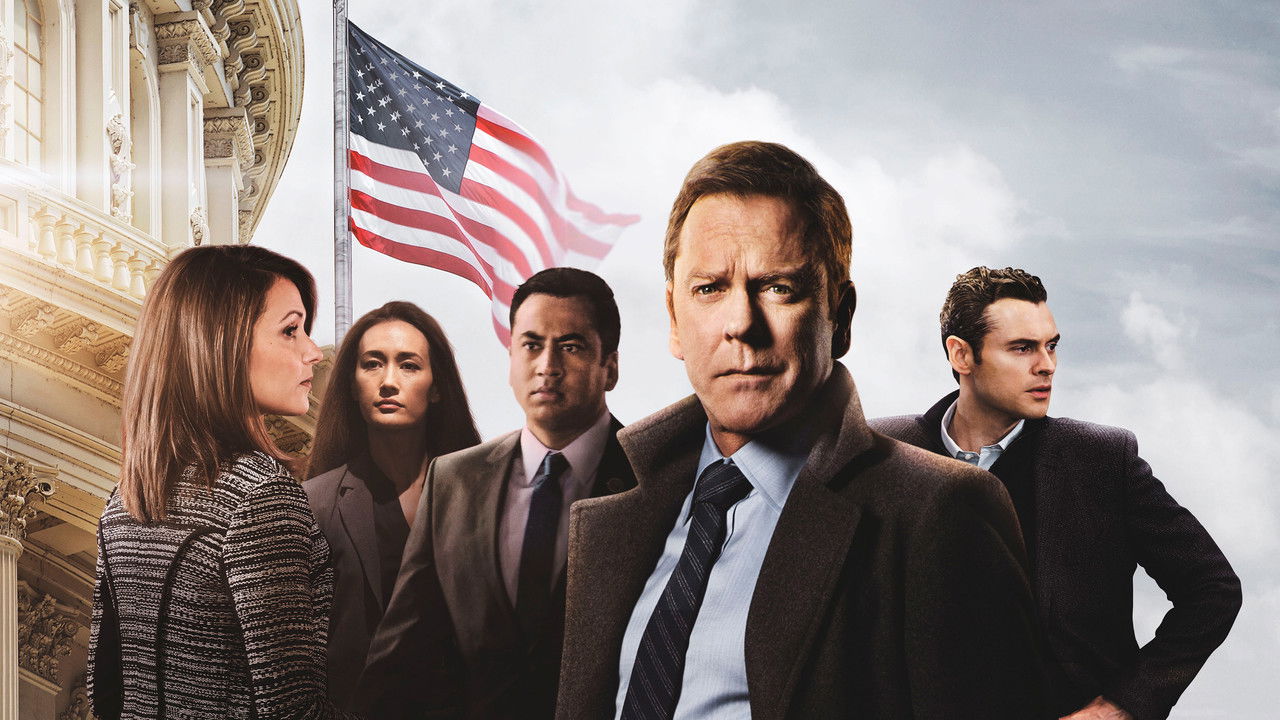
Most political dramas are about people who spent their entire lives clawing their way to the top. Designated Survivor flips that by putting a guy in the Oval Office who was basically halfway out the door to a quiet teaching job. Tom Kirkman is the ultimate underdog. He’s a housing secretary who wears corduroy jackets and worries about his kids' breakfast, which makes the moments where he has to stare down generals or foreign dictators feel much more earned.
If you have a teenager who feels like the world is a mess and wonders why "normal people" aren't in charge, this show speaks directly to that. It taps into a very specific kind of wish fulfillment: the idea that honesty and common sense might actually be enough to run a superpower. It’s refreshing to see a leader who is motivated by decency rather than a hunger for legacy.
A tale of two shows
You should know going in that this series is constantly fighting with itself. One half is a thoughtful, almost nerdy exploration of the U.S. government. It covers things like how to appoint a new Supreme Court or what happens when a governor refuses to follow federal orders. For a certain type of kid—the one who actually likes their civics textbook—this stuff is magnetic.
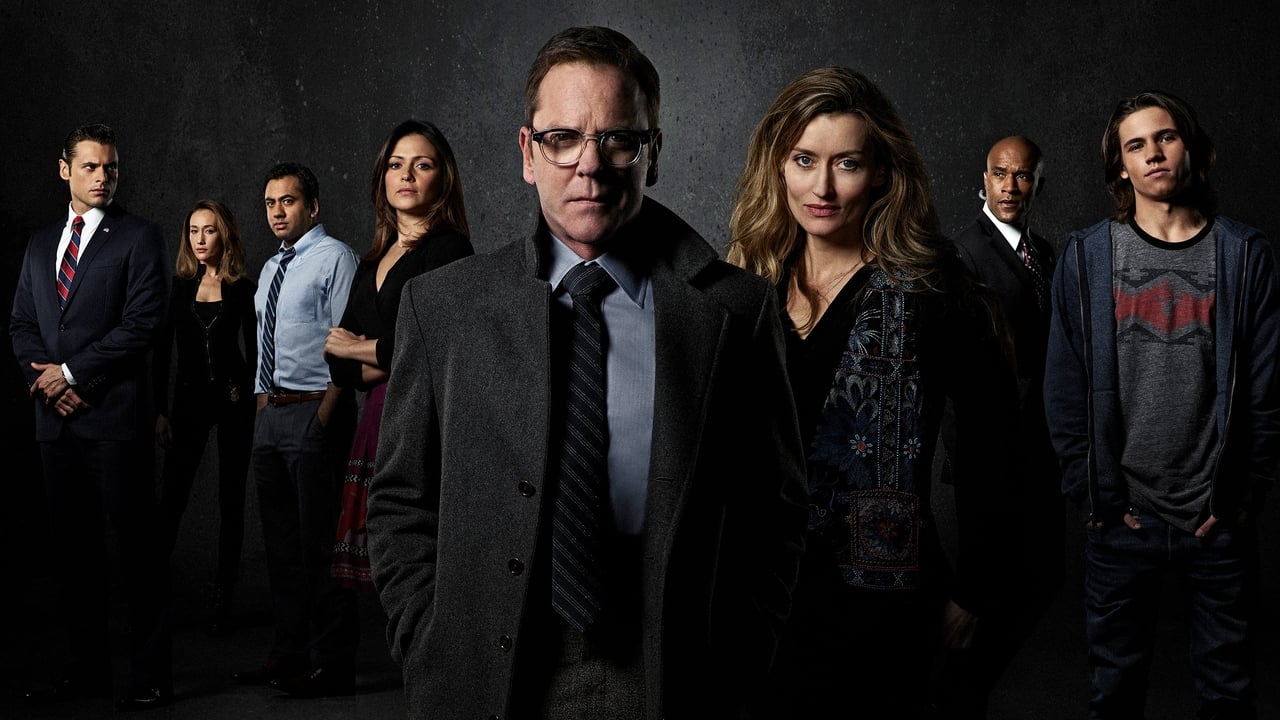
The other half is a high-octane conspiracy thriller. While Kirkman is debating policy, there’s an FBI investigation happening in the shadows involving secret bases, burner phones, and shadowy figures. It’s very much in the vein of 24, which makes sense given the lead actor, but the two tones don't always mesh. Sometimes you'll get a great scene about the nuances of the First Amendment followed immediately by a parking garage shootout. It can feel a bit disjointed if you're looking for a consistent prestige drama.
The Netflix pivot and the 53% problem
The gap between the critic score (71%) and the audience score (53%) on Rotten Tomatoes is largely explained by the show's move to Netflix for its final season. When it was on network TV, it was a relatively clean, family-friendly thriller. Once it moved to streaming, the writers clearly felt the need to "grow up."
The result was a sudden, jarring pivot into heavy profanity and much darker, more cynical storylines. It didn't just add a few F-bombs; it changed the soul of the show. The optimistic, "West Wing" vibe of the early seasons gets swapped for something that feels like it’s trying too hard to be edgy. If you’re watching this with a 14-year-old, the first two seasons are a great ride, but you might find yourselves rolling your eyes—or reaching for the remote—by the time you hit the third.
If they liked Hamilton or 24
This is the perfect middle ground for a kid who is outgrowing standard action movies but isn't quite ready for the dense, cynical world of House of Cards. It has the "room where it happens" energy of a political stage play, but it keeps the stakes high with the ticking-clock pressure of a terrorist mystery.
If your teen is into the high-stakes problem-solving of The Martian or the political maneuvering of Hamilton, they’ll likely get hooked on the "how do we fix this?" puzzles Kirkman faces every episode. Just be prepared for the fact that the show eventually loses interest in its own optimism. Stick to the first season for the tightest, most satisfying arc, and treat anything after that as an optional, grittier sequel.