The 'Psycho-Pop' Aesthetic
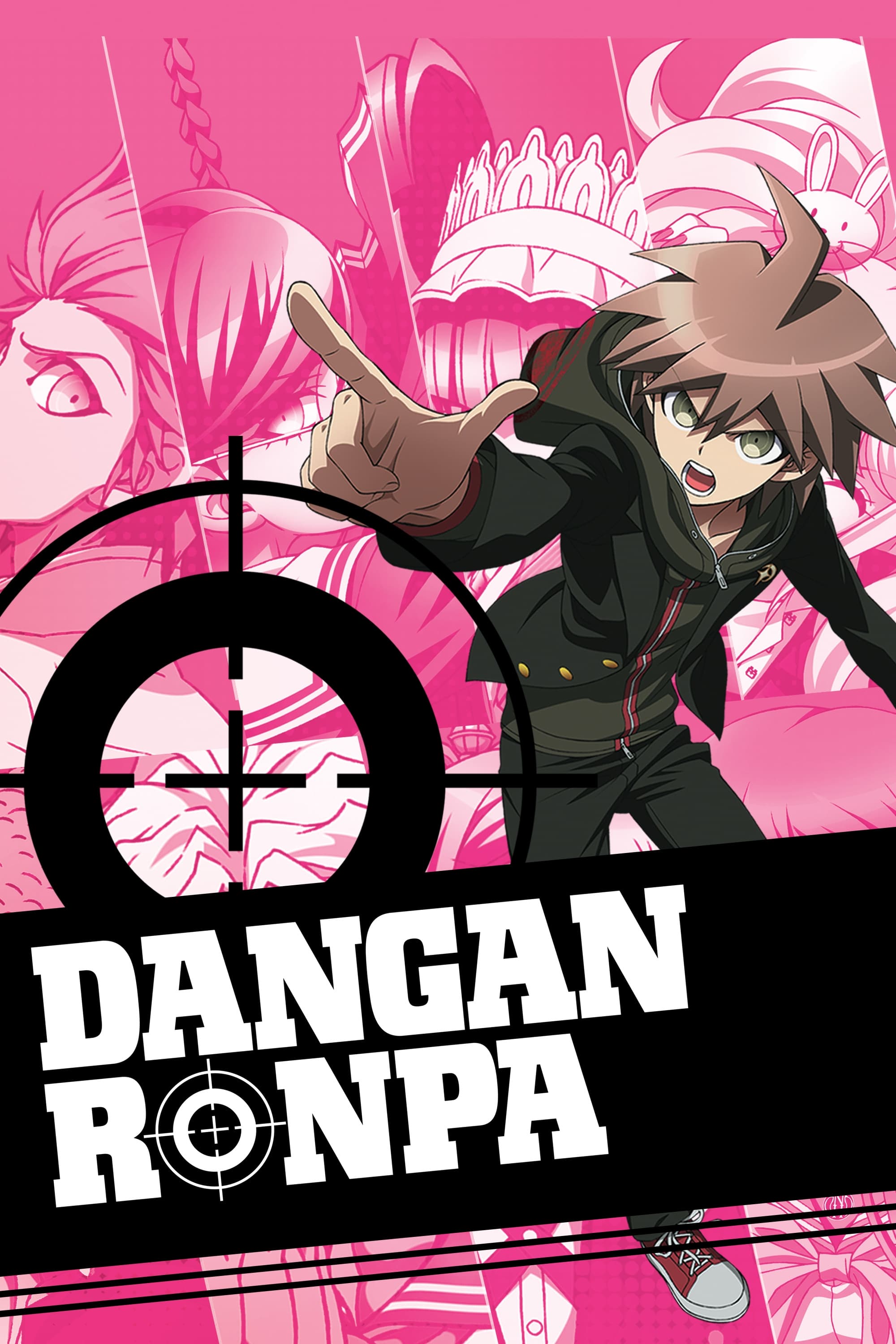
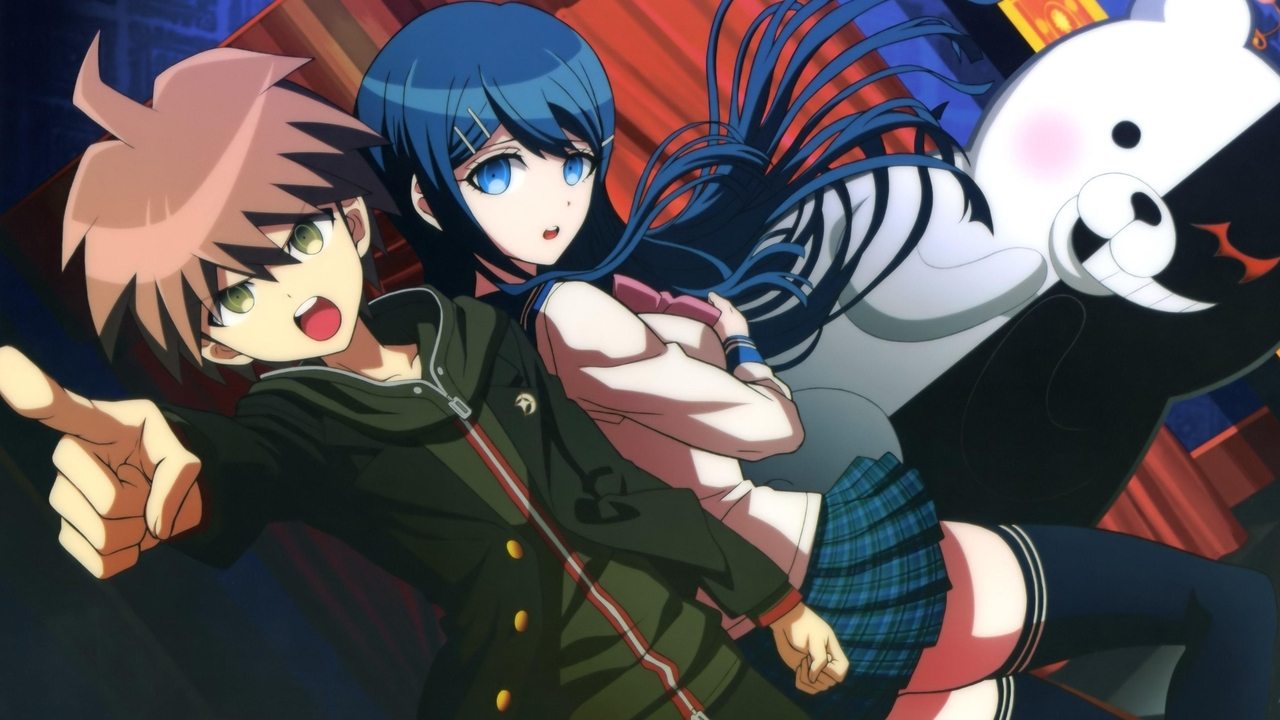
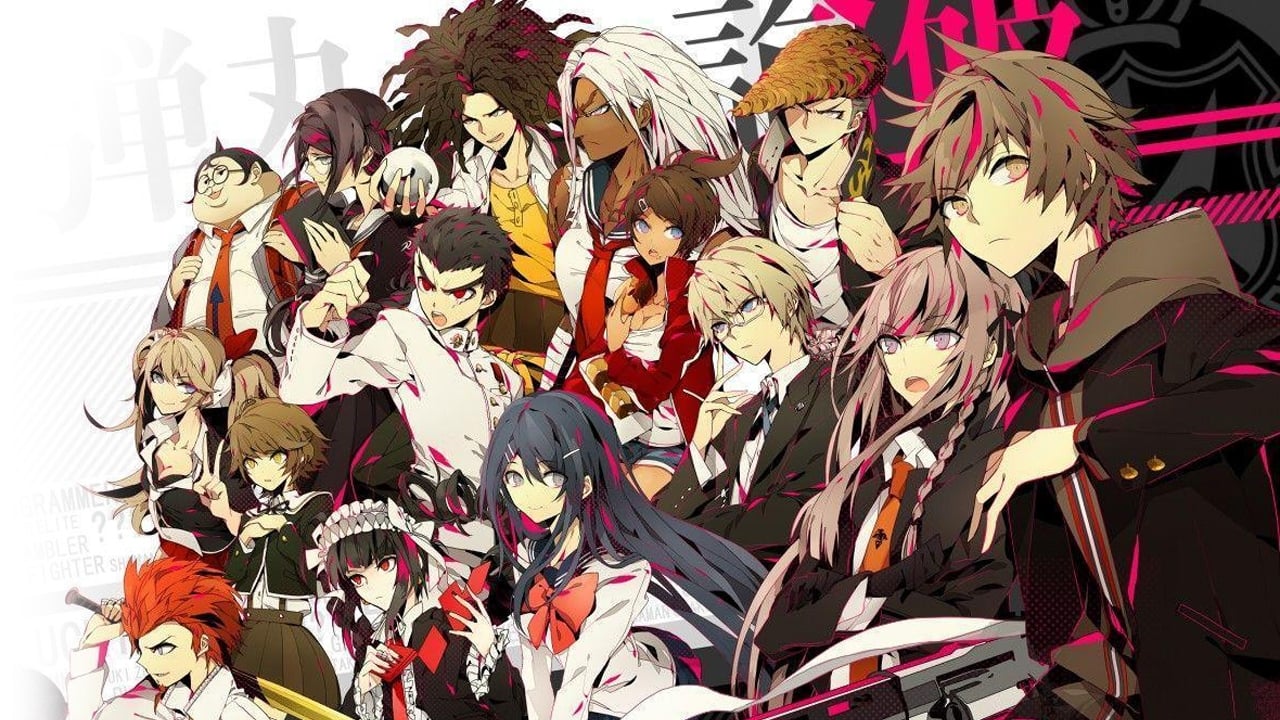
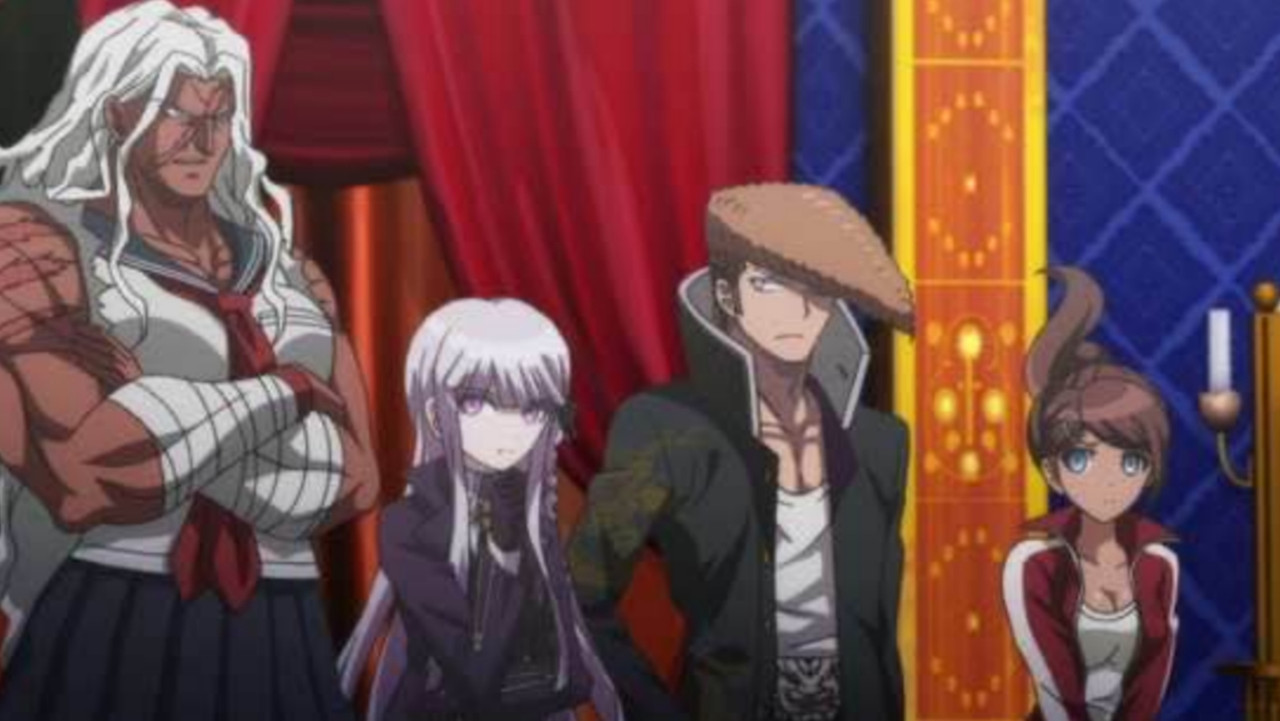
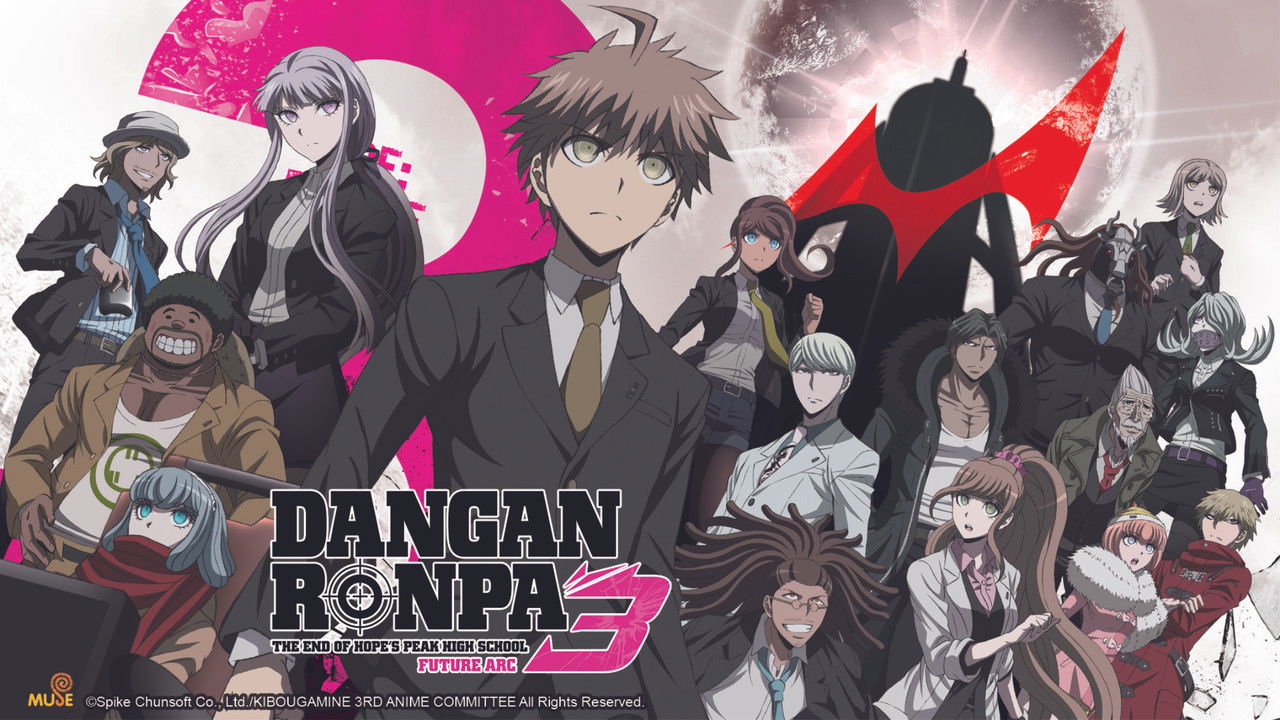
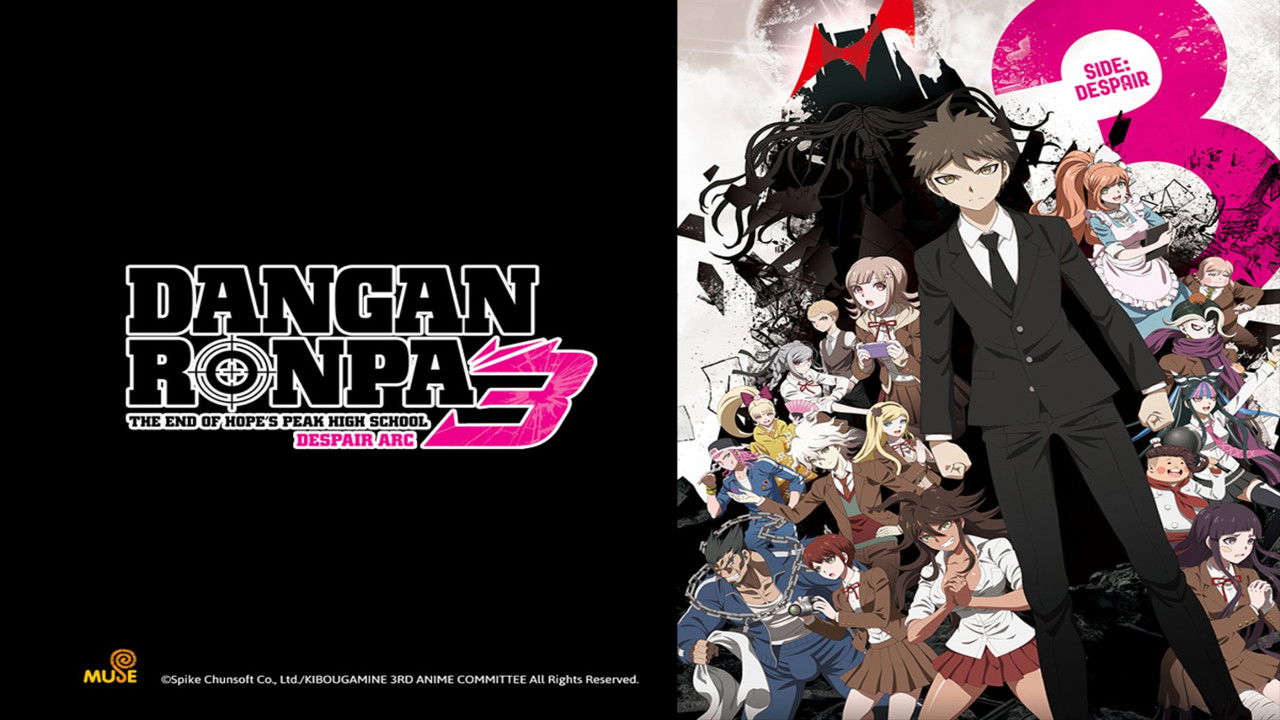
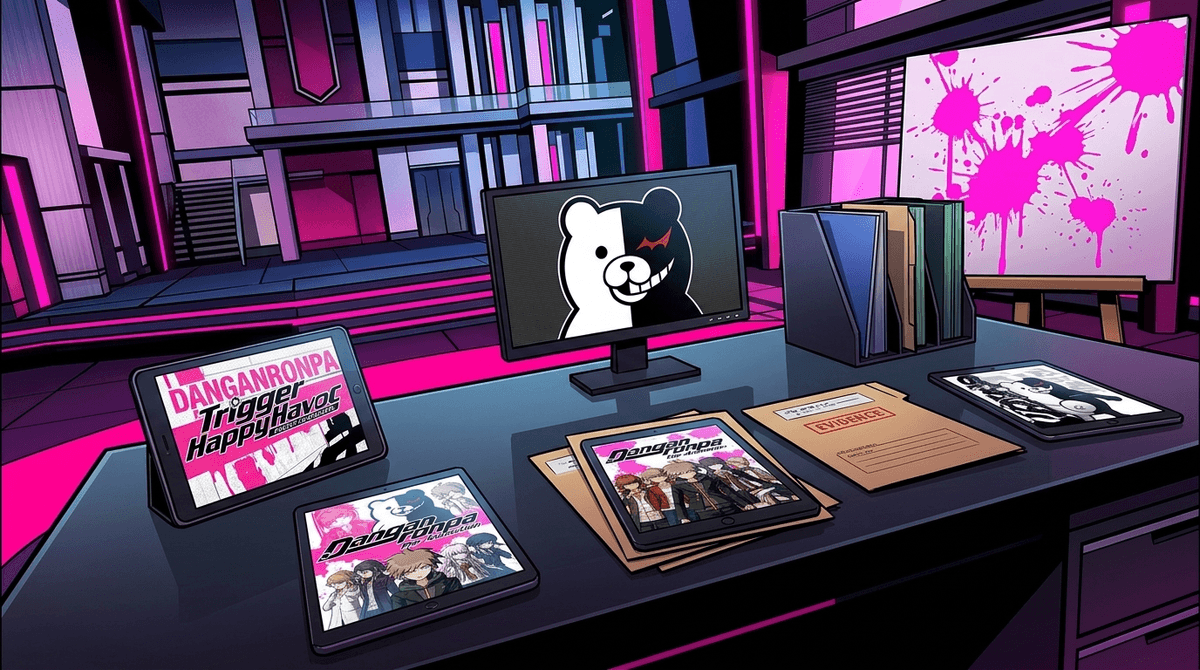
What sets Danganronpa apart from other survival-horror anime is its refusal to be drab. Most shows about kids killing each other use a muted, grey palette to signal 'seriousness.' This show does the opposite. It uses vibrant neons, pop-up book transitions, and a soundtrack that bops while characters are literally fighting for their lives. This creates a strange cognitive dissonance—it’s fun to watch, even when what’s happening on screen is objectively horrific.
Game vs. Show
If your kid is a fan of this, they’re likely already aware of the Danganronpa visual novel series. The anime is a very faithful, albeit rushed, version of the first game. The biggest friction point for parents is the 'Class Trial' segment. These are essentially logic puzzles where characters shoot 'Truth Bullets' at lies. It’s a great way to engage with critical thinking, but the anime moves so fast that viewers barely have time to solve the mystery themselves before the protagonist shouts the answer.
Safety Check: The Executions
The show follows a formula: a murder happens, an investigation occurs, and a trial identifies the killer. The 'Safe' score is lower because of the final step: the execution. These aren't simple 'lights out' moments. They are elaborate, Rube Goldberg-style death traps. While the pink blood softens the blow, the psychological cruelty of the villain, Monokuma, is the real thing to watch for. It’s a show about losing hope, and that can be heavy for younger teens who aren't used to the 'despair' genre of Japanese media.