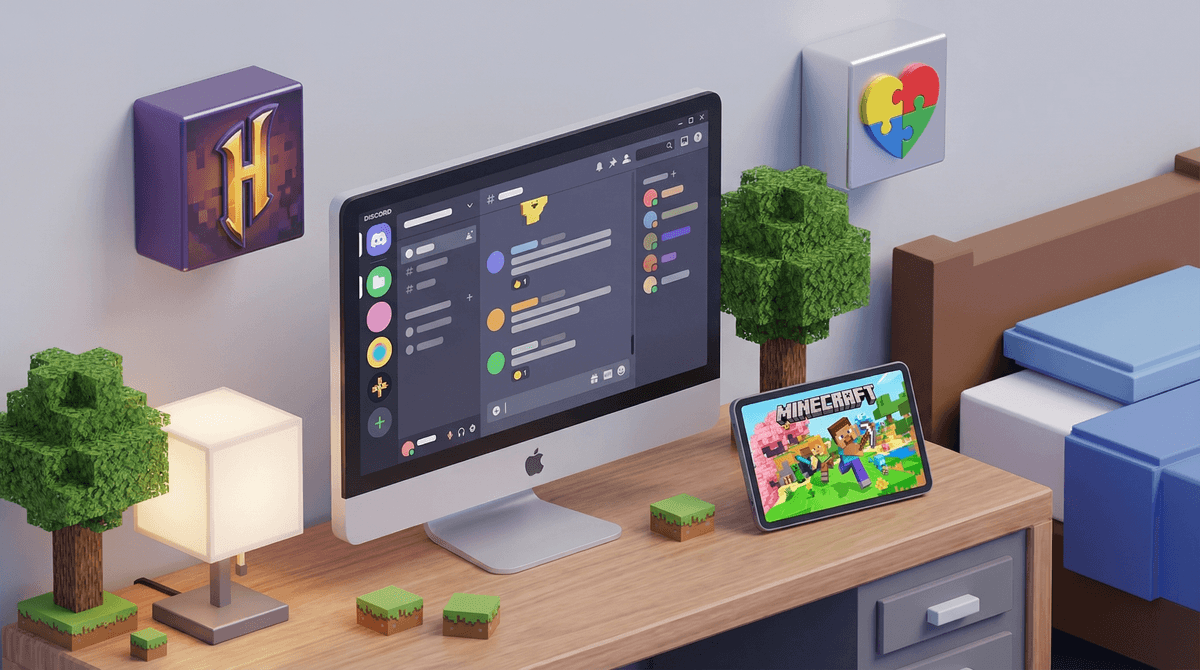
From Player to Tinkerer
CurseForge represents a major shift in how kids interact with media. They aren't just consuming a product; they're dissecting it. When a kid wants to install a 'modpack,' they aren't just clicking a button—they're managing dependencies, allocating RAM, and navigating a complex ecosystem of user-generated content. This is functionally a 'pre-coding' skill set.
The Overwolf Factor
It's important to understand that CurseForge isn't just a website anymore; it's a desktop client managed by Overwolf. While this makes modding much easier for the average user, it comes with the baggage of modern software: ads, telemetry, and background processes. If you're a privacy-conscious household, you'll want to dive into the settings to disable as much tracking as possible.
The Safety Reality Check
Is it 'safe'? Mostly. But in 2023, the platform suffered a 'Fractureiser' malware attack where several popular mods were compromised. The platform responded quickly, but it served as a reminder that UGC is never 100% secure. The best way to use CurseForge is to stick to the 'Featured' or 'Top Downloaded' mods. If a mod has 10 million downloads, it’s been vetted by the community. If it has 50 downloads and was uploaded yesterday by 'CoolGamer99,' maybe skip it.
"The real risk isn't just a virus; it's the 'rabbit hole' of community content that can lead kids from a simple Minecraft tweak to unmoderated Discord servers and mature-rated game overhauls."
If your kid is into The Sims 4, be especially vigilant. The modding community for that game is famously 'adult,' and while CurseForge tries to filter the worst of it, the line between 'edgy' and 'inappropriate' is often thin.