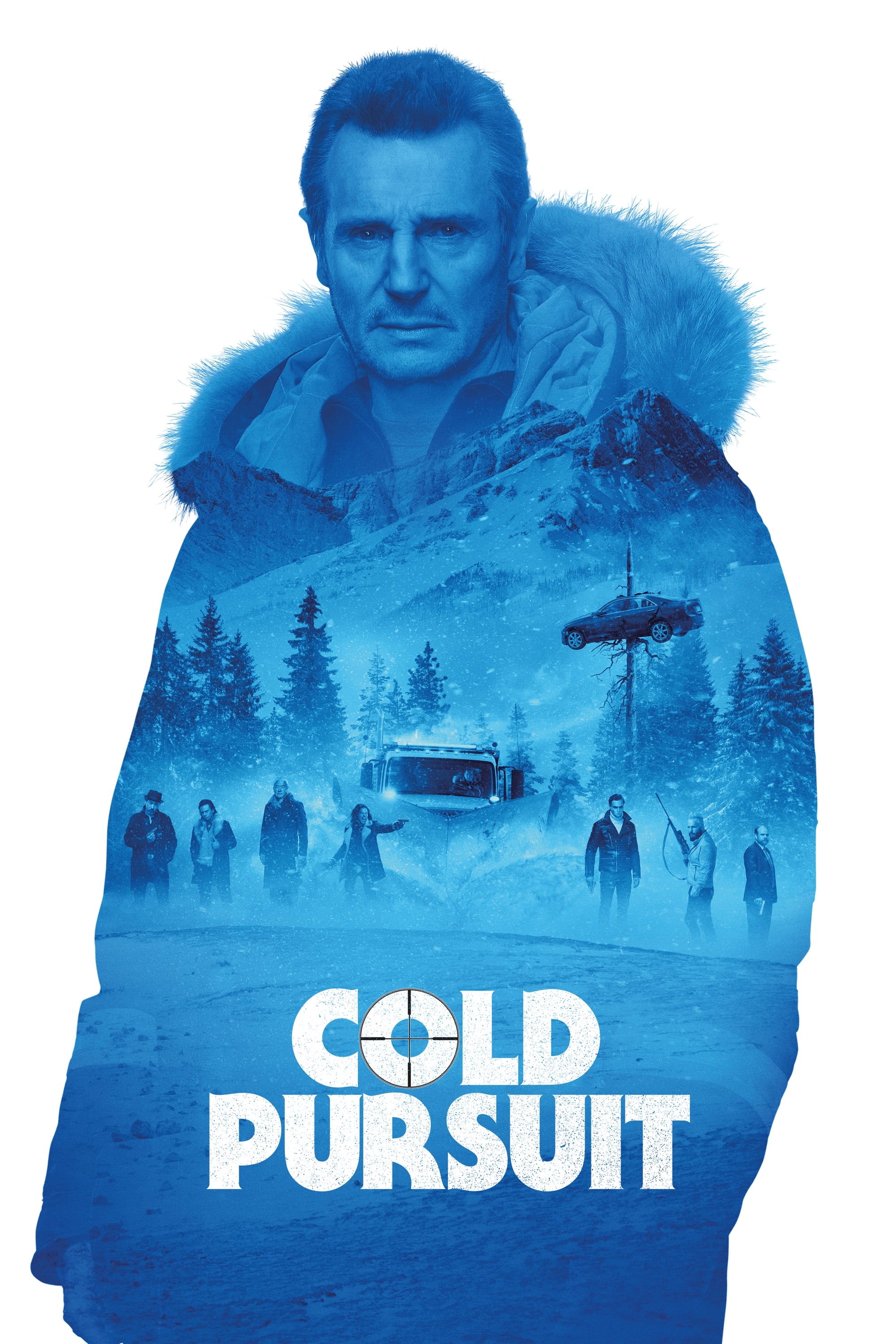
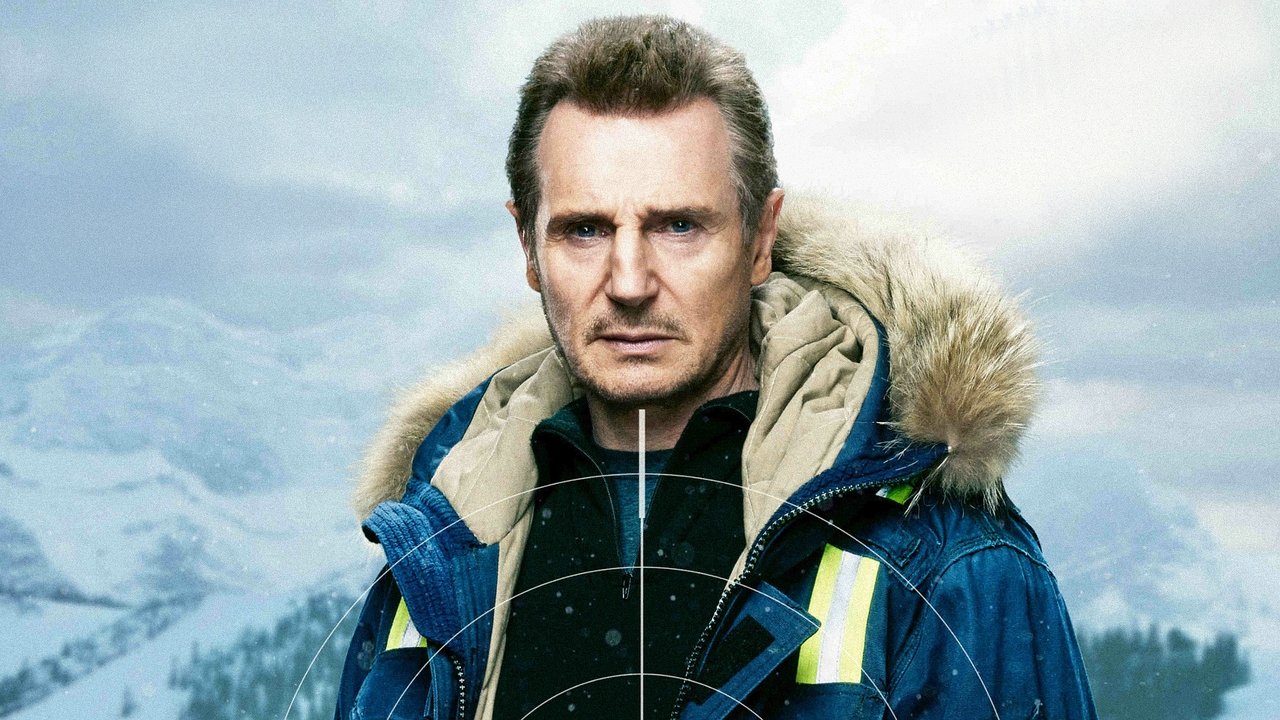
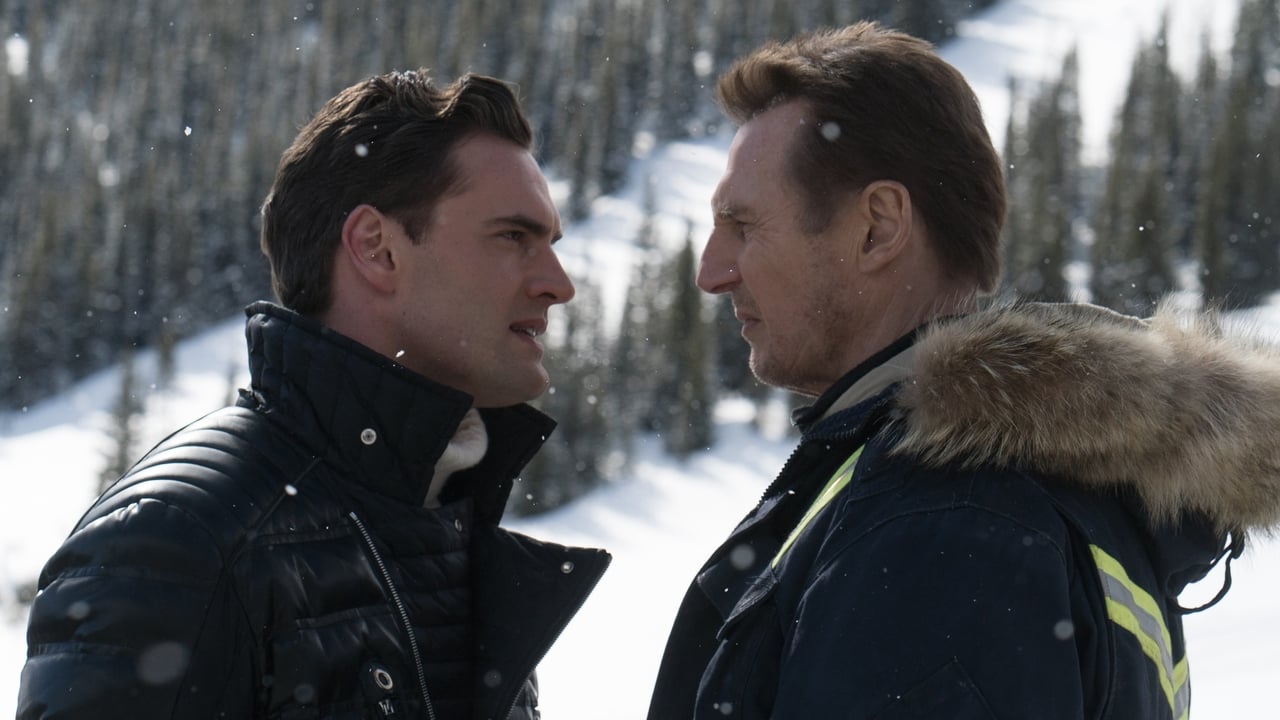
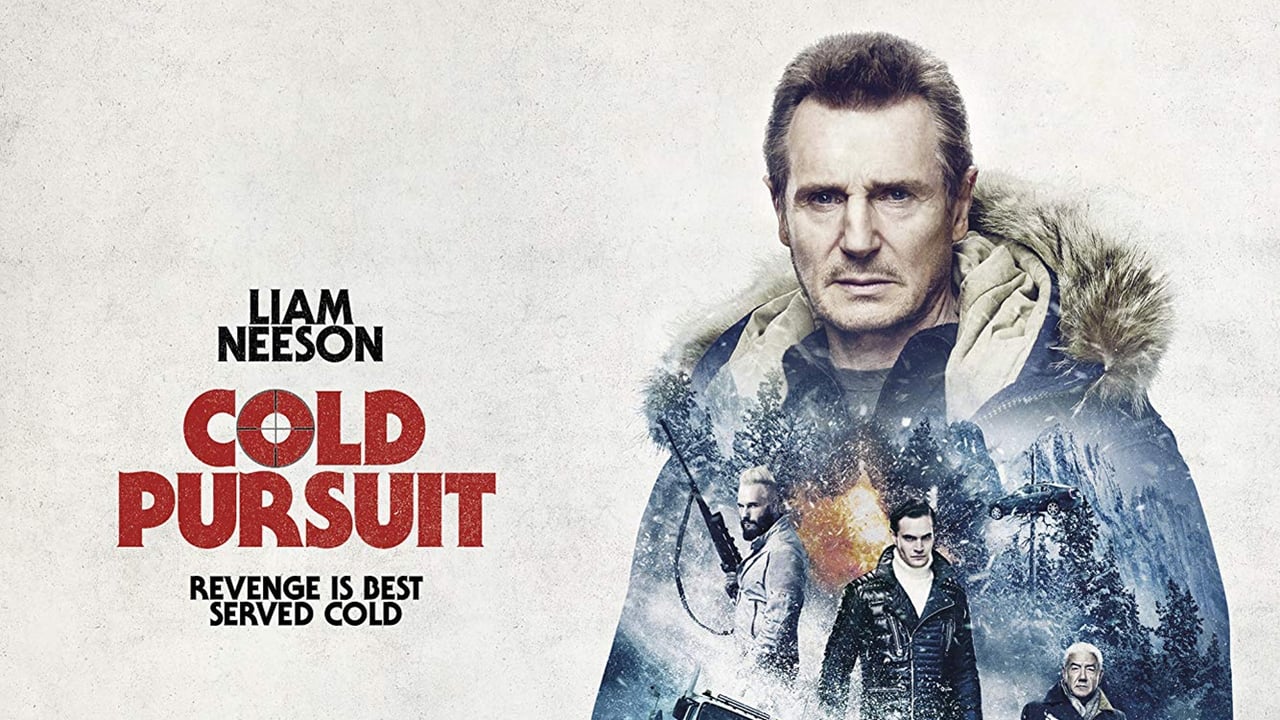
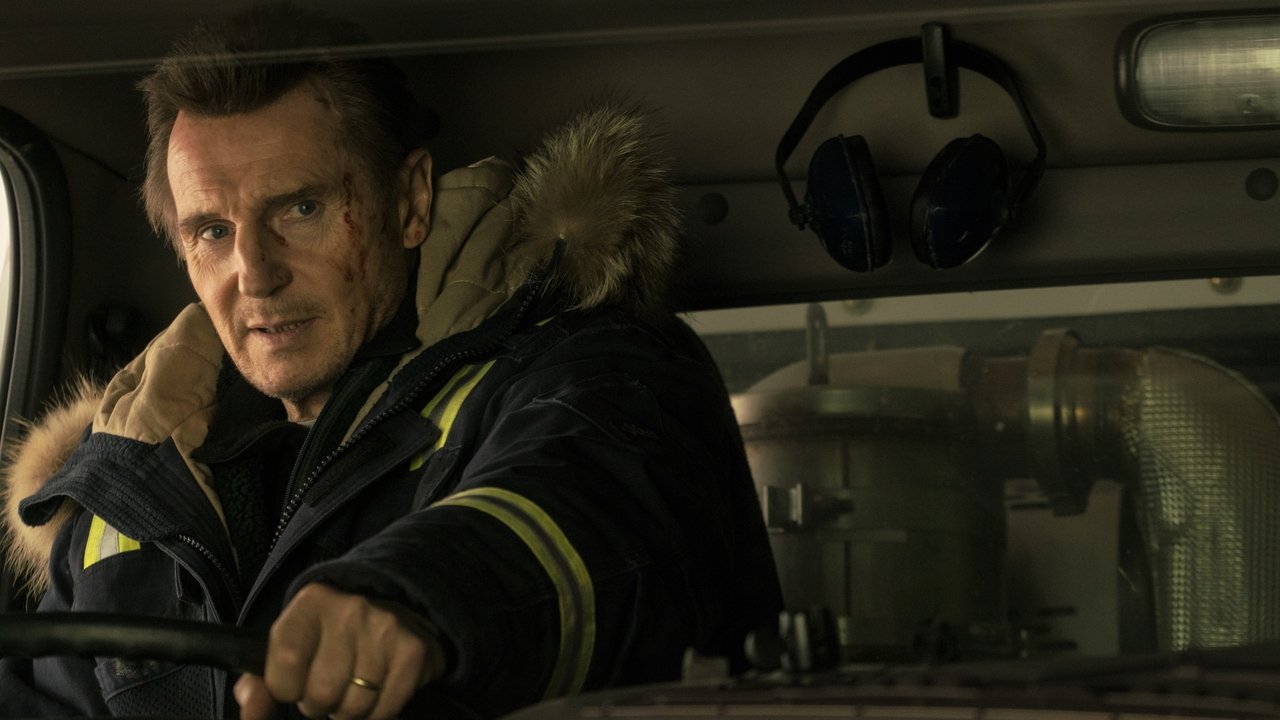
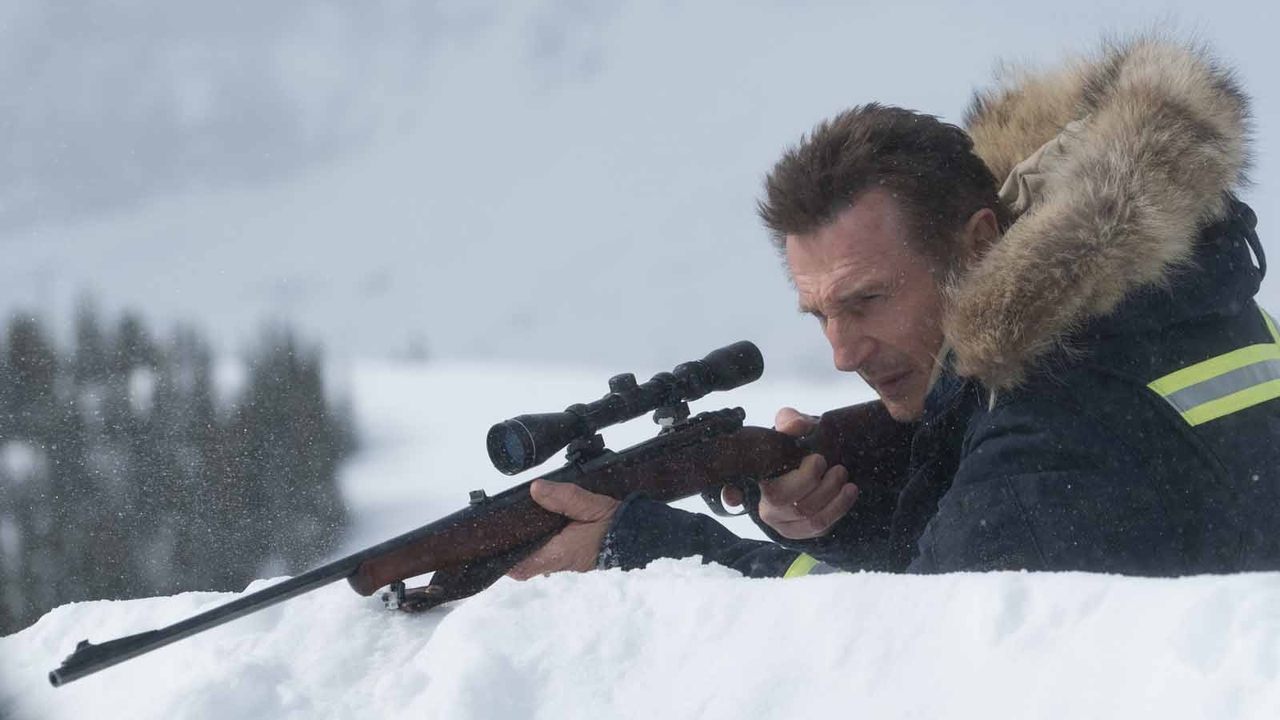
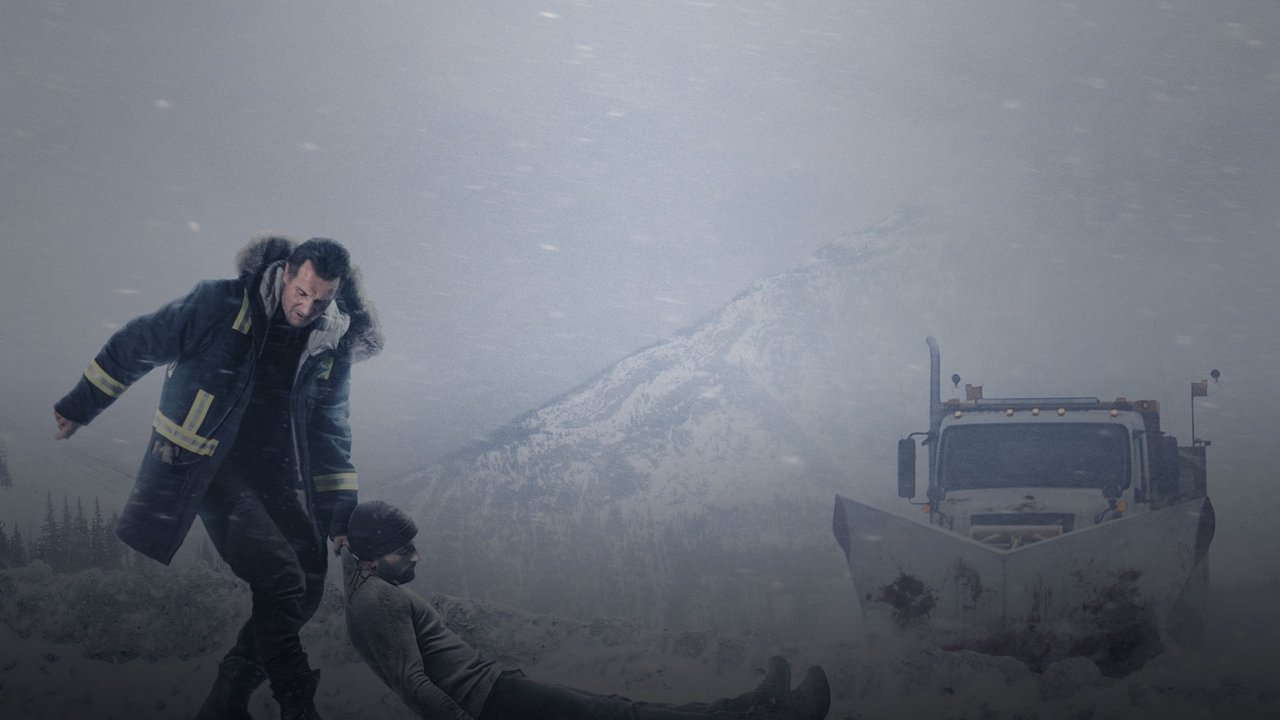
The 44% audience score on Rotten Tomatoes is the first thing you notice, and it’s the most honest part of the data. That number exists because a huge chunk of people sat down expecting a standard Liam Neeson revenge thriller and instead got a deadpan, snowy satire that mocks the very genre it belongs to. If you are looking for a high-octane flick where the hero is always three steps ahead, this isn't it. But if you like movies that find the humor in a professional hitman being picky about his breakfast, you’re in the right place.
The bait-and-switch
This movie is a remake of a Norwegian film, and it refuses to sand down those cold, European edges for an American audience. Most Neeson movies since the late 2000s follow a strict "protector" template. This one breaks the mold by making the violence feel almost clumsy. It’s less about the "particular set of skills" and more about a guy who happens to own a very large piece of machinery and a lot of patience.
The low audience score reflects a genuine frustration: the movie is slow. It takes its time with the scenery and the silence. For a 16-year-old raised on the frantic pacing of superhero movies, the first forty minutes might feel like a slog. However, for a viewer who appreciates a story that lets the atmosphere do the heavy lifting, the payoff is much sharper than your average action movie.
Death as a punchline
The most polarizing choice the movie makes is the use of title cards. Every time a character dies, the screen goes black to show their name and a religious icon. At first, it feels respectful of the character's exit. By the tenth time, it becomes a gag. This is the specific friction point for parents: the movie doesn't want you to feel the weight of the violence; it wants you to see the absurdity of it.
If your teen is a fan of the John Wick series, they’re used to "video game" violence where enemies are just obstacles. Cold Pursuit is different. It gives the bad guys names, backstories, and weird hobbies, then kills them anyway. It’s a cynical vibe that requires a certain level of maturity to parse. It’s not glorifying the kill as much as it’s pointing out how quickly a life can turn into a name on a screen.
Navigating the Neeson era
We are currently in a strange period for this specific leading man. He’s moved from "serious actor" to "action icon" to something closer to "self-aware legend." Knowing which version you’re getting is the key to not wasting two hours on a Friday night. To see how this fits into his broader career shift—and which of his other recent thrillers are actually worth your time—check out our guide to The Liam Neeson Vibe Check: Action Hero or Slapstick Grandpa?.
The Viking problem
The villain, Viking, is a fascinatingly terrible person, but not in the way you’d expect. He’s a helicopter parent who is obsessed with his son’s diet and education while simultaneously running a drug empire. The scenes involving his kid are the most uncomfortable in the movie. They aren't violent, but they show a specific kind of emotional coldness that might spark more conversation than the actual shootouts. It’s a weirdly effective mirror to Neeson’s character; both are fathers driven by a narrow, distorted view of what it means to care for their family.