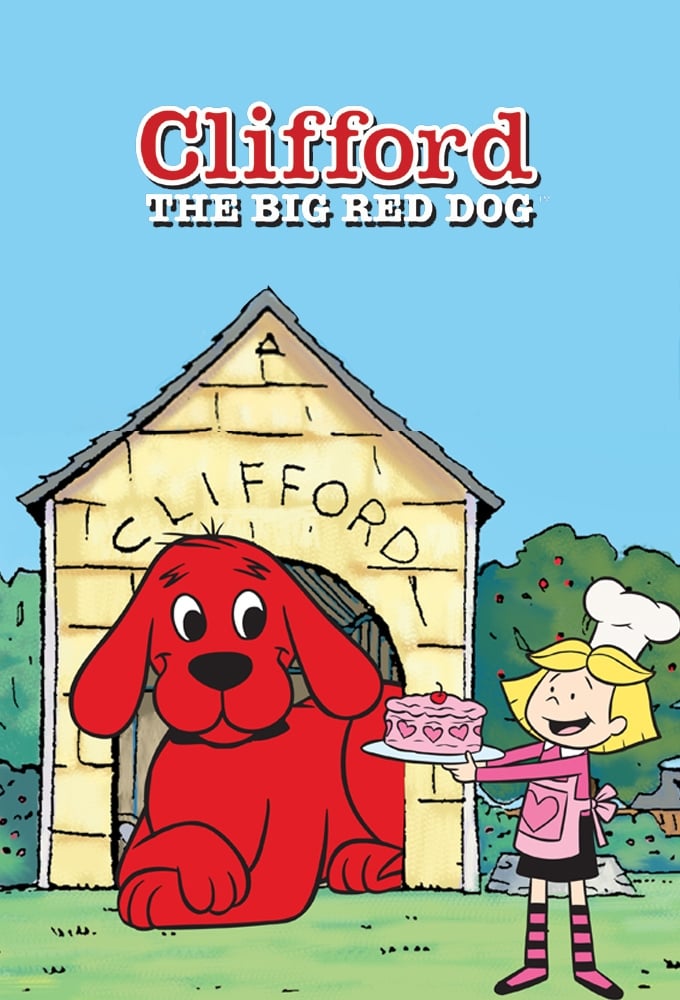
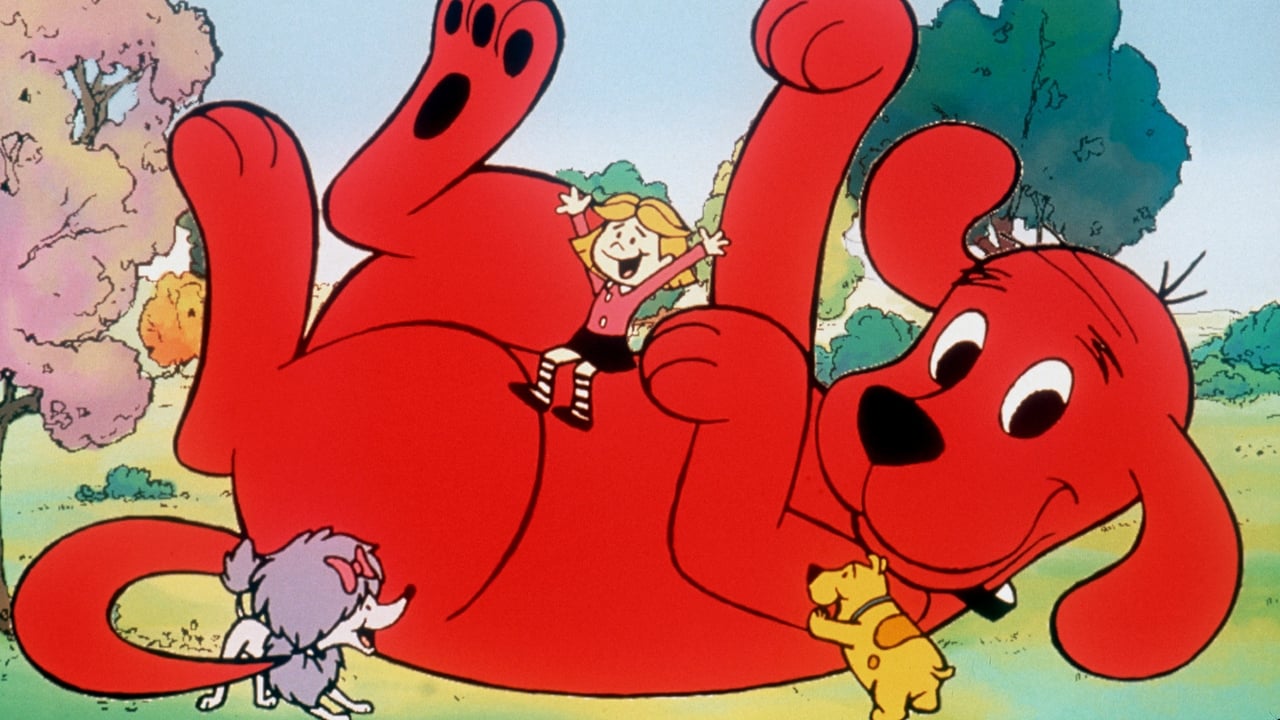
The 2000 version of Clifford the Big Red Dog is essentially the television equivalent of a weighted blanket. While the verdict already notes that this show is "boring" by modern standards, that boredom is actually a strategic tool for the right kind of parent. In an era where preschool programming often feels like a neon-colored fever dream with 120 beats-per-minute soundtracks, Clifford is a low-stimulation refuge.
The "Visual Valium" Strategy
If your household revolves around the frantic energy of Cocomelon or the relentless cleverness of Bluey, the transition to Birdwell Island will be jarring. The colors are muted, the frame rate is low, and the stakes never rise above "how do we get this giant dog out of a bathtub?" This is the show you put on when your kid is overstimulated or recovering from a fever. It doesn't demand engagement; it simply exists in the background, providing a gentle hum of social-emotional lessons that haven't changed since the books first dropped.
Where It Sits on the Spectrum
Think of Clifford as the bridge between the hyper-educational focus of Daniel Tiger and the pure vibes of Puffin Rock. It lacks the musical hooks of the former and the stunning artistry of the latter. Instead, it relies on a very specific kind of earnestness.
If your kid is used to the snarky side-eye or meta-humor found in modern DreamWorks or Disney+ series, they will likely find Clifford's sincerity cringe. There are no jokes for the adults here. No hidden references. It is a show built entirely for a three-year-old’s sense of logic, where the biggest problem in the world is a misunderstanding between a dog and a T-bone steak.
Navigating the Streaming Options
Because it’s a legacy PBS title, this show is scattered across the internet like confetti. It’s a reliable anchor for The Ultimate Guide to Family-Friendly TV on Amazon Prime Video, but it also pops up on free, ad-supported services like Tubi.
If you are watching on a platform with ads, be warned: the jump from the quiet, soft-spoken world of Clifford to a loud, high-energy toy commercial can be brutal. If you’re using this for a wind-down routine, stick to the ad-free versions on Prime Video to keep the "chill" vibe intact.
The Nostalgia Trap
You might remember the books with a warm glow, but don't expect the 2000 series to provide that same aesthetic satisfaction. The animation was utilitarian even for its time. It lacks the hand-drawn charm of the original illustrations, opting for a flat, digital look that hasn't aged gracefully. However, if you can get past the clunky visuals, the core of the show—that a giant, clumsy creature can be loved exactly as he is—remains a top-tier message for kids who are still figuring out their own physical space in the world.