The Rick Riordan graduation problem
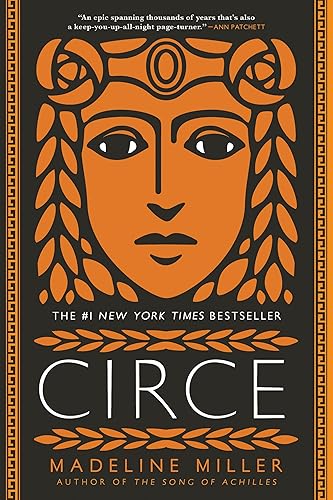
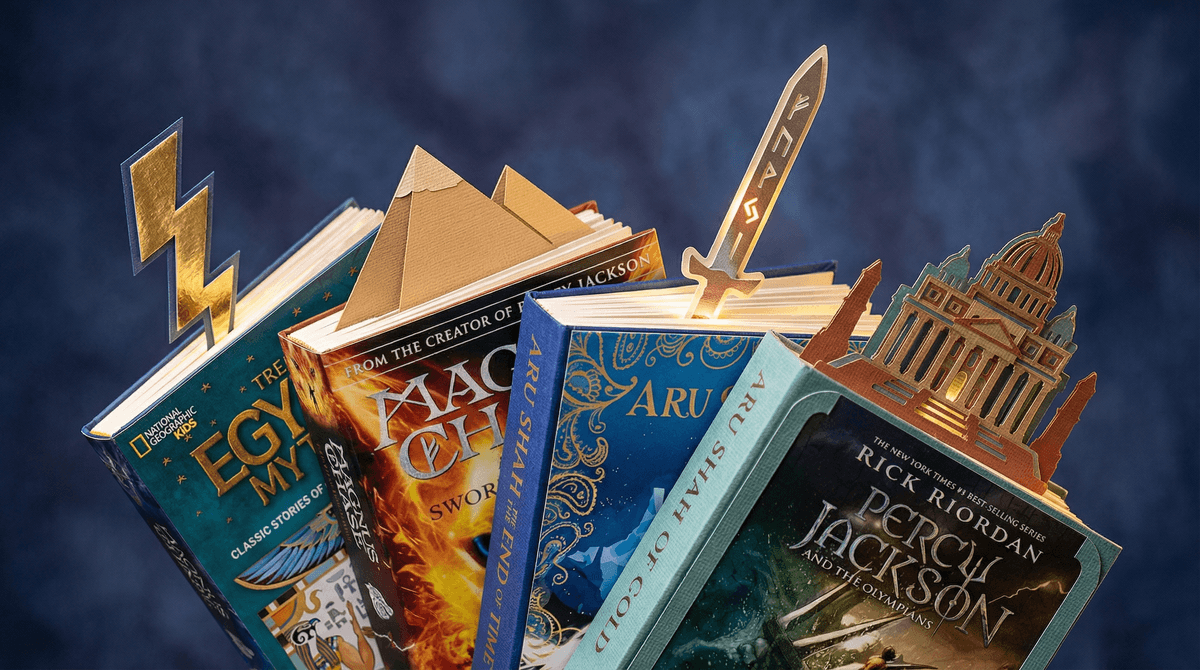
If your kid grew up on Percy Jackson, they will see a cover featuring a Greek goddess and assume this is the logical next step. It isn't. While the "Percy Jackson to Madeline Miller pipeline" is a common reader journey, the jump in maturity is more like a leap off a cliff.
Rick Riordan uses mythology as a playground for adventure; Miller uses it as a mirror for the most brutal aspects of human (and divine) nature. If you are looking for something that bridges that gap without the heavy sexual violence found here, check out our guide to Mythology Books for Kids: Ancient Stories for Modern Families. But if you have a 16-year-old who is ready to move past middle-grade tropes, Circe is the gold standard for what comes next.
Where the friction actually lives
The "subversive" tag gets thrown around a lot in book reviews, but here it has teeth. Miller doesn't just give Circe a voice; she shows exactly why the gods wanted her silent. The friction for a parent isn't just the "ancient gods being ancient gods" (which involves a lot of casual cruelty). It’s the specific, grounded nature of the trauma.
There is a scene involving sailors arriving on Circe’s island that recontextualizes why she turns men into pigs. It isn't a whimsical fairy-tale curse. It is a response to a visceral, predatory threat. For a mature teen, this is a powerful conversation starter about agency and self-defense. For a younger or more sensitive reader, it can be a lot to process without a heads-up. The book also deals with the messy, exhausting realities of motherhood and isolation. It’s why we’ve included it in our list of Books That Feel Like Solo Balcony Wine Nights. It’s a book about the interior life of a woman who has been pushed to the margins.
The craft of witchcraft
One of the most satisfying things about this book is how Miller treats magic. It isn't "wiggle a wand and things happen." Circe has no inherent "god power" like her father Helios. Instead, she invents witchcraft through pharmakeia—the use of herbs, oils, and repetitive, grueling work.
She is essentially a scientist of the ancient world. She spends years learning which root causes a transformation and which flower soothes a wound. This version of a "magic system" is incredibly rewarding for readers who appreciate process and mastery. It turns Circe from a victim of circumstance into a self-made woman.
The "Should I read it first?" test
If you are on the fence about a 14 or 15-year-old picking this up, skip to the chapters involving Scylla or the arrival of the first group of sailors. Those are the litmus tests. If those scenes feel like something your teen can navigate, the rest of the book is a masterclass in prose and character development. If they feel too heavy, stick to the more age-appropriate options in our best mythology reading list for kids.
Miller has written a book that manages to be a #1 NYT bestseller while maintaining the density and beauty of a classic. It’s rare to find a story that respects the reader's intelligence this much while still being a genuine page-turner. Just ensure the person holding the book is ready for the weight of it.