Our reviews and ratings are 100% unbiased. Screenwise is a Bookshop.org affiliate and an Amazon Associate, so if you buy a book through one of our links, we may earn a commission. Bookshop.org purchases also support independent bookstores.
Screenwise Verdict
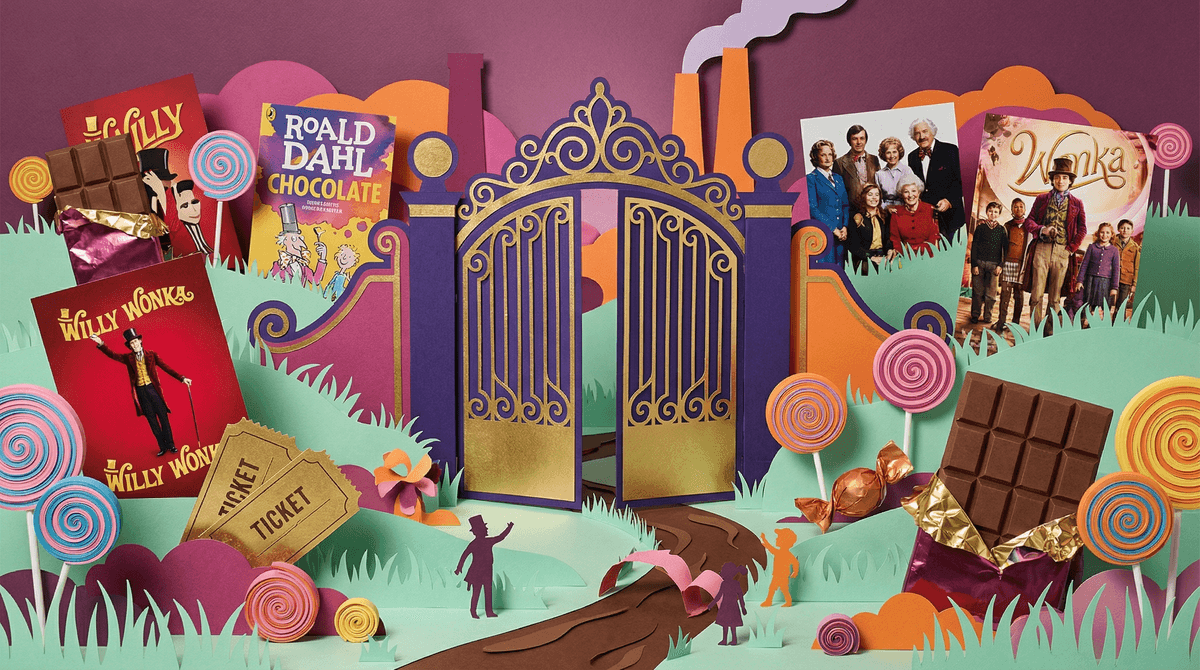
This is Roald Dahl at his most Dahl: wildly imaginative, darkly funny, and unapologetically mean to bad kids. The factory is a masterpiece of invention—every page sparks wonder and 'what if?' thinking. Charlie is a genuinely good kid, and his reward feels earned.
But let's be real: Dahl delights in punishing Augustus, Violet, Veruca, and Mike with cartoonish violence, and the tone can feel sadistic. Most kids love it (it's been a classic for 60 years), but sensitive readers may find the schadenfreude uncomfortable. The moral lessons are solid but delivered with zero subtlety.
Still, the imagination and entertainment value are sky-high, and the writing is sharp. It's not a cozy read, but it's a memorable one. Just know what you're getting into: this is a chocolate-covered morality tale with a dark center.
Age Fit
Best for ages 7–12, though younger kids can handle it read-aloud if they're okay with dark humor. Teens and adults still appreciate Dahl's wit and imagination, but the sweet spot is elementary/middle school.
WISE Breakdown
Wholesome
62
Charlie embodies kindness, gratitude, and family loyalty—solid values. But the book's moral framework is harsh: four kids meet cartoonishly violent ends (shrunk, juiced, incinerated-adjacent) as punishment for bad behavior. Dahl's tone is gleefully sadistic toward the 'bad' children, which can feel mean-spirited rather than instructive. The Oompa-Loompas sing moralistic songs, but the punishments are disproportionate and played for dark comedy. Family love is genuine (Charlie's devotion to his grandparents is touching), but the schadenfreude undercuts the wholesomeness.
Imaginative
92
This is peak Dahl imagination: a chocolate river, edible wallpaper, three-course-meal gum, a glass elevator that breaks through the roof. The factory is a fever dream of invention and whimsy, inviting kids to wonder 'what if?' at every turn. The absurdity (Oompa-Loompas, Wonka's eccentricity, the sheer physics-defying candy) sparks curiosity and creative thinking. It's a book that makes kids want to invent their own impossible treats.
Safe
70
No sex, gore, or explicit violence, but the fates of Augustus (stuck in a pipe), Violet (blown up like a blueberry), Veruca (down a garbage chute with 'bad nuts'), and Mike (stretched thin) are disturbing in a Grimm's fairy tale way. Most kids handle it fine—it's been a classic for 60+ years—but sensitive readers may be unsettled by the cavalier treatment of children's suffering. The poverty Charlie endures (starvation-level hunger) is also stark. Common Sense Media parent reviews note mixed feelings about the 'concerning' treatment of characters. Overall, it's safe in the traditional sense but leans dark.
Enriching
75
Teaches consequences (greed, gluttony, entitlement = bad outcomes) and rewards humility, patience, and integrity. Charlie's gratitude and lack of envy are genuinely enriching character traits. The book also subtly explores class inequality and the power of hope. That said, the lessons are delivered with a sledgehammer—Dahl isn't subtle. The entertainment value is high (it's funny, fast-paced, endlessly quotable), and it's sparked decades of creative adaptations. Vocabulary is rich, and the storytelling craft is top-tier.
Parent Info
✓
Why It Might Be Great
Imagination is unmatched: chocolate rivers, edible wallpaper, a glass elevator—pure creative fuel for young minds
Charlie's humility, gratitude, and family devotion are genuinely touching and model strong values
Fast-paced, funny, endlessly quotable—it's a page-turner that gets reluctant readers hooked
Teaches consequences in memorable (if exaggerated) ways: greed, gluttony, and entitlement don't pay
Dahl's writing is sharp, witty, and rich in vocabulary—a masterclass in storytelling craft
⚠
What to Watch For
Dark humor: kids get stuck in pipes, blown up like blueberries, and tossed down garbage chutes—played for laughs but can unsettle sensitive readers
Dahl's tone toward the 'bad' children is mean-spirited and schadenfreude-heavy; some parents find it harsh
Charlie's poverty is stark—he's literally starving at the start, which may prompt tough conversations
The Oompa-Loompas' origins (originally from Africa, later revised to Loompaland) have a complicated racial history worth knowing
Conversation Starters
"Which kid do you think got the worst punishment? Was it fair?"
"If you could invent one impossible candy, what would it do?"
"Why do you think Wonka chose Charlie in the end? What made him different?"
"Charlie's family had almost nothing but still loved each other—what does that teach us about happiness?"
"Would you want to visit Wonka's factory? What would you be most excited (or scared) to see?"