Call of Duty: Warzone

Call of Duty: Warzone

game

2020, Shooter

WISE
32%

WISE Score

72%

IGDB

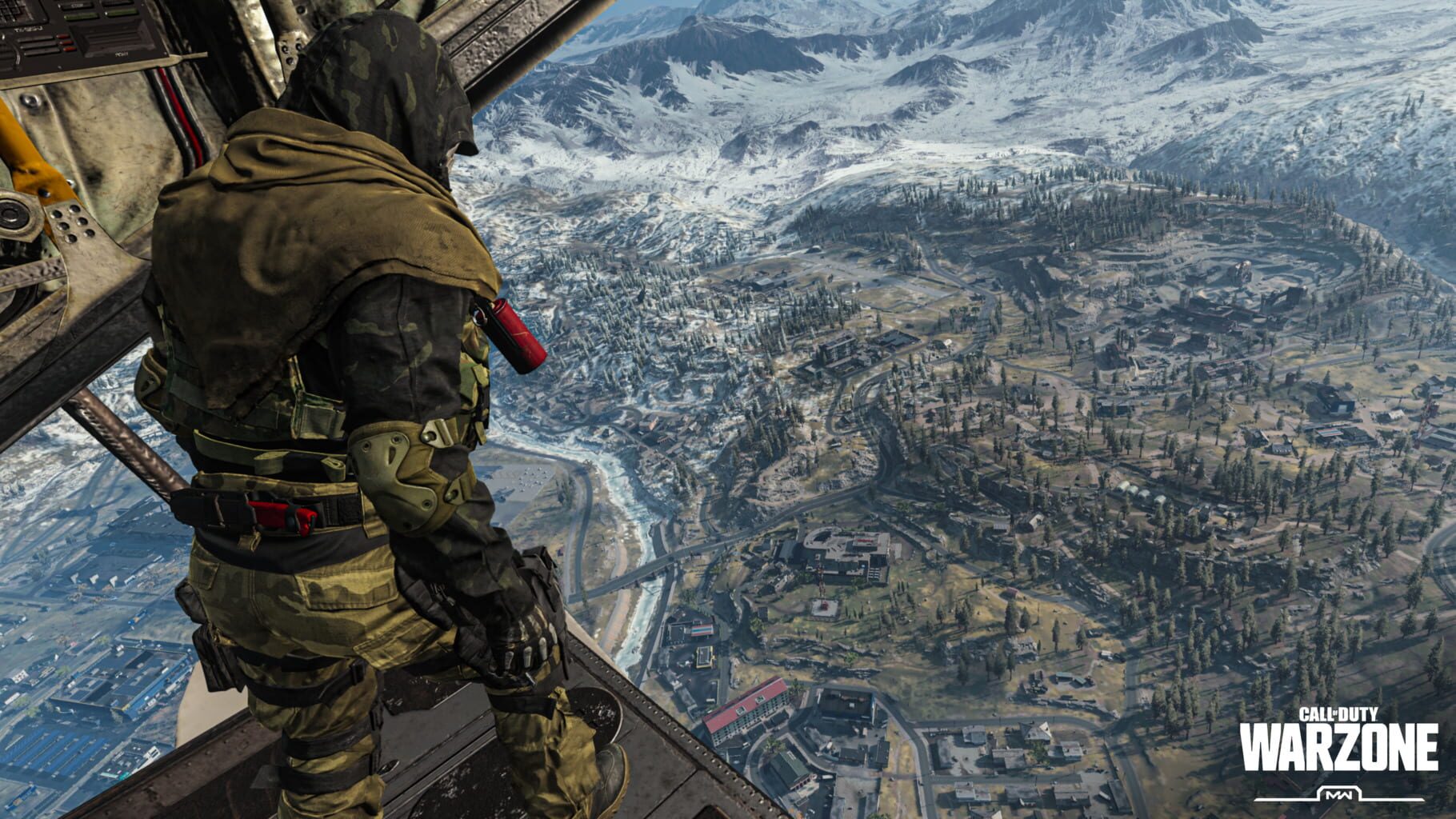
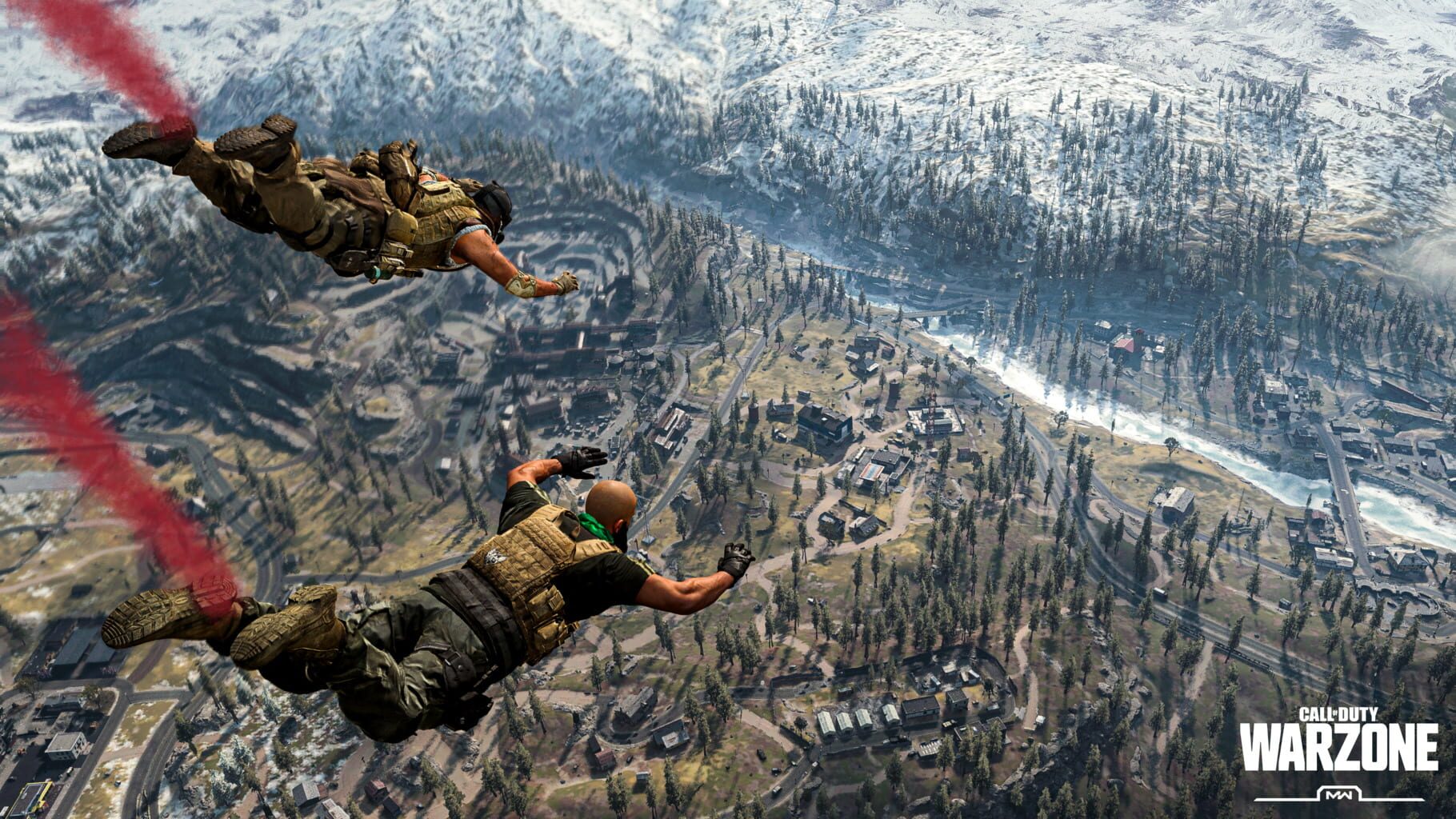
Free battle royale where 150 players drop in, loot up, and fight to be the last squad standing—with all the realistic military violence that implies.

Screenwise Verdict

Look, this is Call of Duty—you know what you're getting. It's a well-made, massively popular battle royale where the entire point is to shoot other players until you're the last one standing. The violence is realistic, the online environment can be toxic, and the competitive loop is designed to keep you playing 'just one more match.'

That said, if your teen is into gaming, they're probably already playing it or begging to. The good news: it's free, it's not pay-to-win, and it does develop legitimate skills like spatial reasoning, teamwork, and strategic thinking. Parents report that you can dial down the blood and gore in settings, though you're still shooting people.

The real concerns are the online interactions (voice chat with strangers can get ugly fast) and the time sink. Set boundaries, disable or monitor chat, and make sure your kid can handle both the violence and the inevitable trash talk. This isn't for younger kids, but for mature teens who can separate fantasy from reality, it's a competent shooter that's become a social hub.
Age Fit

This is realistically for teens 13+ who can handle realistic military violence and navigate toxic online interactions. Some parents report letting mature 10-12 year olds play with settings adjusted and chat disabled, but that's a family-by-family call based on your kid's maturity and your comfort with combat games.

WISE Breakdown
Wholesome
25

Warzone is a military combat shooter centered on eliminating other players. While settings allow parents to disable blood and gore, the core loop is realistic violence with gunfire, screams of pain, and occasional dismemberment. The tone is intense and militaristic, not emotionally nurturing. Online interactions can expose kids to toxic behavior and language from strangers.

Imaginative
45

Warzone offers tactical creativity in how players approach combat scenarios—choosing drop locations, loadouts, and strategies. The large map encourages exploration and spatial problem-solving. However, it's fundamentally a competitive shooter with prescribed mechanics, not a sandbox for open-ended creative expression. The 'imaginative' element is limited to tactical decision-making within a violent framework.

Safe
30

Users interact with strangers online in a competitive environment known for toxicity. While parents report violence settings can be adjusted, the game still features realistic combat, blood splatter, and dismemberment. ESRB notes 'realistic gunfire, screams of pain, and blood-splatter effects.' The free-to-play model and competitive nature can drive compulsive play patterns. Online voice/text chat exposes kids to unmoderated adult language and behavior.

Enriching
35

Warzone can develop spatial awareness, quick decision-making, team coordination, and strategic thinking. Players must manage resources, communicate with teammates, and adapt tactics. However, the skills are narrow—primarily reflex-based combat and competitive gaming. There's minimal narrative depth, ethical complexity, or real-world transferable knowledge. Entertainment value is high for the target demographic but cognitive growth is limited to gaming-specific skills.

Parent Info

Why It Might Be Great

  • Develops tactical thinking, spatial awareness, and team coordination under pressure
  • Free-to-play with no pay-to-win mechanics means skill matters more than spending
  • Settings allow parents to disable blood, gore, and profanity if they choose
  • Massive cultural phenomenon—your teen's entire friend group is probably playing it
  • Can teach resource management, quick decision-making, and strategic map awareness

What to Watch For

  • Realistic military violence including blood splatter, screams of pain, and occasional dismemberment even with settings adjusted
  • Online voice/text chat with strangers can expose kids to toxic language, bullying, and adult content
  • Competitive nature and 'one more match' design can lead to hours of play without breaks
  • Intense, fast-paced gameplay may be overstimulating for younger or sensitive kids
  • Requires maturity to handle losing repeatedly (you die a lot in battle royale games)

Conversation Starters

  • "What's your strategy when you drop in—do you go for high-tier loot zones or play it safe?"
  • "Have you encountered anyone being mean or toxic in voice chat? How did you handle it?"
  • "When you're playing with your squad, how do you decide who's the leader or who makes the calls?"
  • "What's the most creative way you've won a match or outsmarted another team?"
  • "How do you feel after playing for a couple hours—energized or drained?"

Ask Anything

Get a personalized guide on any topic

Related Guides