The Digital Hustle vs. The Physical Reality
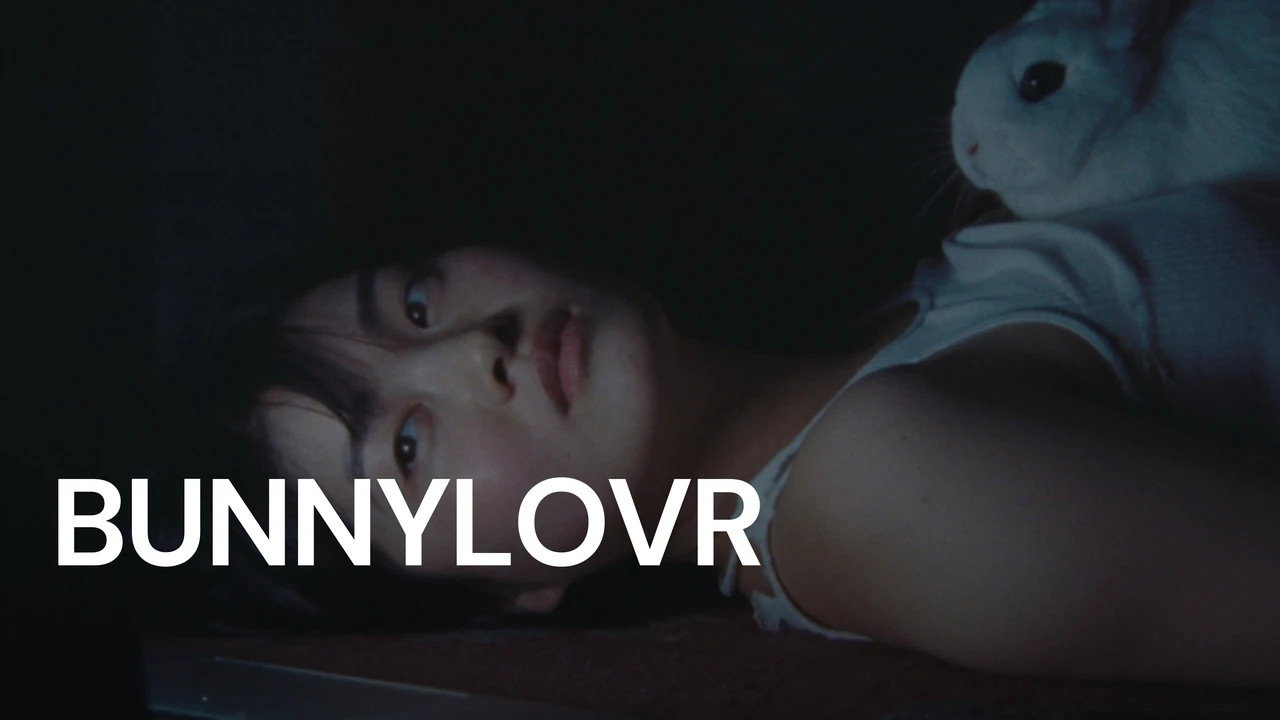
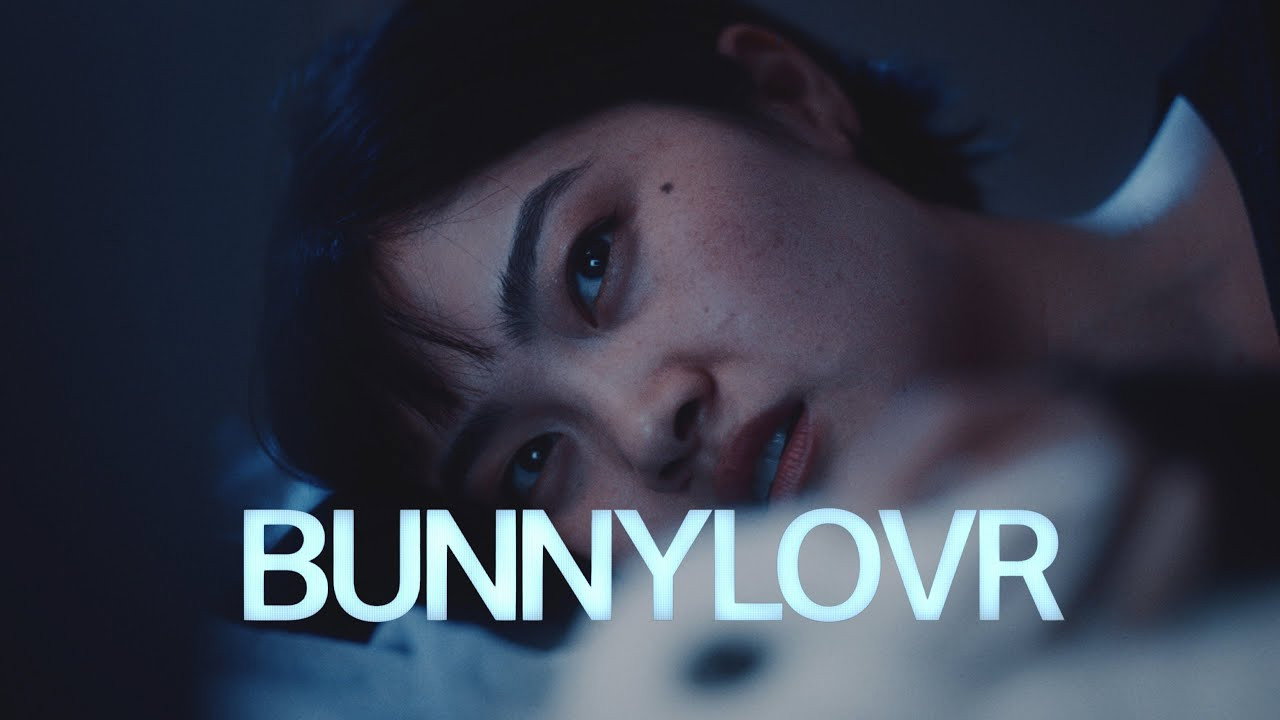
Bunnylovr sits in that uncomfortable space where the digital 'hustle' meets the crushing weight of real-world responsibility. It follows a drifting Chinese American woman who makes her living behind a webcam, a job that offers her a sense of control that her actual life—dominated by a dying, estranged father—completely lacks.
The film’s strongest asset is its refusal to judge its protagonist. It treats camming as labor, with all the technical setups, emotional performance, and safety risks that come with it. However, the 'toxic client' subplot is where the movie leans into thriller territory, and it might feel a bit jarring compared to the quiet, somber scenes in the hospital.
Why the Mixed Reviews?
With a 62% on Rotten Tomatoes, critics are lukewarm. Some praise the lead performance for its vulnerability, while others find the pacing to be glacial. It suffers from 'Indie Movie Syndrome'—lots of long stares, neon lights, and meaningful silences that don't always pay off. If you liked movies like Zola or Cam, you’ll recognize the DNA here, but Bunnylovr is much more interested in the family drama than the digital thrill.
Ultimately, it’s a film about boundaries. The boundary between the screen and the person, between the past and the present, and between what we owe our parents and what we owe ourselves. It’s not a 'must-watch,' but for fans of contemporary A24-style dramas, it’s a solid enough entry.