The "Training Wheels" for Action Games
If you are looking for a way to teach a six-year-old how to use both thumbsticks at the same time without the stress of a high-stakes shooter, this is the gold standard. Most modern games expect a level of "controller literacy" that kids just don't have yet. Boomerang Fu strips everything back to the basics: move with one stick, aim and throw with the other.
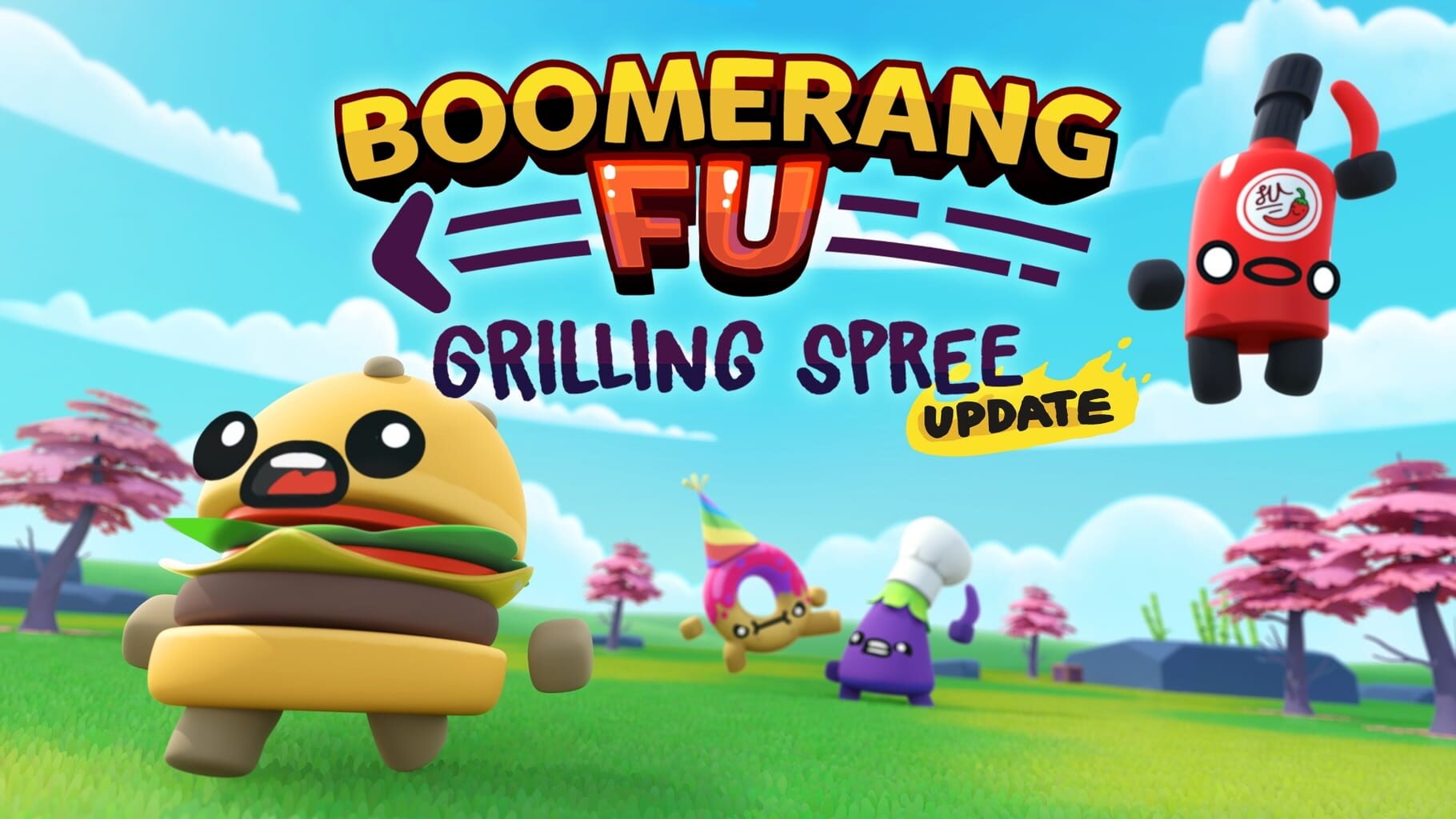
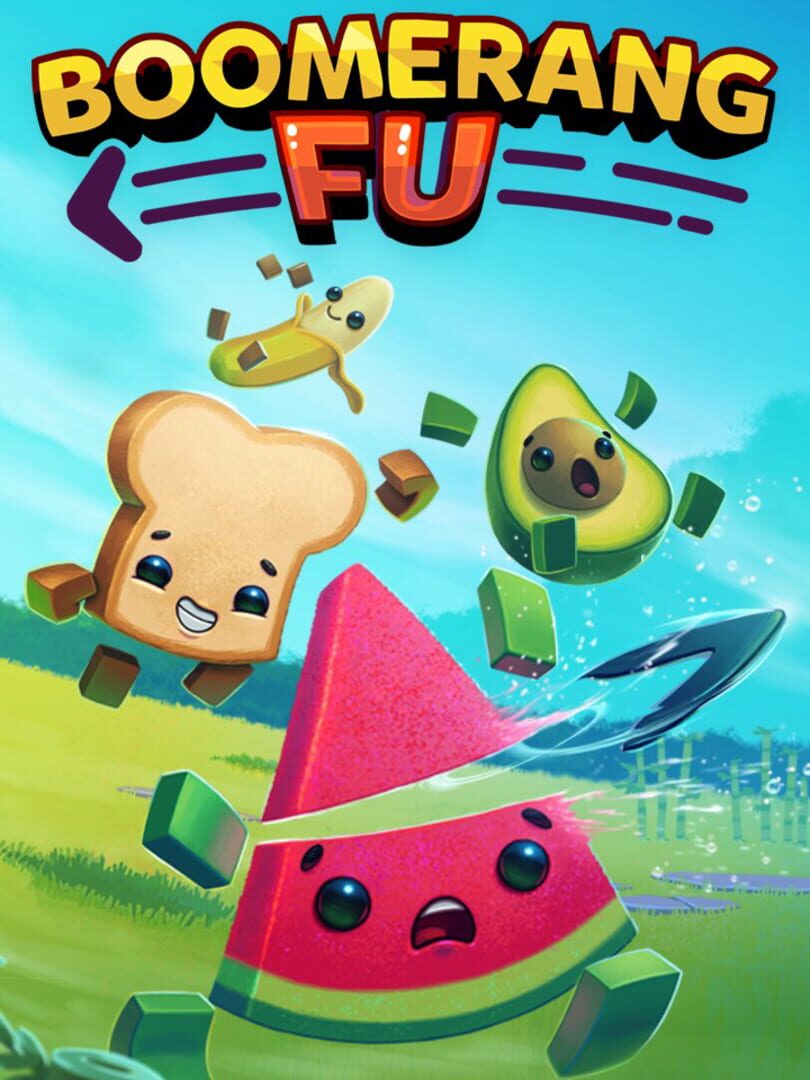
Because the characters are literal sticks of butter, slices of watermelon, and cartons of milk, the "violence" feels more like a food fight than a combat sim. It uses the same spatial awareness and twitch reflexes found in more intense genres, making it a perfect bridge to non-violent shooter alternatives later on. The rounds are over in seconds, which is the best possible design for kids who haven't quite mastered their frustration tolerance.
The Power-Up Equalizer
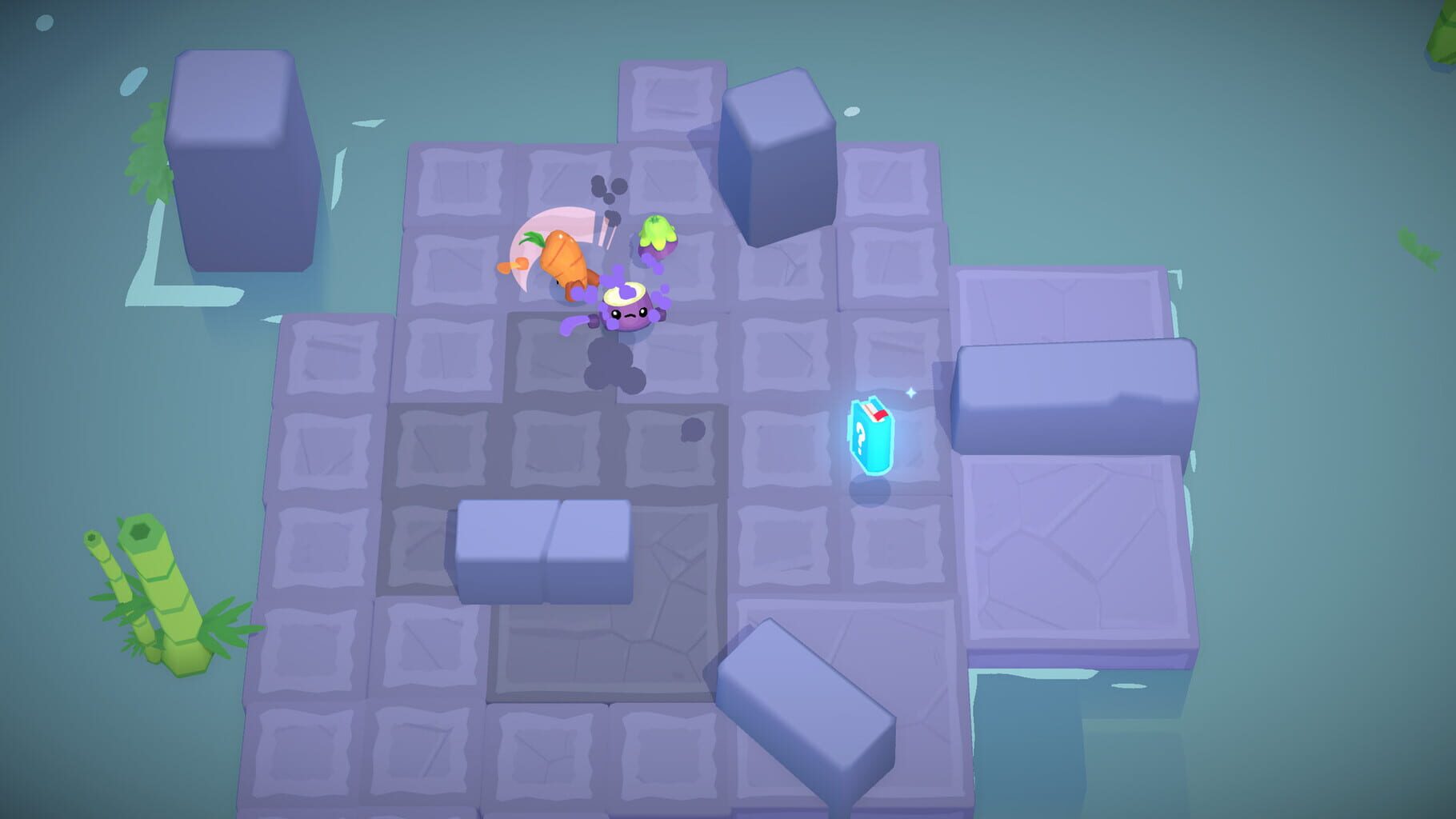
The genius of the game lies in how it handles stackable power-ups. You might start with a basic boomerang, but after a few rounds, you’ve picked up fire trails, ice blasts, and the ability to teleport. These upgrades stack on top of each other, turning a simple game of tag into a chaotic, explosive mess where a lucky novice can easily take out a "pro" older sibling.
This unpredictability is the great equalizer. In many fighting games, the person who knows the combos wins 100% of the time. Here, a well-placed explosive boomerang or a sudden decoy can flip the leaderboard. It keeps the skill gap from feeling like a chasm, which is usually where the "this isn't fair" meltdowns begin.
The Local Multiplayer Logistics
You need to know going in that this is almost strictly a "couch" experience. While it’s available on PC, PlayStation, Xbox, and Switch, the magic happens when everyone is in the same room. The AI bots are decent enough to fill out a match, but they don't replace the experience of shouting at your cousin because they turned you into a frozen block of tofu.
Since the game supports up to six players, it's one of the few titles that actually justifies owning a bunch of extra controllers. If you're hosting a birthday party or a holiday gathering, this is the game you pull out to keep a group of kids occupied while the adults actually finish a conversation. It’s indestructible in a group setting. You can drop in, play for fifteen minutes, and walk away without feeling like you’ve lost progress or missed a story beat.
Why It Sticks
With an IGDB score in the low 70s, critics recognize it for what it is: a tightly scoped, polished arcade experience that doesn't try to be a 100-hour epic. It’s a specialized tool for a specific job. It won't replace a kid's obsession with a massive sandbox world, but it will become the game they ask to play every time a friend comes over.
The lack of online chat and in-game purchases makes it a zero-maintenance choice for parents. You don't have to check for updates, manage a digital wallet, or worry about who they are talking to. You just turn it on, pick a food item, and start throwing sticks. It’s pure, uncomplicated fun that respects your time and your kid's developing brain.