The gold standard of "Prestige" nature
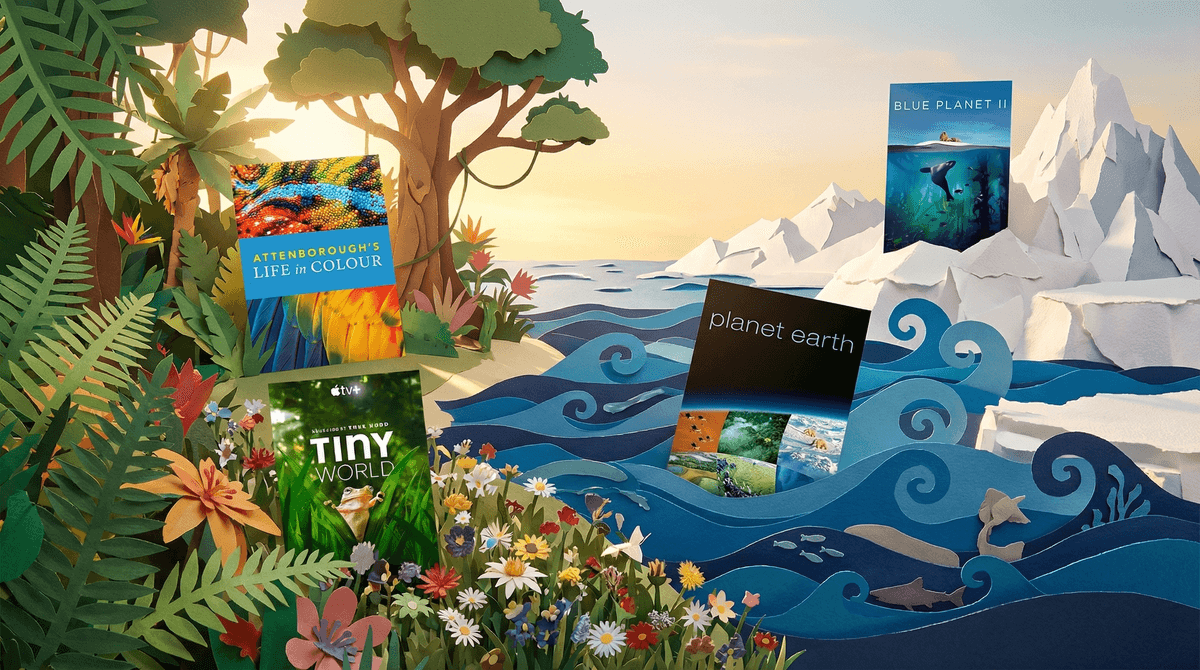
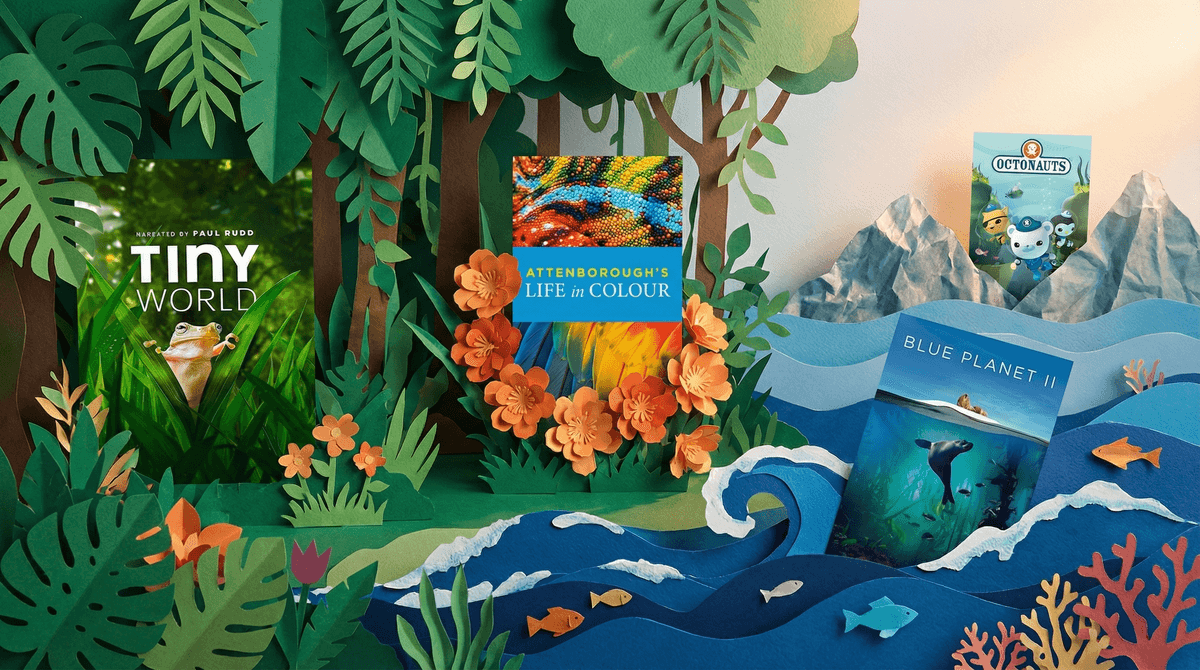
If you’ve spent any time looking for something to watch with a kid that won’t make your own brain leak out of your ears, you’ve probably landed on David Attenborough. But Blue Planet (specifically the 2017 sequel, Blue Planet II) is the one that actually lives up to the hype. It’s the visual equivalent of a tech demo for your living room TV.
While many documentaries feel like a collection of b-roll footage with a script slapped on top, this series treats every animal like a character in a high-stakes drama. You aren't just watching a fish; you’re watching a tusk fish use a specific rock as a tool to crack open a clam. It’s that level of specificity that keeps kids from checking out. If your household is already deep into navigating a nature obsession, this is the undisputed peak of the genre.
The "Circle of Life" intensity
Nature documentaries have a sliding scale of intensity. On one end, you have the "peaceful scenery" vibe, and on the other, you have the "everything is eating everything else" vibe. Blue Planet sits firmly in the middle, but with high-definition clarity.
The predation isn't gory, but it is heavy on the suspense. When an orca launches a seal into the air, the camera doesn't blink. For a seven-year-old, this is usually the sweet spot of "cool" rather than "traumatizing," but it’s worth knowing that the show doesn't sugarcoat the survival of the fittest. If you have a child who gets genuinely distressed by the concept of a food chain, you might want to check out our guide on choosing age-appropriate wildlife content before you dive into the deep end here.
Handling the "Big Feelings" about the ocean
The final episode of the series is famous for a reason. It moves away from the "look how cool this octopus is" energy and stares directly at the problems facing the ocean—specifically plastic pollution and warming waters.
It’s a tonal shift that can catch a kid off guard if they’ve spent the last six hours just vibing with bioluminescent jellyfish. However, it’s also the most useful part of the show for parents. It turns a passive viewing experience into an actual conversation about stewardship. Instead of just being a "cool show about fish," it becomes a launchpad for teaching kids about conservation without the conversation feeling like a lecture.
If your kid liked Wild Kratts
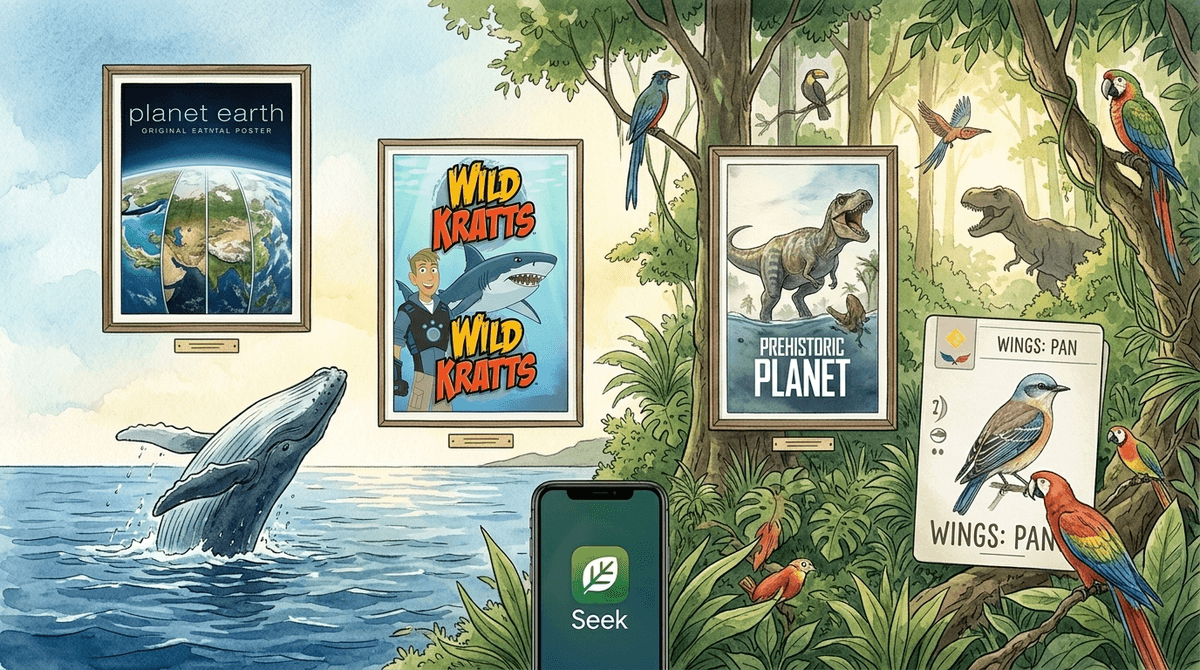
This is the logical "level up." Where Wild Kratts uses animation to explain creature powers, Blue Planet shows the real-world version of those "powers" in a way that feels like science fiction. The transition from the colorful, fast-paced world of PBS Kids to the sweeping, orchestral cinematic style of a BBC production is a big jump, but the visuals are so arresting that most kids make the leap without complaining about the slower pace. It’s the rare show that works just as well for a 40-year-old as it does for a 2nd grader.