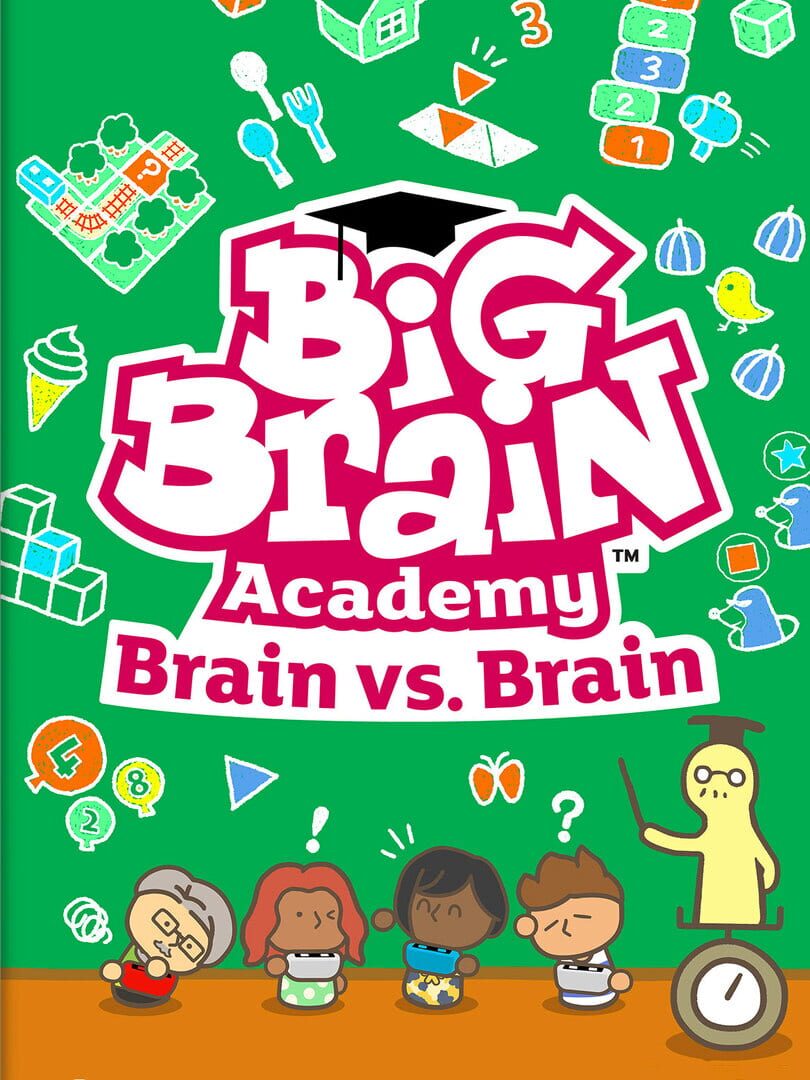
This is what Nintendo does well: taking a potentially dry concept (brain training) and making it genuinely fun for the whole family. The adaptive difficulty is the secret sauce—it solves the age-old problem of family game nights where someone always gets crushed.
It's not going to blow anyone's mind with creativity or narrative depth, but that's not the assignment. It's a solid, wholesome brain workout that sneaks real cognitive benefits into a colorful party game wrapper. Parents will appreciate that kids are actually building skills (working memory, visual processing, quick thinking) while having fun.
The Ghost Clash mode is smart design—all the satisfaction of competing globally without any of the chat toxicity or stranger danger. And no predatory monetization is refreshing in 2021.
Biggest limitation: replay value varies wildly by kid. Some will obsess over beating their scores; others will play a few rounds and move on. It's more "digital puzzle book" than "can't-put-it-down adventure," but for what it is, it's well-executed and genuinely useful for family game rotation.
Age Fit
Common Sense Media pegs this at 8+, which feels right for independent play. Younger kids (6-7) can absolutely participate in family multiplayer with the easier difficulty settings, but the timed pressure and score focus might frustrate them solo. Upper limit is around 13-14 for sustained interest—teens might play occasionally with family but won't choose it over other games.
WISE Breakdown
Wholesome
92
Clean, positive competition with no toxic elements. The multiplayer design actively encourages family play with adjustable difficulty levels so kids can compete fairly with adults. ESRB notes mild cartoon violence (likely just visual gags in minigames), which is negligible. The tone is upbeat and supportive.
Imaginative
68
This is fundamentally a brain-training puzzle collection, not a creative sandbox. The 20 minigames test memory, pattern recognition, and problem-solving but don't invite open-ended building or expression beyond unlocking avatar costumes. It's clever and varied within its genre, but imagination isn't the point here—mental exercise is.
Safe
88
Very safe overall. No in-app purchases despite ESRB listing (likely referring to Nintendo Switch Online subscription for online features). No chat, no loot boxes. Ghost Clash mode lets you compete against other players' recorded data rather than live opponents, eliminating toxic interaction risk. Only minor ding: the competitive framing could stress some kids, but difficulty customization mitigates this well.
Enriching
81
Genuinely exercises working memory, visual processing, spatial reasoning, and quick thinking across varied activities. The practice mode lets kids drill specific skills. It's educational without being preachy—kids are actually building cognitive abilities while having fun. Not deeply meaningful in an emotional or ethical sense, but solid brain workout that transfers to real-world skills.
Parent Info
✓
Why It Might Be Great
Actually levels the playing field—each player picks their own difficulty, so family game night doesn't end in tears when the 8-year-old competes against dad
20 quick minigames that genuinely exercise memory, pattern recognition, and problem-solving without feeling like homework
Ghost Clash mode is brilliant: compete against other players' recorded performances worldwide without any of the toxicity of live multiplayer
Practice mode lets kids drill specific skills they want to improve—it's scaffolded learning disguised as a game
Clean, cheerful Nintendo polish with goofy costume unlocks (corn costume, anyone?)
⚠
What to Watch For
Some kids get stressed by timed challenges and score comparisons—if your kid melts down over competitive games, ease in gently
It's a brain workout, not a story or creative sandbox—think of it more like a digital puzzle book than an adventure
Replay value depends on your kid's personality: some will grind to beat their high scores, others will lose interest after a few sessions
Conversation Starters
"Which activity was hardest for you? Why do you think your brain found that one tricky?"
"Did you notice yourself getting faster at the memory games after practicing? That's your brain literally building new connections!"
"When you picked your difficulty level, how did you decide what felt right? Was it too easy or too hard?"
"If you could design a new brain game for this, what would it test?"