Our reviews and ratings are 100% unbiased. Screenwise is a Bookshop.org affiliate and an Amazon Associate, so if you buy a book through one of our links, we may earn a commission. Bookshop.org purchases also support independent bookstores.
Screenwise Verdict
This is the kind of book that stays with you—and not always comfortably. Sepetys has written a devastating, important work that brings light to a dark corner of history most people don't know about. The writing is beautiful, the characters are vivid, and Lina's courage is inspiring.
But let's be clear: this is a tough read. Kids die. Families are ripped apart. The suffering is constant. Parent and kid reviews all say the same thing—it's sad, it's heavy, and it's a lot. If your teen is ready for that level of emotional intensity, this is a profoundly enriching book that builds empathy and historical understanding.
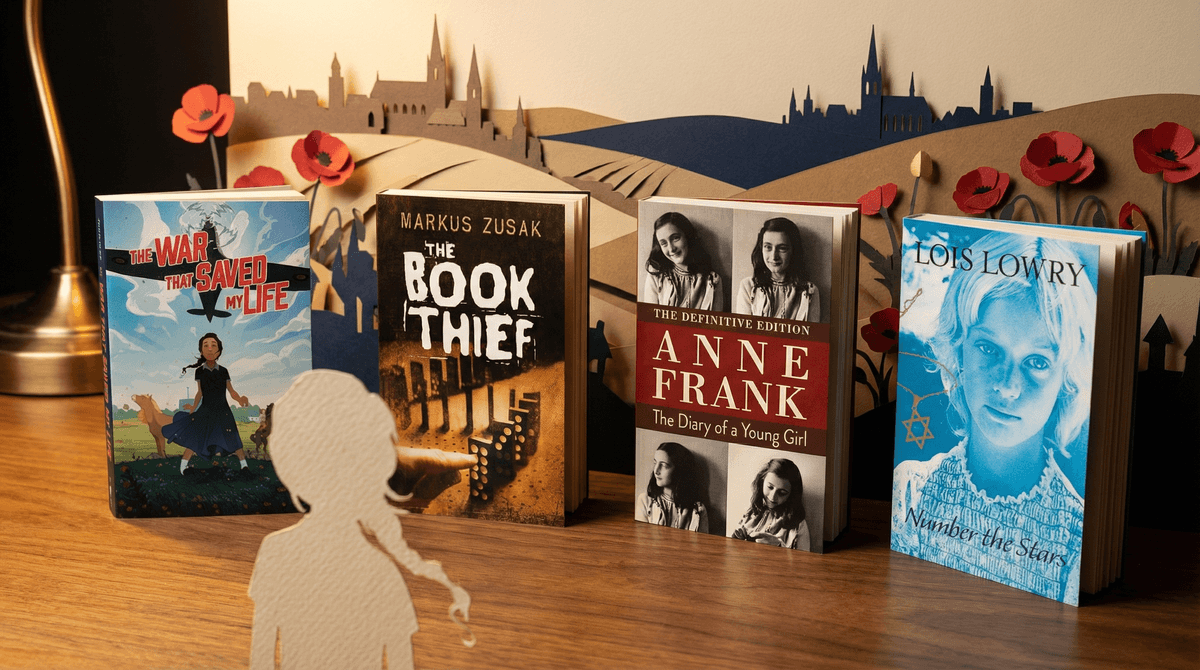
If they're sensitive, younger, or not in a good headspace? Wait. This isn't Number the Stars. It's closer to Night by Elie Wiesel in terms of emotional weight. For the right reader at the right time, it's a must-read. For everyone else, it can wait.
Age Fit
Best for mature 14+ readers who can handle emotionally intense historical trauma. The literary quality and educational value are exceptional, but younger or sensitive kids will be overwhelmed by the relentless sadness and violence.
WISE Breakdown
Wholesome
72
Models extraordinary resilience, family bonds, and human dignity under unimaginable circumstances. The emotional tone is mature and heavy—dealing with deportation, starvation, death, and trauma—but handled with literary grace rather than gratuitous detail. Not chaotic, but deeply sad. The protagonist's courage and her family's love anchor the story, though the subject matter is inherently dark.
Imaginative
78
Sepetys brings a largely unknown chapter of WWII history to vivid life through Lina's artist perspective—her secret drawings become both survival tool and narrative device. The creative framing elevates this beyond standard historical fiction. It doesn't invite hands-on creativity or exploration, but it opens a window into an experience most readers have never encountered, which sparks historical curiosity and empathy.
Safe
58
This is emotionally brutal material: Soviet deportations, cattle cars, labor camps, starvation, disease, infant/child deaths, torture references, and pervasive fear. Parent reviews confirm 'a lotttt of sad parts' and 'violent and upsetting themes.' The writing isn't graphic or gratuitous, but sensitive kids will be devastated. It's the kind of book where you know what you're getting into from the synopsis, so it's not a shock in that sense—but the cumulative emotional weight is heavy. Not appropriate for younger or sensitive readers without preparation.
Enriching
92
This is a profoundly enriching work. It educates readers about Soviet atrocities against Baltic states—history often overlooked in Western curricula. It builds empathy, grapples with injustice, survival, and moral courage. The literary quality is high (NYT bestseller, Carnegie Medal nominee, Golden Kite winner), and it offers meaningful takeaways about resilience, family, and bearing witness. For mature readers ready for the content, this is transformative historical literature.
Parent Info
✓
Why It Might Be Great
Illuminates a largely unknown Holocaust-adjacent atrocity (Soviet deportation of Baltic peoples) with literary grace
Lina's artistic perspective and secret drawings add a creative dimension to the survival narrative
Models extraordinary family loyalty, resilience, and human dignity under inhuman conditions
Award-winning writing (Golden Kite, Carnegie nominee) that treats readers with intelligence and respect
Genuinely educational—most teens have never heard about this chapter of WWII history
⚠
What to Watch For
Emotionally devastating content: deportation, labor camps, starvation, disease, deaths of children and babies
Not for sensitive readers or anyone under 13-14—parent reviews consistently flag the heavy, upsetting themes
The cumulative sadness is relentless; even mature teens may need processing time or conversation
Some torture and violence references, though not gratuitously detailed
Conversation Starters
"Had you heard about the Soviet deportations before reading this? Why do you think this history isn't taught as much as the Holocaust?"
"How did Lina's art help her survive? When have you used creativity to cope with something hard?"
"What would you have done in Lina's situation—would you have tried to stay hopeful or just focused on survival?"
"The book shows how ordinary people can become complicit in atrocities. How do you think that happens?"
"What do you think about the ending? Was it satisfying, or did you want more closure?"