The BookTok gateway drug
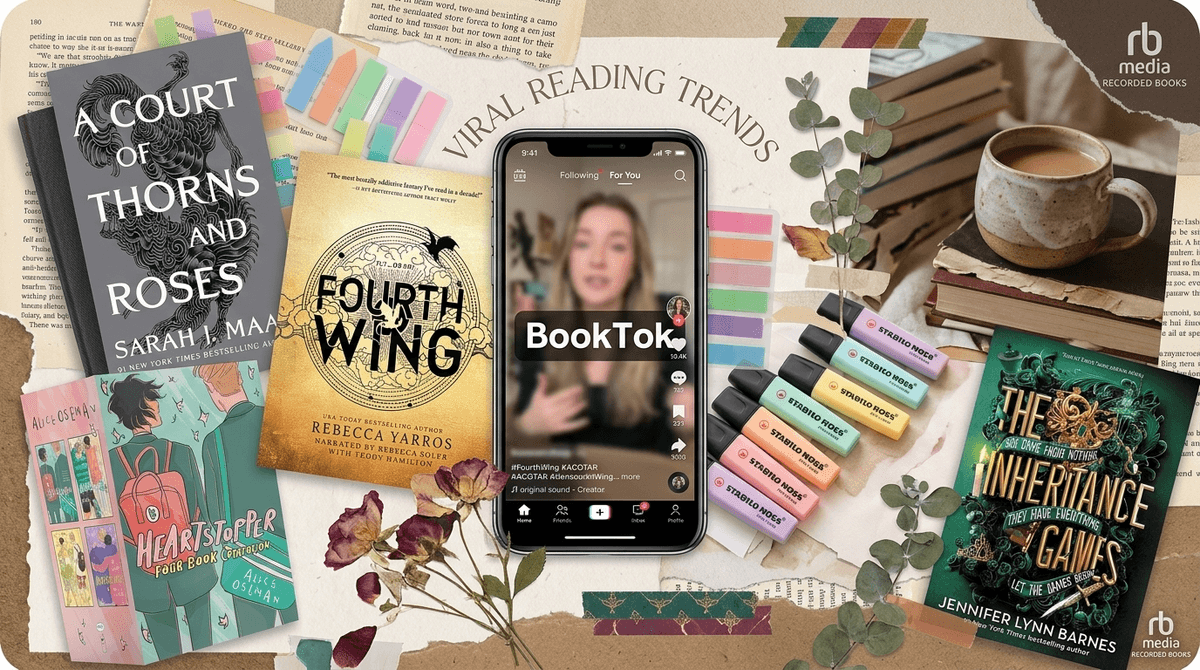
If your teen is suddenly carrying around a physical paperback with a bright, cartoonish cover, there is a high statistical probability they found it on social media. Lynn Painter is a heavyweight in that world for a reason. While a lot of the viral "romantasy" or contemporary romance titles trending right now lean heavily into explicit content, this book is the wholesome exception that proves the rule.
It is the perfect entry point for understanding BookTok and what teens are actually reading because it hits all the satisfying tropes—fake dating, the boy next door, enemies-to-lovers—without the "spice" that usually makes parents nervous. If you’ve been trying to navigate romance and mature themes in YA books, consider this your safe harbor. It’s sweet, it’s funny, and it’s genuinely well-written.
The "Main Character Energy" friction
The central conflict isn't just about which boy Liz picks. It’s about her obsession with "main character energy." Liz views her life through a cinematic lens, specifically the lens of 90s and early 2000s romantic comedies. This makes her a slightly unreliable narrator because she is so busy trying to force her life into a scripted montage that she misses the actual human connections happening in front of her.
For a generation of kids raised on curated Instagram feeds and TikTok aesthetics, Liz’s struggle is incredibly relatable. She isn't just a "hopeless romantic"; she is someone using tropes as a shield against the messiness of real life. It’s a great jumping-off point to talk about the difference between a "perfect" moment captured for a screen and a real, awkward, meaningful moment that no one else sees.
The soundtrack to the story
One of the best things about this book is how it uses music. Each chapter is essentially "scored," and the references to Taylor Swift and classic rom-com soundtracks aren't just window dressing. They are the language Liz uses to process her world.
If your kid is a music obsessive, this book will click in a way others won't. It treats a playlist with the same emotional weight as a dialogue scene. It also serves as a brilliant bridge to older media. After reading this, don't be surprised if they actually want to sit down and watch You’ve Got Mail or 10 Things I Hate About You with you. It’s one of those rare modern works that pays genuine homage to the classics without feeling like a dusty history lesson.
Why the "Dead Mom" trope works here
Usually, the "missing parent" in YA feels like a cheap way to give a character an edge. Painter handles it differently. Liz’s mother was the one who shared her love for these movies, so Liz’s obsession is actually a form of grief. Every time she tries to create a movie-perfect moment, she’s trying to reconnect with her mom. This adds a layer of emotional depth that keeps the story from feeling like a shallow "who will she choose" triangle. It’s a story about how we carry the people we've lost into our new chapters, which makes the eventual happy ending feel earned rather than inevitable.