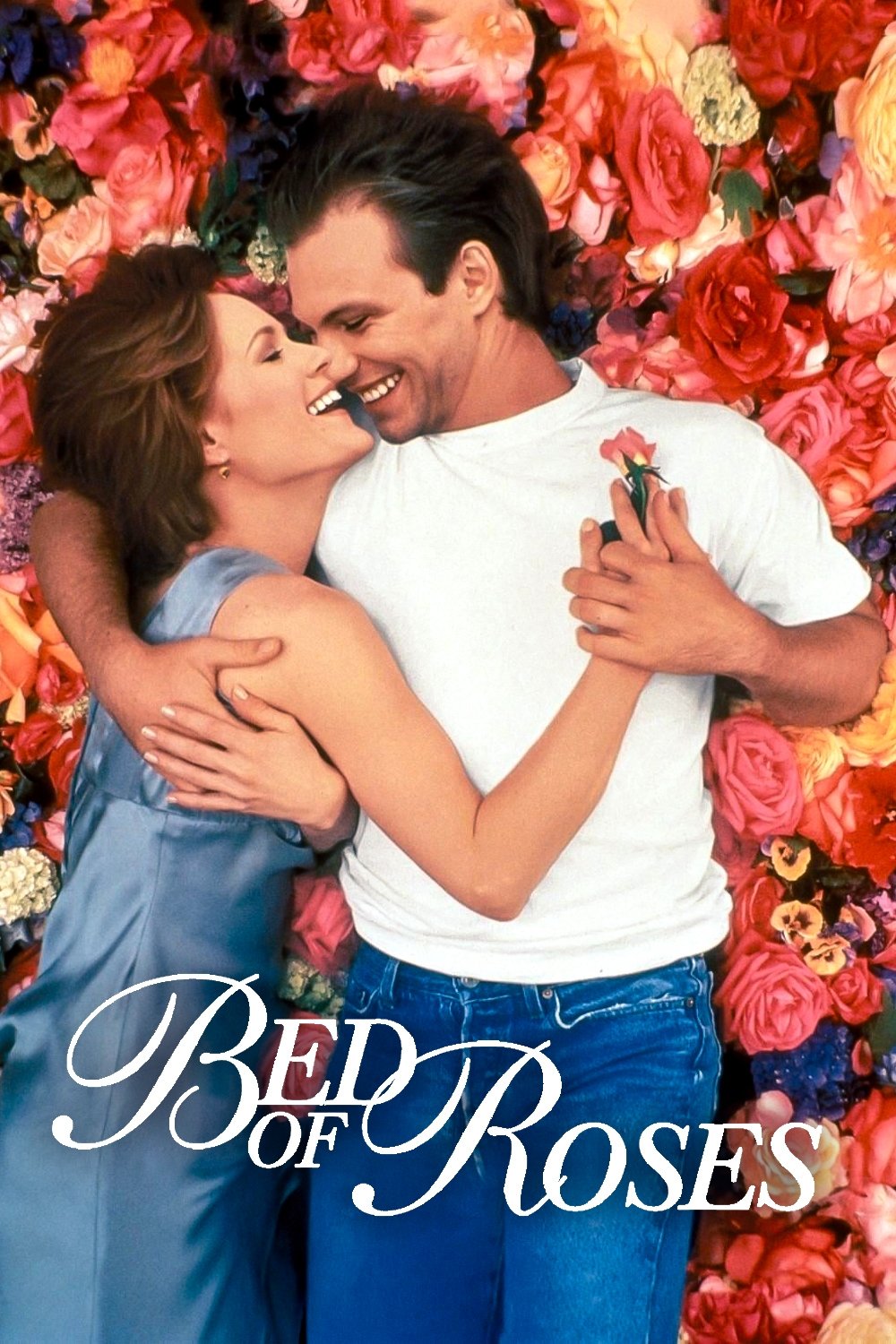
The "Secret Admirer" problem
If you watch this through a 2026 lens, the central hook feels less like a fairy tale and more like a security risk. The plot hinges on a man who sees a woman crying through a window and decides the best course of action is to send her flowers anonymously and then follow her around. In 1996, this was marketed as peak sensitivity. Today, we call it a boundary issue.
The gap between the 19% critic score and the 67% audience score on Rotten Tomatoes tells you exactly what’s happening here. Critics saw a thin, logic-stretching plot that rewards persistence over consent. The audience, meanwhile, is mostly there for the aesthetic. This movie is a vibe check for mid-90s New York: rainy streets, massive floral arrangements, and that specific brand of moody lighting that makes every apartment look like a high-end furniture catalog.
Career as a character flaw
One of the most dated aspects of the film is how it treats the female lead’s job. She’s a "workaholic" investment banker, which the movie frames as a spiritual sickness that only a florist can cure. It’s a classic trope of the era: the high-powered woman who has "forgotten how to live" until a whimsical man shows her the beauty of a rose.
If you’re watching this with a teenager, it’s a perfect example of how movies used to punish women for being ambitious. The "fairy-tale fantasies" mentioned in the synopsis aren't just about flowers; they are about her giving up her agency to fit into his low-stress, floral-scented world. It’s not a compromise; it’s a surrender.
The sick-day utility
Even though the movie is objectively mediocre, it has one specific use case: the background watch. Because the conflict is so low-stakes and the visuals are so soft, it’s the kind of thing you can put on when you’re home with a head cold and don't want to think. There are no sudden loud noises, no jarring plot twists, and zero intellectual demand.
If your kid is interested in the genre because they’ve seen modern "cozy" romances on social media, use this as a teaching tool for how the genre has evolved. You can point out how modern romances usually involve more actual talking and fewer anonymous gifts. Common Sense Media rates this for ages 11+, and that’s purely because of its "safe" nature, not because an 11-year-old would find a 30-year-old banker’s mid-life crisis remotely interesting.
Unless you have a deep, inexplicable craving for 90s knitwear and floral shop interiors, your time is better spent elsewhere. This movie didn't just age poorly; it started from a place of weak storytelling and stayed there.