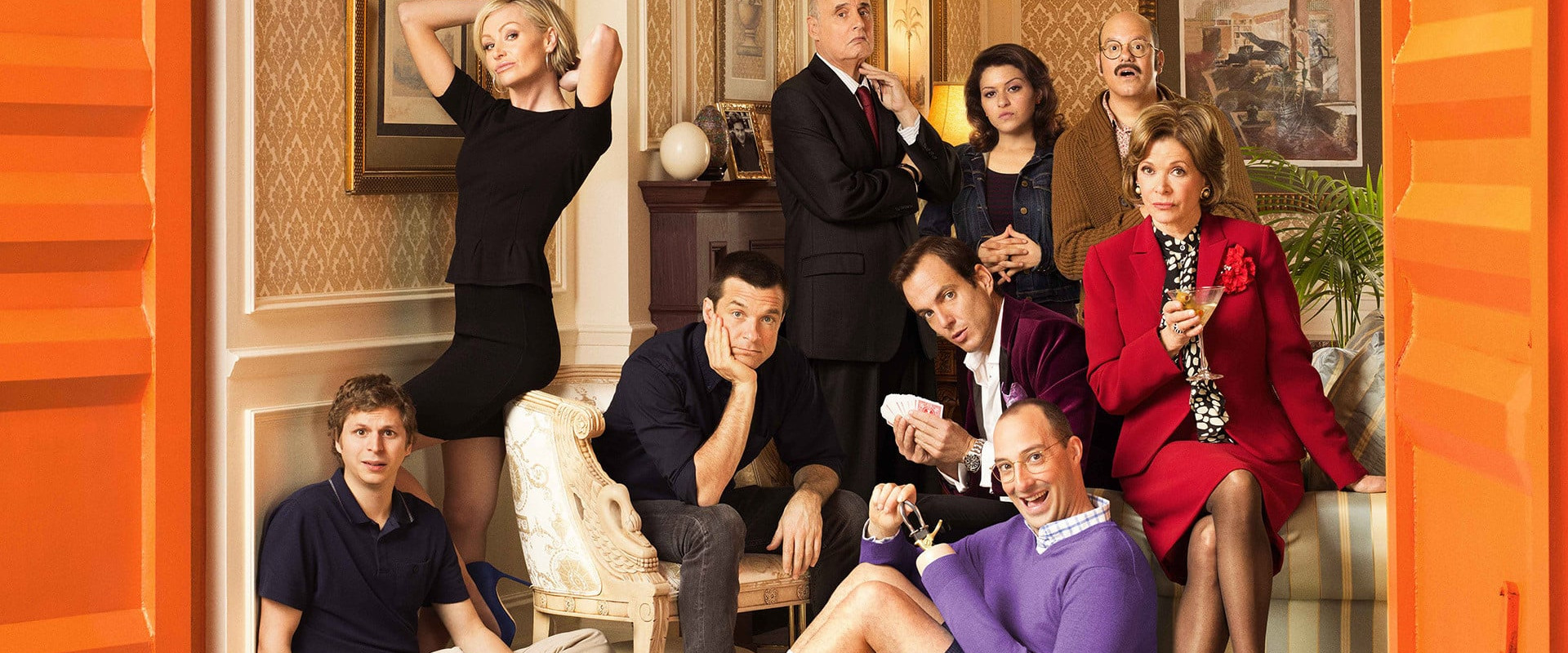
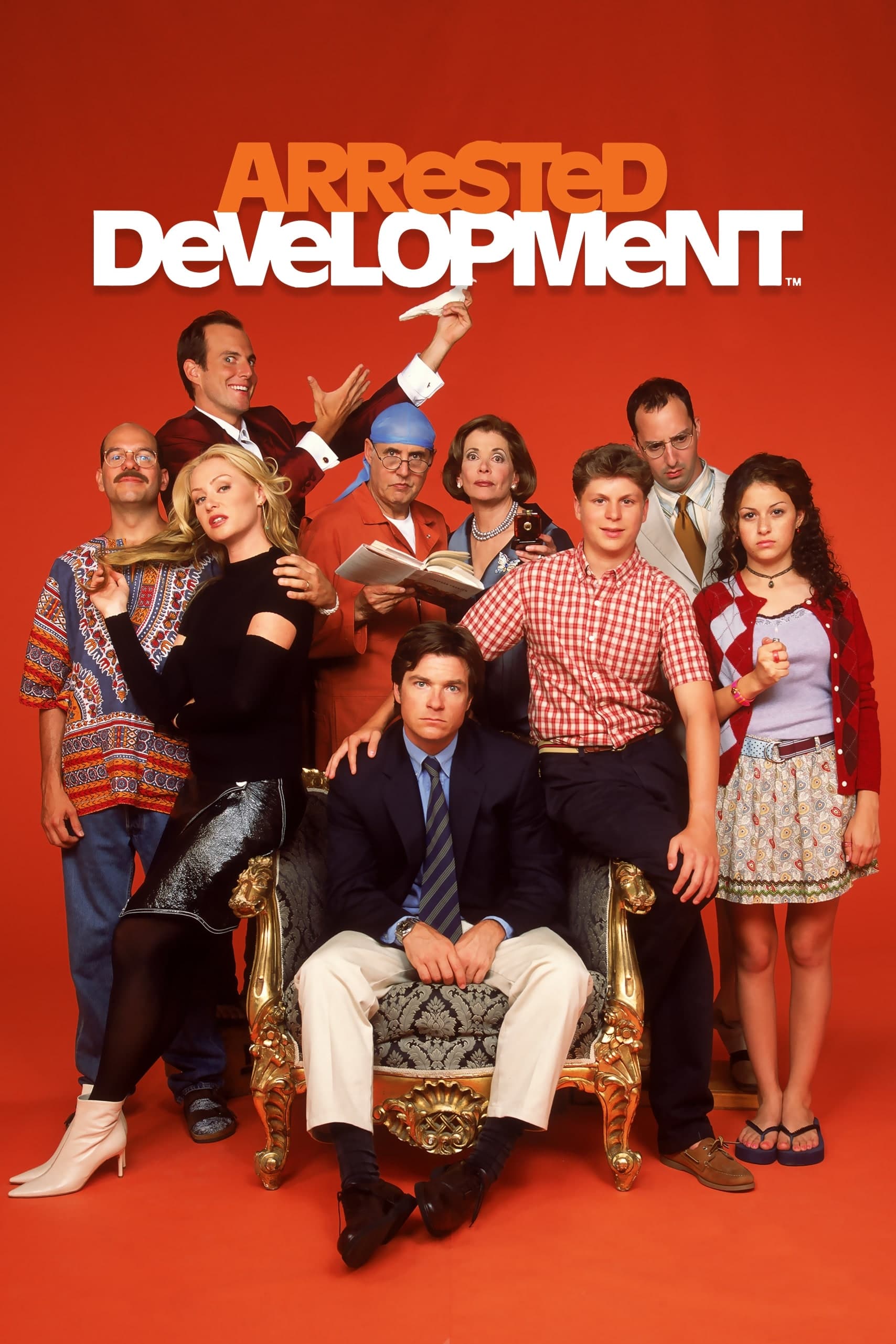
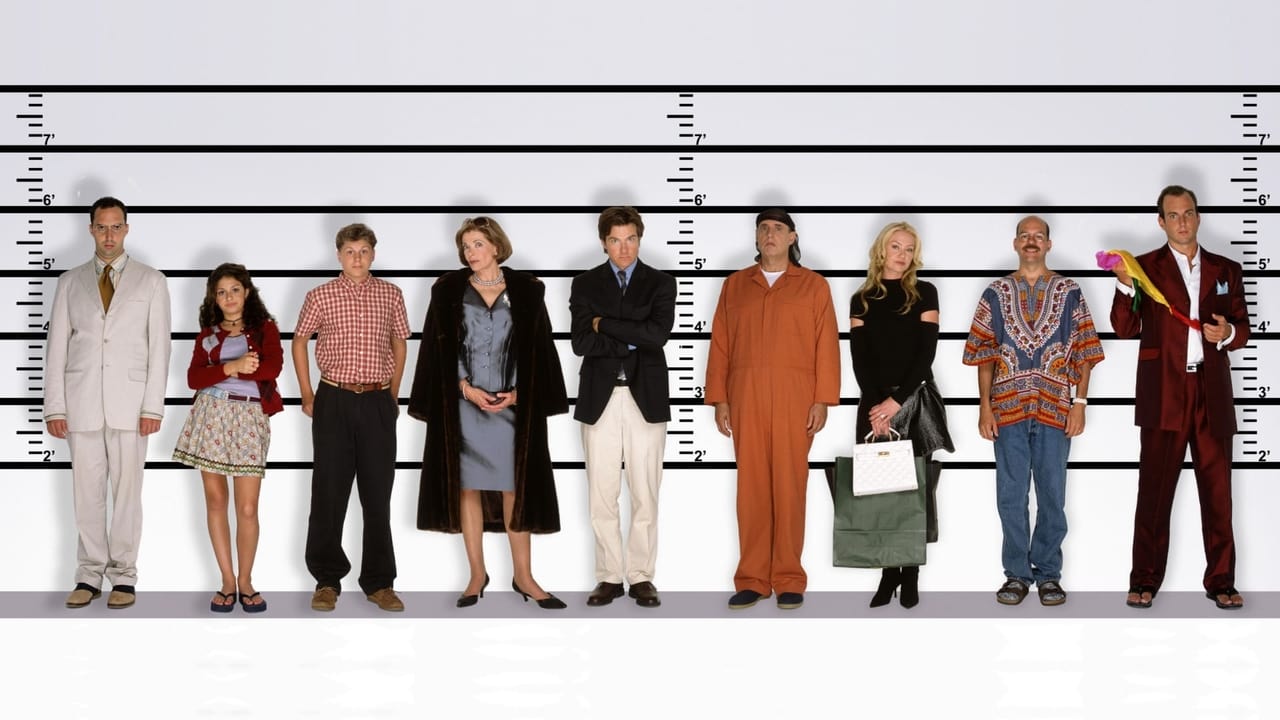
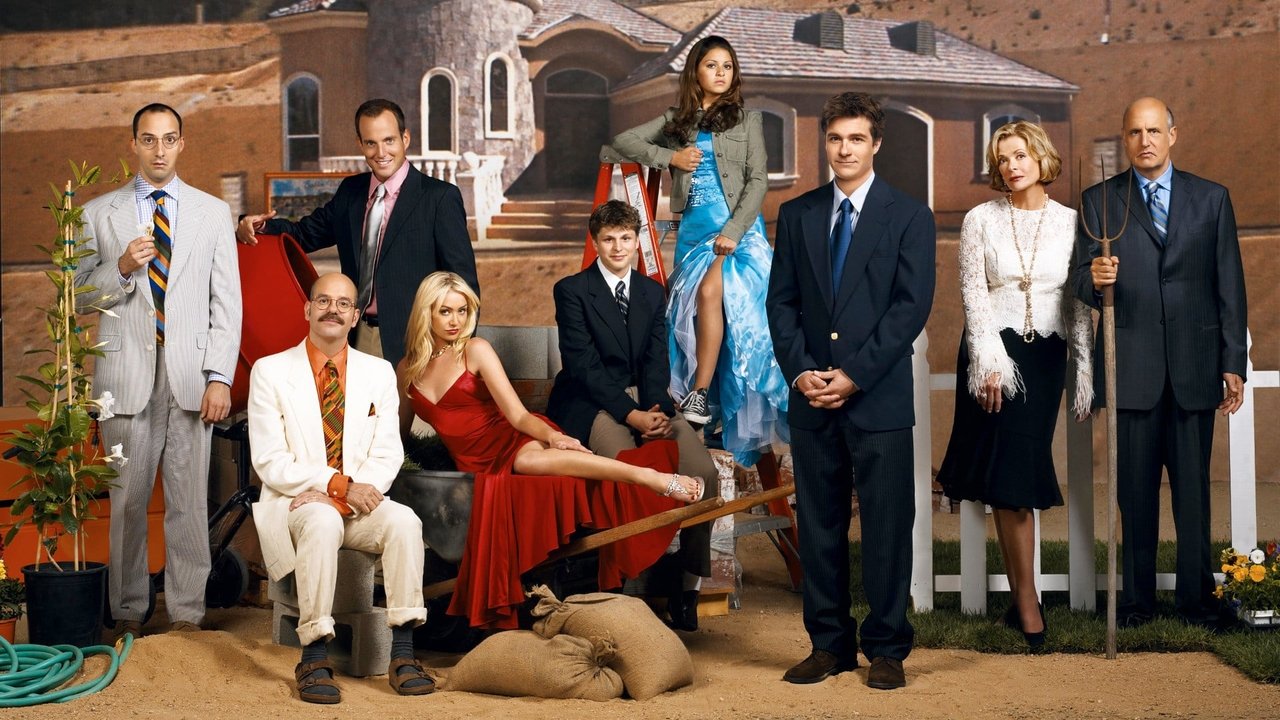
The comedy that treated viewers like adults
When Arrested Development hit network television in 2003, it broke the standard multi-camera sitcom mold. No laugh track, handheld cameras, documentary cutaways, and a narrator who openly corrected the characters. Instead of wrapping up conflicts in twenty-two minutes, the show built intricate web-like arcs where a throwaway line in episode two paid off in episode twelve.
For a teenager used to algorithm-driven sketch humor or sitcoms where every punchline gets paused for a studio chuckle, this show is a palate cleanser. It teaches comedic literacy. You watch an episode and realize three jokes happened in the background while two characters were arguing in the foreground.
Where the original run shines
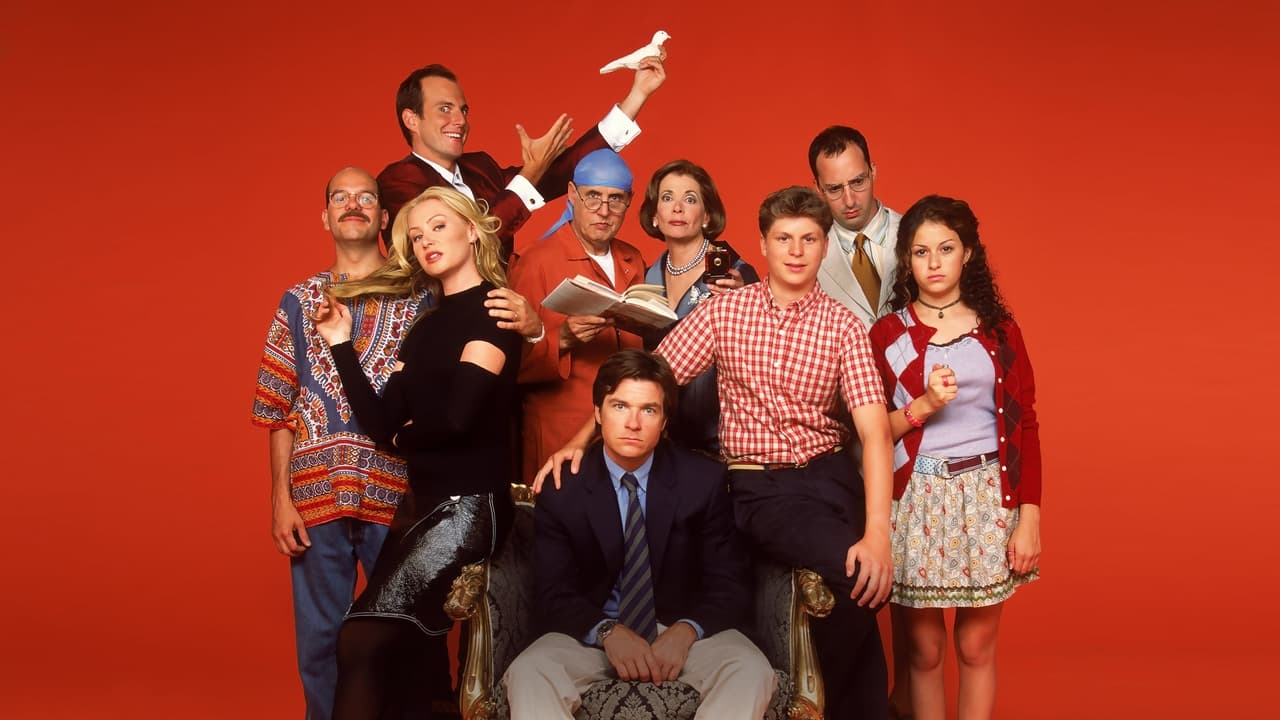
The gold standard here is strictly seasons one through three. The pacing is relentless, Jessica Walter and Jeffrey Tambor are at their absolute peak of oblivious privilege, and Jason Bateman anchors the chaos as the supposedly rational center.
"I mean, it's one banana, Michael. What could it cost, ten dollars?"
Lucille Bluth's famous line summarizes the entire satire: wealthy people so detached from reality that basic daily life is a foreign concept. Teens pick up on that critique quickly.
The later Netflix seasons
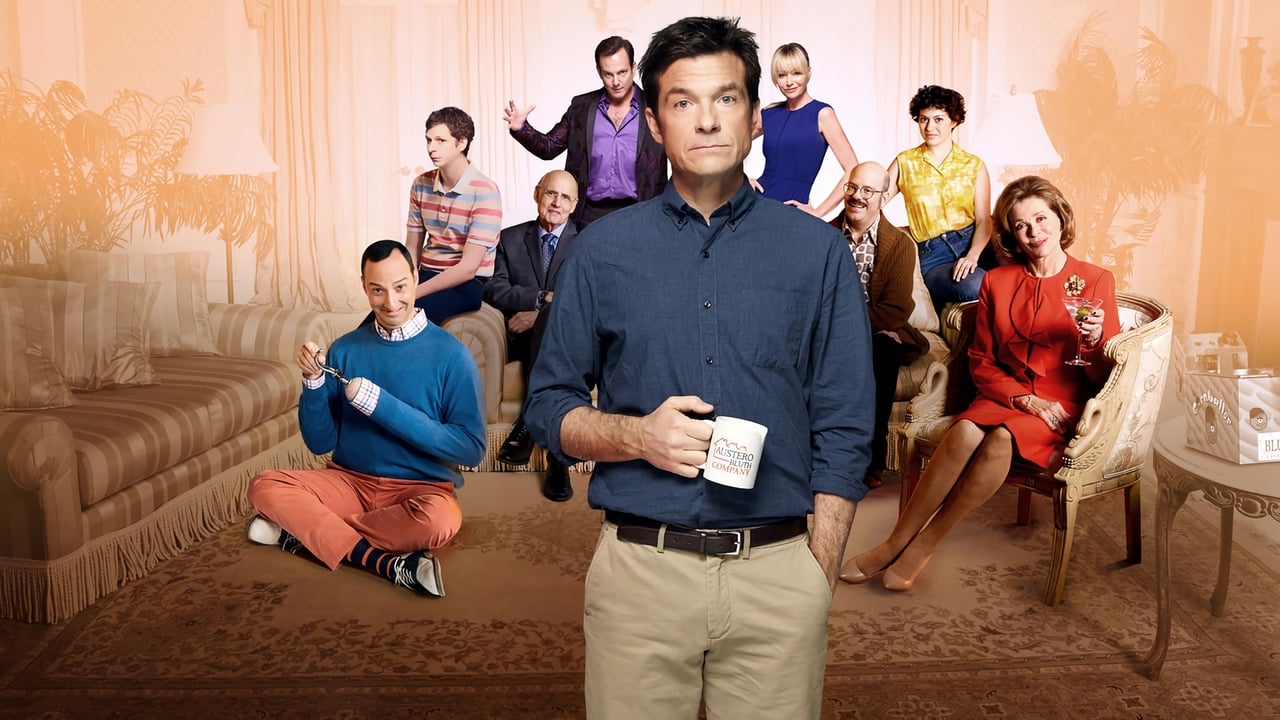
When the show returned years later on streaming for seasons four and five, the cast had scheduling conflicts, forcing storylines to split apart. The tight ensemble chemistry suffered, and the remix edits make the narrative drag. If you want the definitive experience with your teen, stick to the original Fox broadcast run. It ends cleanly and avoids the fatigue of the later revivals.