The 'Walled Garden' of Finance
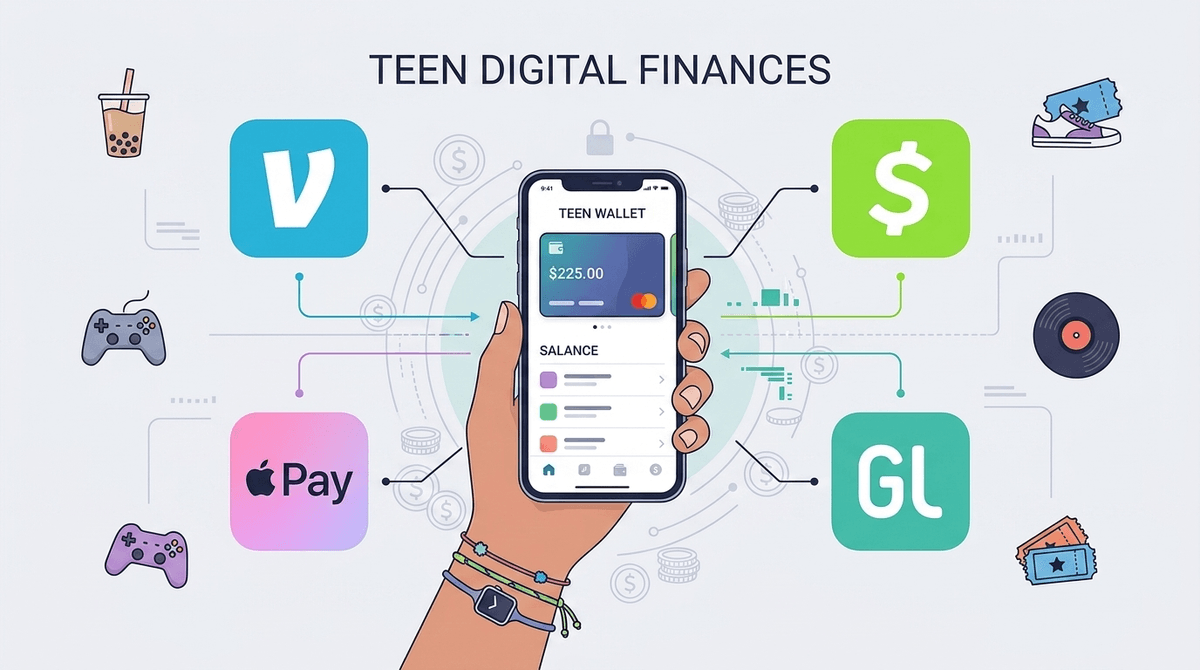
If you've looked into apps like Greenlight or Step, you know they come with a lot of 'extra.' Subscription fees, gamified savings goals, and constant notifications. Apple Cash strips all of that away. It’s a feature, not a product. Because it’s built into the Wallet app, it feels like a natural extension of the phone rather than a separate 'kid's bank' that they'll eventually outgrow.
Why Parents Prefer This Over Venmo or Cash App
The biggest win here is privacy. Venmo's default settings are a nightmare for minors, often broadcasting transaction memos to a public or semi-public feed. Apple Cash is private. The only people who see the transactions are the kid and the family organizer.
Practical Training Wheels
Using Apple Cash Family allows you to set up a 'Sponsored Account.' This gives your kid a digital debit card they can use anywhere Apple Pay is accepted. You can receive notifications for every transaction, which sounds overbearing, but for a 10-year-old’s first month of financial freedom, it’s a vital teaching tool. You can catch the 'I accidentally bought $50 of Robux' moment before it becomes a habit.
"It’s the most friction-free way to give a teen 'walking around money' without worrying about them losing a physical wallet or being targeted by the social-engineering scams prevalent on more public payment platforms."
One thing to note: the synopsis provided by some users mentions Bitcoin and banking services—that’s actually Cash App (by Block), not Apple Cash. Apple Cash is much more conservative. It doesn't offer crypto trading or complex banking features for minors, which is exactly why many Screenwise parents prefer it. It keeps the focus on the basics: sending, receiving, and spending responsibly.