The "Magic Word" mechanic
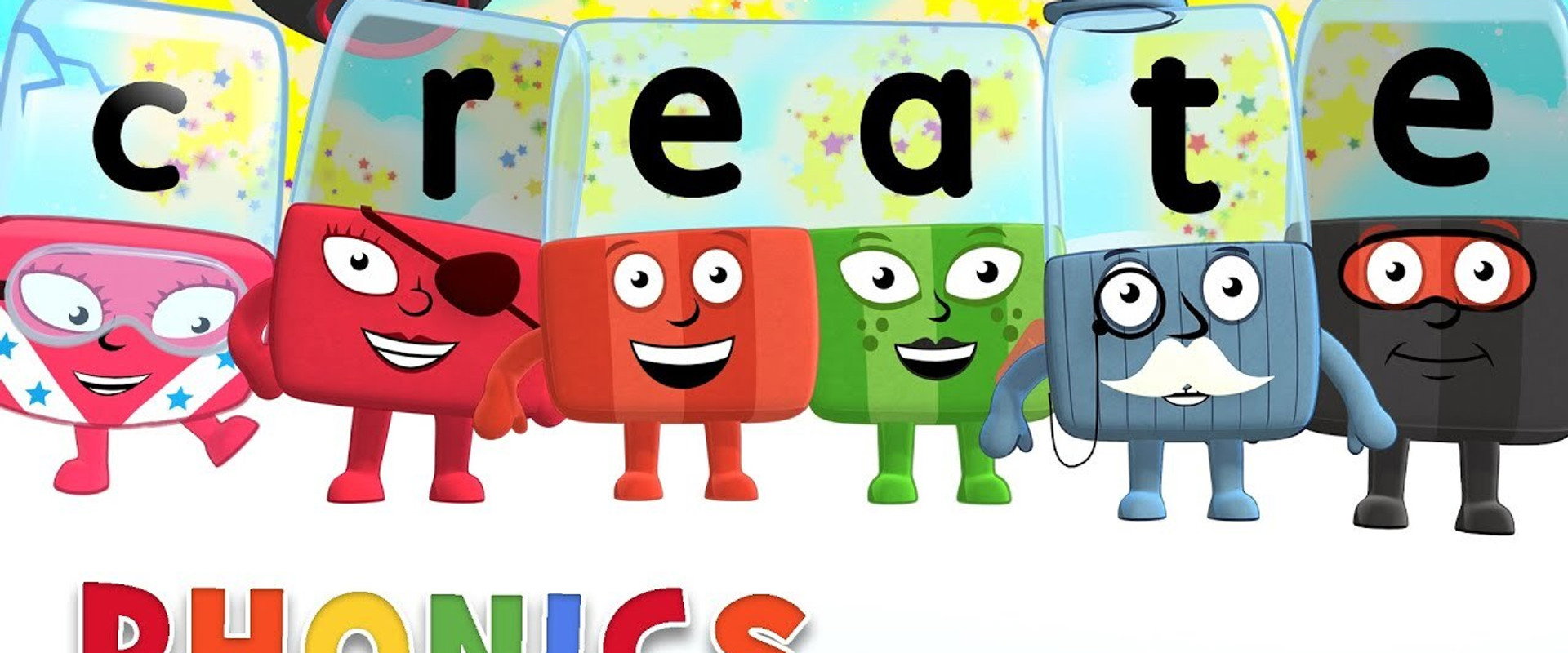
What makes this show actually work—and why it has an IMDb 7.8—is the way it visualizes the abstract concept of blending. In most episodes, the letters literally hold hands to form a word, and once the word is "made," the object or action appears in their world. It’s a visceral way for a four-year-old to understand that individual sounds create a whole new meaning.
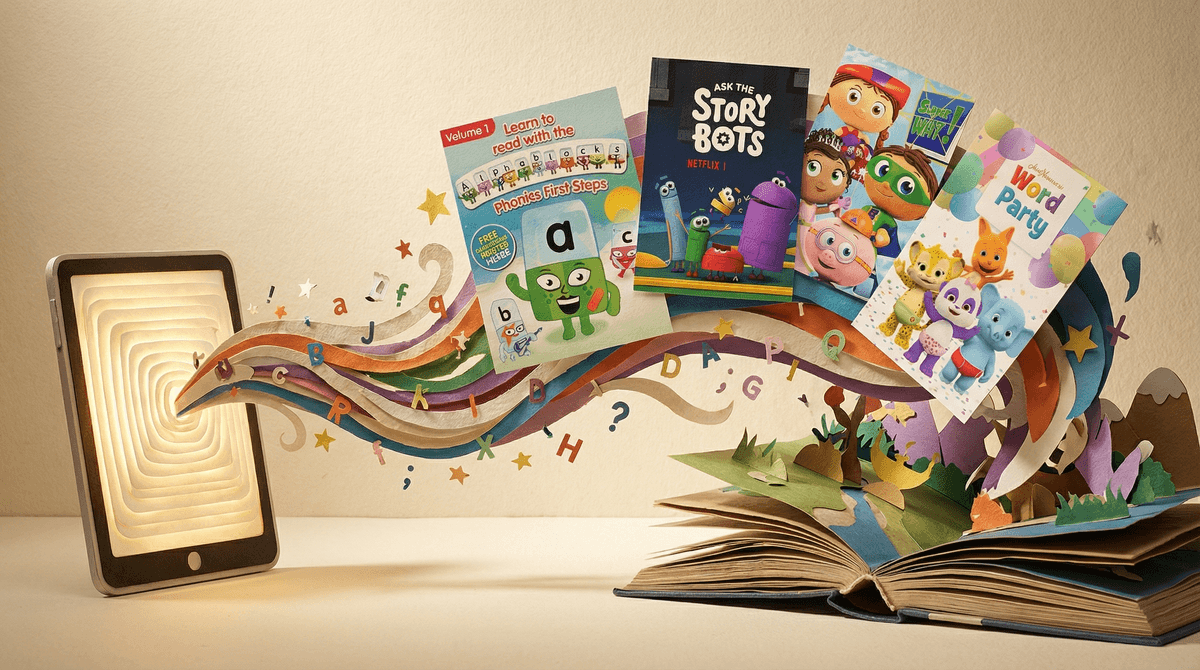
If you’ve spent any time looking for TV shows that actually help your kid read, you know the market is flooded with "edutainment" that is 90% entertainment and 10% flashcards. Alphablocks flips that. It uses the narrative to drive the phonics. When the letter 'C' and 'K' team up because they make the same sound, it’s not a dry lecture; it’s a character beat.
Phonics over the ABCs
Most American parents grew up on the "Alphabet Song," which focuses on letter names. Alphablocks is firmly team phonics. It prioritizes the sounds letters make, which is the actual engine of literacy.
You’ll notice the characters don’t call themselves "Ay, Bee, See." They introduce themselves by their phonetic sounds. This can be a minor adjustment for parents who were taught the "Letter of the Day" style, but it’s far more effective for kids who are just starting to decode text. It’s the difference between memorizing a list and learning how to use a tool.
Avoiding the "Brain Rot" trap
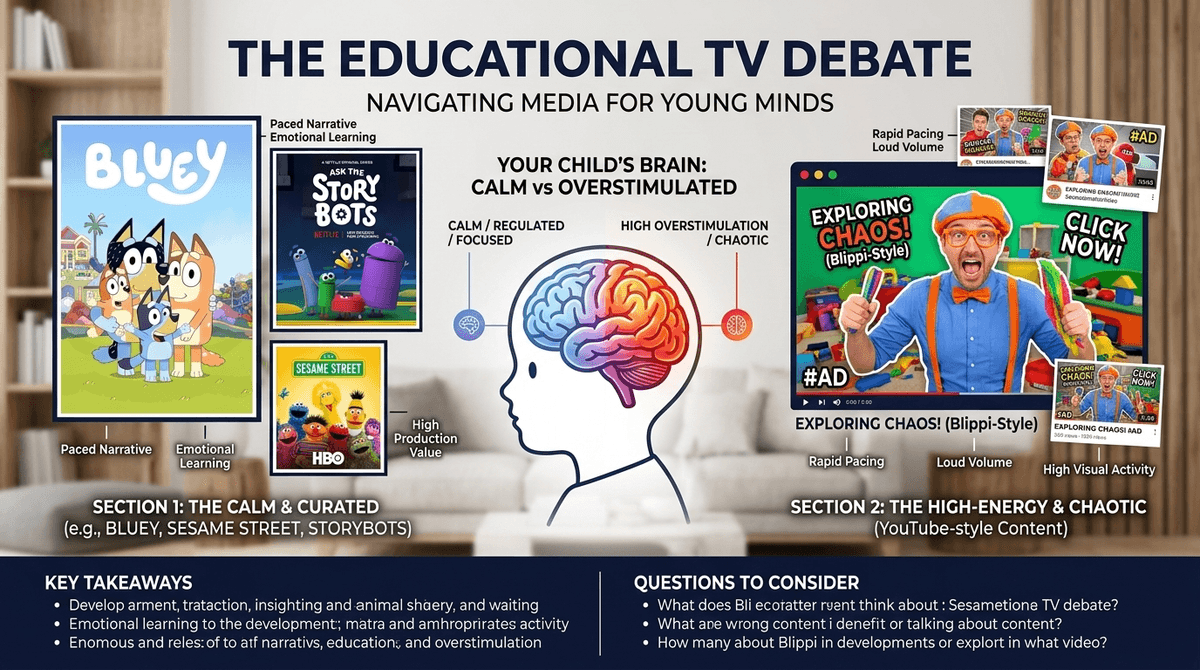
In an era of high-speed, neon-soaked YouTube loops that offer zero cognitive value, Alphablocks feels like a relief. It’s a great example of how to navigate the educational-shows-vs-entertainment divide. The animation is clean, the pacing is intentional, and it doesn't rely on frantic cuts to keep a toddler's attention.
The show is unashamedly earnest. It knows it’s a teaching tool, but it has enough wit in its songwriting and character quirks—like 'S' being prone to sagging or 'I' being incredibly vain—to keep it from feeling like a digital worksheet.
The British factor
Since this is a UK production, you’re going to hear "zed" instead of "zee." You'll see a "plaster" instead of a "band-aid." For most kids, this is a non-issue. They're linguistic sponges; hearing a different accent or a slightly different word for a truck (lorry) doesn't confuse them—it just expands their vocabulary.
If your kid is already a fan of Numberblocks, this is the mandatory next step. They share the same DNA: high-quality voice acting, clever music, and a deep respect for the child's ability to grasp complex systems if they're presented with enough personality.