The gamer's survival fantasy gone wrong
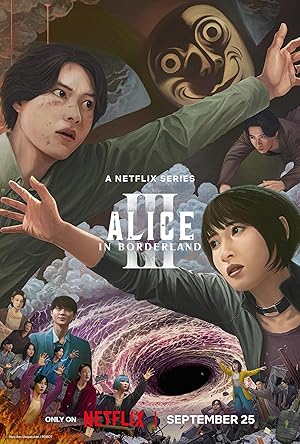
If you’ve spent any time around a kid who insists their hours in Roblox or Call of Duty are building "real-world skills," Alice in Borderland is the dark, distorted mirror of that argument. The protagonist, Arisu, is a listless gamer whose obsession with logic and strategy becomes his only lifeline when he’s dropped into a deserted Tokyo.
Unlike other survival dramas that focus on social class or debt, this show leans hard into game mechanics. Every challenge is categorized by a playing card suit. Spades are physical, Diamonds are intellectual, and Clubs are a mix of both. But it’s the Hearts games—the ones designed to manipulate emotions and force betrayals—that give the show its psychological teeth. For an adult audience, it’s a fascinating look at how logic fails when empathy is weaponized. For a younger viewer, it’s a lot of trauma to unpack.
Why it’s the "next step" after Squid Game
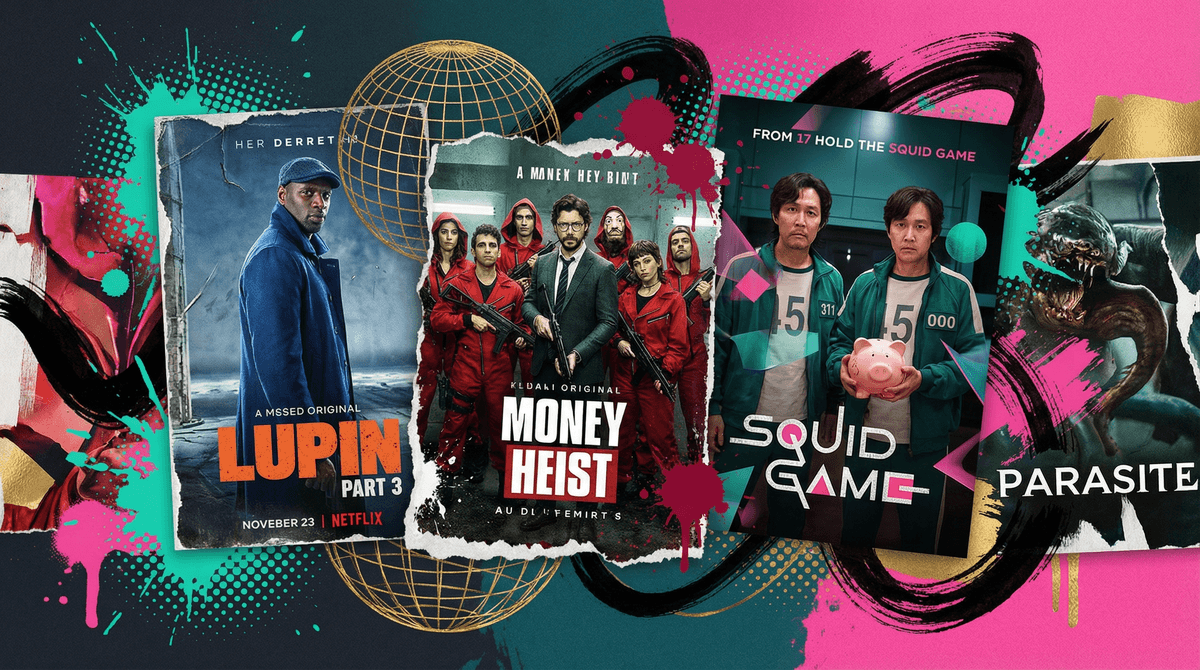
Most parents find their way here after the Squid Game wave. While they share a "play or die" premise, Alice in Borderland feels more like a high-budget sci-fi thriller than a gritty social commentary. It’s slicker, faster, and arguably more creative with its set pieces.
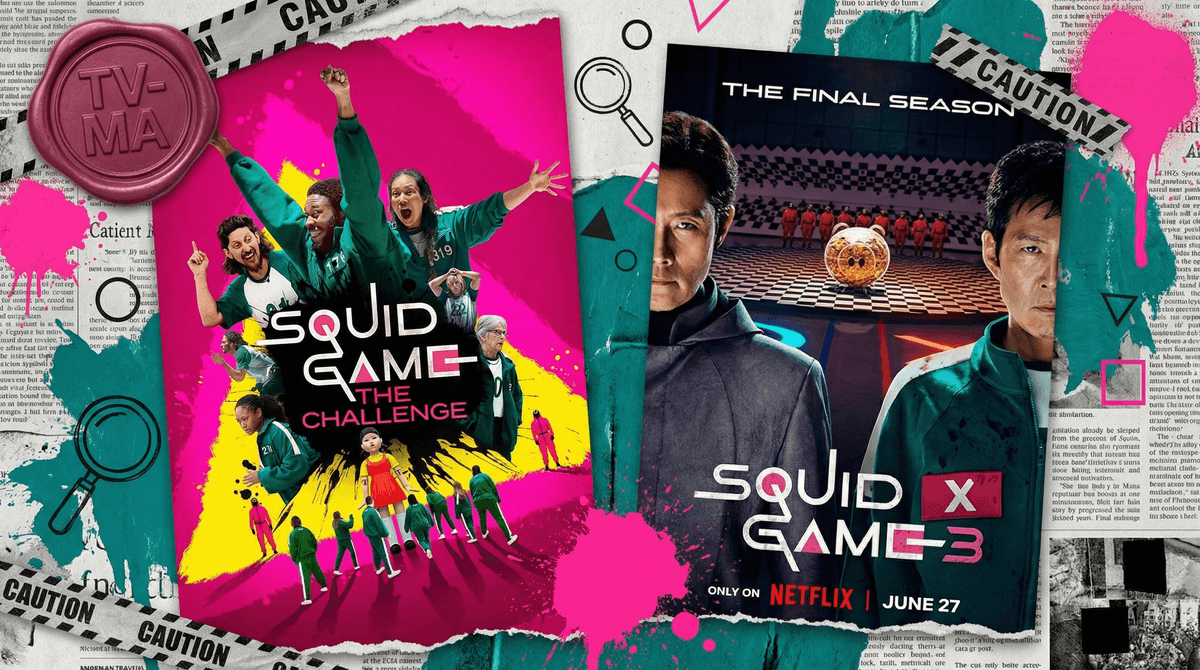
If you’re trying to figure out if your teen can handle this after seeing the other global hit, it’s worth decoding the Squid Game age rating first. Alice is generally more graphic. Where other shows might use a quick cutaway, this one lingers on the "game over" consequences. The production values are top-tier, which only makes the gore feel more visceral. It’s the kind of show that makes you want to look away, but the 7.8 IMDb rating is a testament to how well it hooks you into the "how will they solve this?" mystery.
The stylistic friction
Some viewers on Reddit and IMDb point out that the acting can feel over the top or "anime-esque." That’s a fair critique if you’re used to Western prestige dramas, but it’s a specific stylistic choice common in Japanese adaptations of high-concept thrillers. The characters are archetypes: the brooding loner, the manipulative executive, the loyal best friend.
This heightened reality is part of the draw. It makes the world feel like a literal video game, which is why it resonates so strongly with a digital-native audience. However, that same "game-like" quality can make the violence feel numbing. It’s easy to start viewing the characters as disposable NPCs (non-player characters) until the show hits you with a heavy emotional beat that reminds you of their humanity.
How to think about the "16+" rating
Common Sense tags this at 16+, but the audience and critic consensus (sitting at 80% and 78% on Rotten Tomatoes) suggests this is a show for people who can handle genuine nihilism. It isn’t just about blood; it’s about the bleakness of the choices.
If your teen is already deep into survival horror or "death game" media, they’ve likely already heard of this. It’s a major talking point in those circles. But if they’re coming from a place of curiosity because of the conversations about cultural storytelling sparked by other international hits, be prepared for the fact that Alice is much less interested in teaching a lesson and much more interested in the adrenaline of the escape. It’s a wild, well-executed ride, provided you have the stomach for it.