Why the jokes still land
Most mid-2000s sitcoms feel like museum pieces now: slow, multi-camera setups pausing for laugh tracks. 30 Rock moved in the exact opposite direction. Fey borrowed the pacing of prime-era The Simpsons and applied it to a live-action Manhattan office building. Characters speak in crisp paragraphs, cutaways interrupt scenes every forty seconds, and background signs tell three separate jokes at once.
For a teenager raised on TikTok-speed editing, modern prestige comedies can feel glacial. 30 Rock does not have that problem. The editing cuts straight to the punchline, moves the plot forward, and never stops to explain itself.
The corporate literacy angle
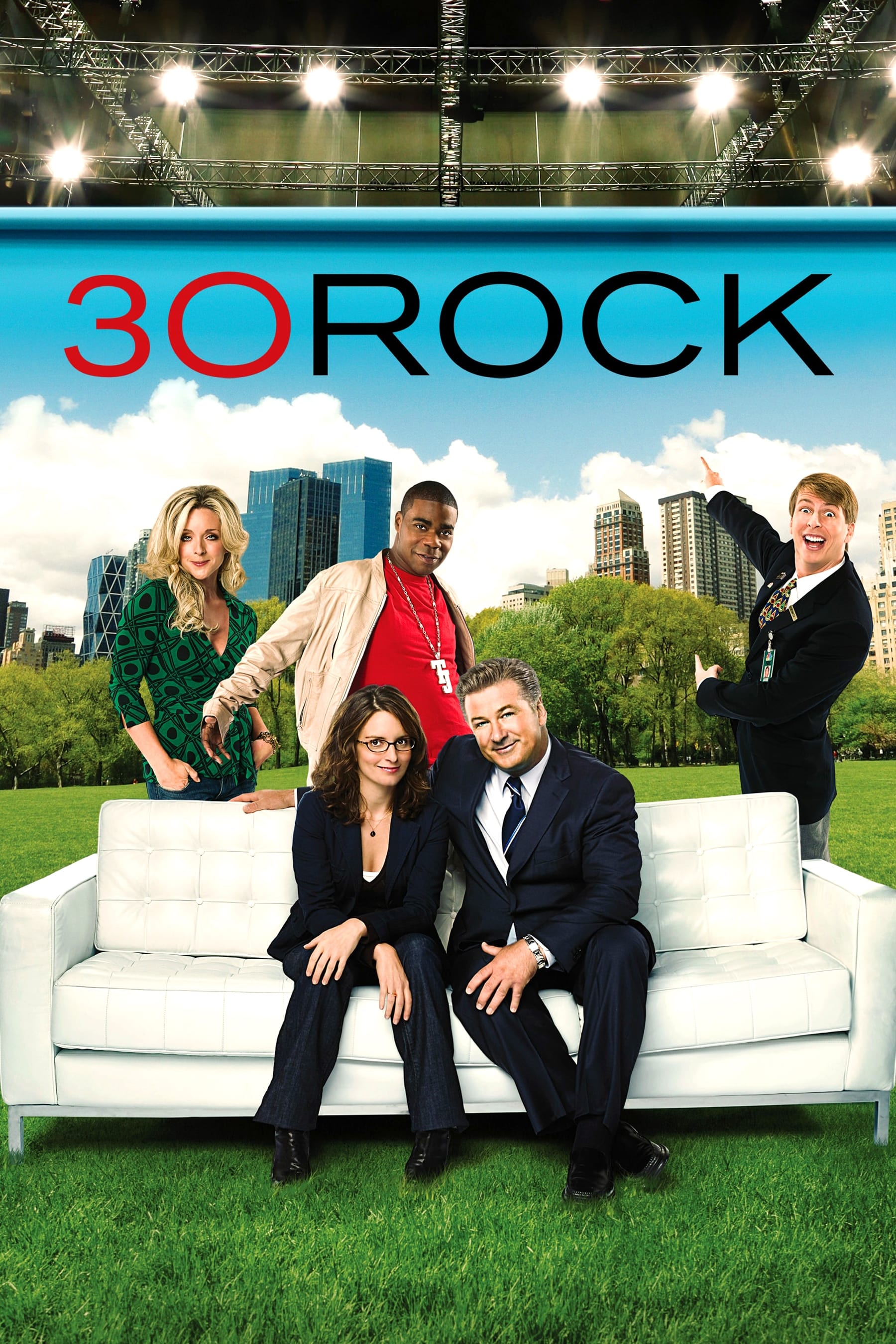
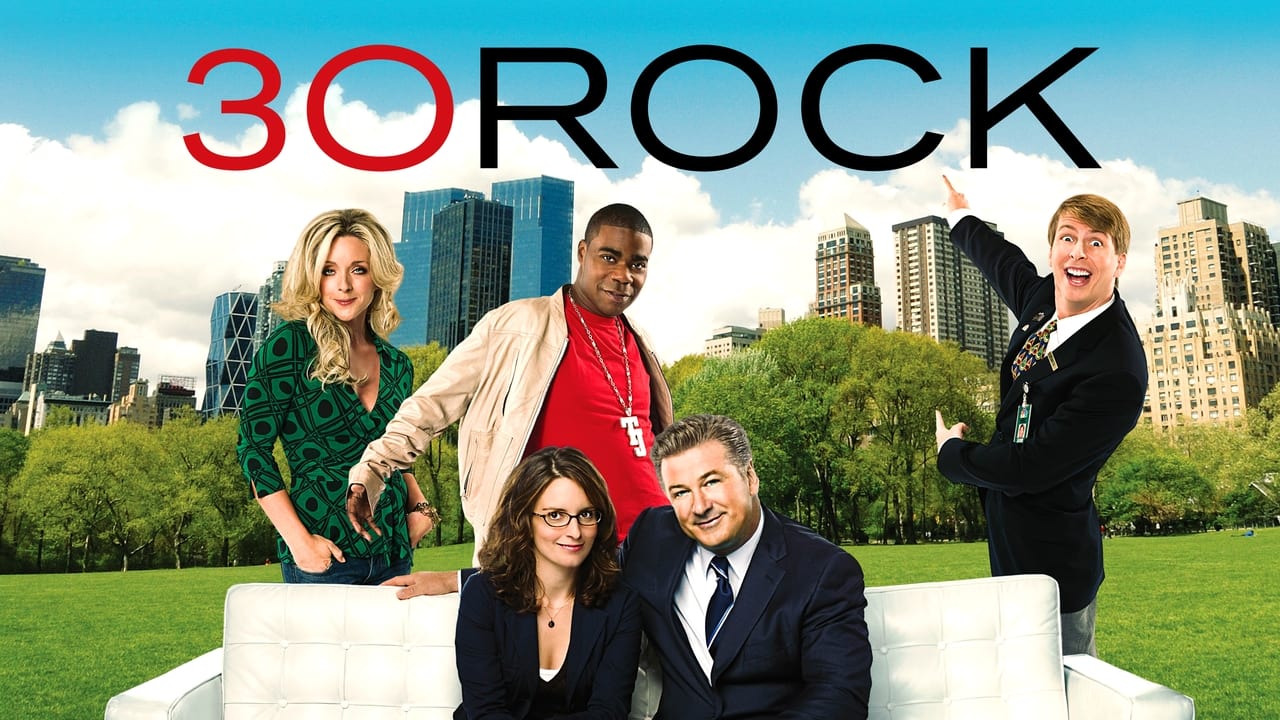
Beneath the absurdism—Tracy Jordan trying to make an adult video game, Jenna Maroney feeding her bottomless vanity—lies a remarkably clear view of corporate life. Jack Donaghy represents General Electric corporate power at its most polished and ruthless, while Liz Lemon represents the exhausted middle manager trying to protect creative work from executive meddling.
Teens who watch this absorb a healthy skepticism toward marketing doublespeak, vertical integration, and celebrity culture. It shows exactly how corporations treat audiences as demographic units to monetize.
Things that aged rough
A few bits hit weirdly today. Fey was satirizing the cluelessness of white liberal media figures, but some of the jokes crossed lines that the creators themselves walked back. In 2020, NBC removed four episodes from streaming platforms at Fey's request because characters appeared in blackface as part of satirical sketch plots. Understanding that context makes for a productive conversation about where the boundary between sharp satire and thoughtless offense lives.