

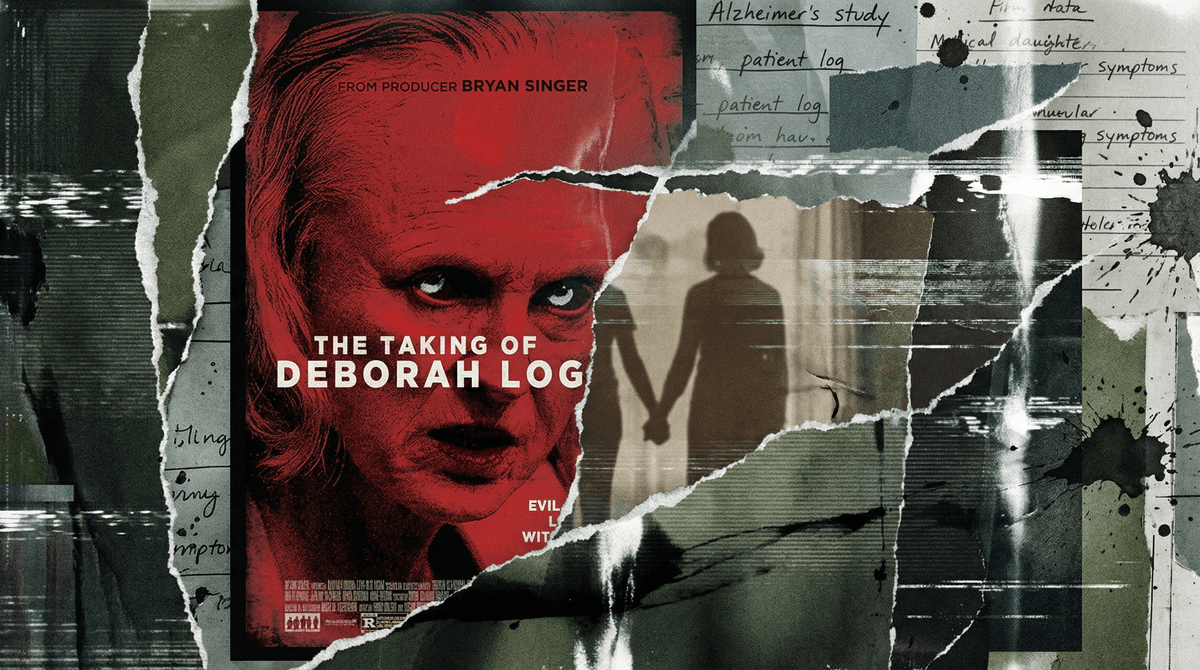
The Taking of Deborah Logan is a 2014 found-footage horror film that starts as a documentary about Alzheimer's disease and gradually transforms into something much darker. A film crew follows Deborah Logan, an elderly woman in the early stages of dementia, and her daughter Sarah as they navigate the devastating progression of the disease. But as Deborah's behavior becomes increasingly disturbing and violent, the crew begins to suspect something supernatural is at work.
It's currently streaming on various platforms and has quietly become a cult favorite among horror fans who appreciate when the genre tackles real human fears alongside supernatural ones.
Look, I'll be honest: most found-footage horror is lazy. Shaky cam, jump scares, people running through the woods screaming "What was that?!" for 90 minutes. The Taking of Deborah Logan is not that.
What makes this film genuinely unsettling is that it uses the terrifying reality of Alzheimer's disease as its foundation. For the first third of the movie, you're watching a heartbreaking documentary about memory loss, personality changes, and a daughter watching her mother disappear. The horror isn't supernatural yet—it's the horror of aging, of losing someone while they're still alive, of wondering if aggressive behavior is the disease or something else.
Then the film gradually introduces supernatural elements, and here's the genius part: you can't tell where the dementia ends and the possession begins. Is Deborah wandering into the woods at night because of confusion or something darker? Are her violent outbursts neurological or paranormal? The film maintains that ambiguity brilliantly.
Jill Larson's performance as Deborah is legitimately phenomenal. She disappears into this role in a way that feels both compassionate and terrifying. You believe every moment.
This is obviously not a family movie—we're talking solid R-rating territory with disturbing imagery, violence, and some genuinely nightmare-inducing scenes. But here's why it might resonate with parents specifically:
It's about caregiving. The relationship between Deborah and her daughter Sarah is the emotional core of the film. Sarah is exhausted, broke, and watching her mother deteriorate. Anyone who's dealt with aging parents or chronic illness will recognize that specific kind of grief and guilt. The horror elements are almost secondary to this very real dynamic.
It treats its subject matter with respect. The film doesn't mock or exploit Alzheimer's disease. The early documentary scenes feel authentic and compassionate. The filmmakers clearly did their research about how dementia actually presents.
It's actually well-crafted. If you're the kind of parent who appreciates good filmmaking and gets tired of the endless stream of mediocre horror content, this one delivers. The found-footage format is justified by the documentary premise, the scares are earned rather than cheap, and the pacing is patient.
Without spoiling anything major: there's a scene involving a snake that is deeply disturbing. There's imagery involving children that crosses into genuinely upsetting territory. The final act gets pretty intense and gross.
This isn't torture porn or gore for gore's sake, but it's definitely not for the squeamish. If you have a hard time with body horror or anything involving harm to vulnerable people (elderly, children), maybe skip this one.
The found-footage format also means lots of shaky cam and dark scenes, which can be either atmospheric or annoying depending on your tolerance.
Ages 0-15: Absolutely not. This is not a "let's see if my mature 13-year-old can handle it" situation. The themes are too heavy, the imagery too disturbing.
Ages 16-17: Maybe, with serious consideration. If you have an older teen who genuinely loves horror films and can handle intense psychological and supernatural content, this could be a conversation starter about aging, caregiving, and family responsibility. But know your kid. The snake scene alone is a dealbreaker for many adults.
Ages 18+: Still intense, but fair game. Even as an adult, this one lingers. It's not fun horror—it's dread-inducing horror with real emotional weight.
In a genre flooded with lazy cash-grabs and cheap jump scares, The Taking of Deborah Logan stands out because it earns its scares through character and atmosphere rather than loud noises and fake-outs. It's patient. It trusts its audience. It uses the found-footage format purposefully rather than as a budget-saving gimmick.
The film also does something rare: it makes you feel genuine empathy for its characters before putting them through hell. You care about Deborah and Sarah. You want a better outcome for them. That emotional investment makes the horror land harder.
It's the kind of movie that makes you think about your own parents, your own aging, your own fears about losing yourself or watching someone you love disappear. That's horror that sticks with you beyond the runtime.
The Taking of Deborah Logan is absolutely not for kids, and honestly not for everyone. But if you're a parent who appreciates smart horror that tackles real human fears alongside supernatural ones, this is worth your time.
It's a film that respects both its genre and its subject matter. It's genuinely scary without being exploitative. And it features a powerhouse performance from Jill Larson that deserved way more recognition than it got.
Just maybe don't watch it right before visiting your parents. Trust me on that one.
Content warnings: Body horror, violence, disturbing imagery involving children and the elderly, snakes (seriously), psychological horror, themes of dementia and caregiving.
Where to watch: Check your streaming platforms—it rotates between services but is usually available somewhere.
If you want to explore more horror that actually has something to say, check out our guide to elevated horror films that go beyond cheap scares.