

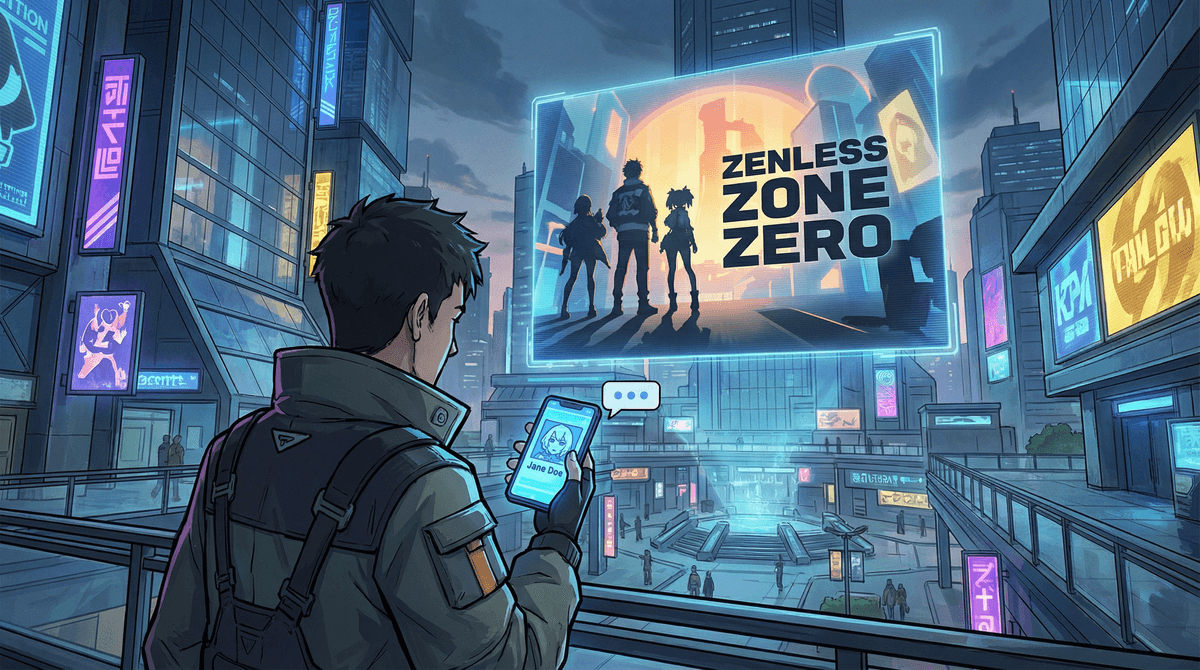
Who Is Jane Doe? From Legal Placeholder to Gaming Meme
If your kid is suddenly talking about "Jane Doe" or you've seen the name pop up in their gaming feeds, here's what's happening: Jane Doe is both a centuries-old legal placeholder name AND a viral character from Zenless Zone Zero, a popular anime-style action game. The character has spawned countless memes, fan art, and references across gaming culture. It's mostly harmless internet culture, but worth understanding if you're wondering why this specific name is suddenly everywhere.
Quick context:
- Jane Doe (the legal term) = anonymous female placeholder in legal/medical contexts
- Jane Doe (the character) = rat-themed character from Zenless Zone Zero who's become a massive meme
- Why it matters = understanding the difference helps you decode what your kid is actually talking about
Let's start with the OG Jane Doe. In legal and medical contexts, "Jane Doe" has been used for centuries as a placeholder name for unidentified females. "John Doe" is the male equivalent. These names show up in:
- Legal cases where someone's identity is protected or unknown
- Medical situations with unidentified patients
- Missing persons cases before identification
- Privacy protection in court documents
It's basically the official way to say "we don't know who this person is" or "we're protecting this person's identity." The term dates back to English common law and has zero connection to gaming culture—until very recently.
Now for the plot twist. In 2024, Zenless Zone Zero (ZZZ for short) launched as a free-to-play action RPG from HoYoverse, the same studio behind Genshin Impact. The game features a character literally named Jane Doe—a secret agent with rat/mouse theming who works for a shadowy organization.
The character design is... a lot. She's got the typical anime aesthetic with exaggerated proportions, a tail, and a whole "mysterious secret agent" vibe. But here's where it gets interesting for internet culture: her name being the generic legal placeholder became an instant meme. Players loved the irony of a secret agent character having the most anonymous name possible.
Within weeks of the game's release, Jane Doe became one of the most memed characters in the game, spawning:
- Endless "who is Jane Doe?" jokes playing on the legal meaning
- Fan art and edits flooding TikTok, Instagram, and YouTube
- References in other games and online communities
- The phrase "Jane Doe" becoming shorthand for mysterious or anonymous characters
If your middle or high schooler is mentioning Jane Doe, they're almost certainly talking about the gaming character, not filing legal paperwork. Here's why this particular character caught fire:
The meme potential is endless. The name itself is a joke—a secret agent with the most generic "anonymous" name possible. Kids love meta humor like this.
Zenless Zone Zero is actually popular. Despite being relatively new, ZZZ has a significant player base, especially among teens who are already into Genshin Impact or Honkai Star Rail. These games have massive communities creating content, sharing strategies, and yes, making memes.
The character design is "cool." In gaming culture, character aesthetics matter immensely. Jane Doe's design hits that sweet spot of mysterious, stylish, and meme-worthy.
It's cross-platform culture. Even kids who don't play ZZZ have seen Jane Doe content on TikTok, YouTube Shorts, or Instagram. The memes transcend the game itself.
About Zenless Zone Zero specifically:
The game is rated T for Teen (13+) by the ESRB. It features:
- Stylized combat violence (no blood/gore)
- Suggestive character designs and outfits
- Gacha mechanics (randomized character acquisition using in-game currency)
- In-app purchases that can get expensive fast
Real talk: If you're okay with your teen playing Genshin Impact, Zenless Zone Zero is similar territory. The combat is action-oriented but not graphic. The bigger concerns are:
-
The gacha system - These games are designed to encourage spending real money for a chance to get specific characters. Learn more about gacha mechanics and how they work
 .
. -
Character sexualization - Like many anime-style games, female characters often have exaggerated proportions and revealing outfits. Jane Doe is no exception.
-
Time investment - These games are designed to be played daily with events, updates, and FOMO (fear of missing out) mechanics.
For younger kids (under 13):
If your elementary schooler is talking about Jane Doe, they're probably just repeating memes they've seen, not playing the game. The character has become divorced from the source material in many online spaces. That said, if they're actively seeking out Jane Doe content, it's worth checking what they're watching—some fan content can be inappropriate.
The name confusion is real. If you hear "Jane Doe" in conversation, context is everything. Are they talking about a news story (legal term) or gaming/memes (character)? A simple "which Jane Doe?" can clear things up fast.
This is internet culture in action. Gaming characters becoming memes is standard operating procedure for Gen Z and Gen Alpha. Yesterday it was Ankha from Animal Crossing, today it's Jane Doe from ZZZ, tomorrow it'll be someone else. Understanding this pattern helps you decode what's actually happening.
The gacha concern is legitimate. If your kid is playing Zenless Zone Zero or asking to play it, the game is free to download but designed to encourage spending. Characters like Jane Doe are often only available for limited times, creating urgency. Set clear boundaries about in-app purchases before they start playing. Here's how to set up parental controls for in-app purchases.
Community matters. Like most popular games, ZZZ has a massive online community. If your teen is engaged with the game, they're likely also watching YouTube videos, browsing Reddit threads, or following creators on TikTok. This community engagement is often where the real time (and potential issues) live—not just in the game itself.
If Jane Doe comes up in conversation, try this approach:
Curious, not interrogative: "I keep seeing Jane Doe mentioned online—is that from a game you're playing?"
Connect the dots: "Oh interesting! I only knew Jane Doe as the legal term. How did the character become such a big meme?"
Address concerns directly: "I noticed this game has in-app purchases. Let's talk about what our budget is for gaming."
Acknowledge the culture: "The meta joke of a secret agent named Jane Doe is actually pretty clever."
This isn't about pretending to be cool or "fellow kids" energy. It's about demonstrating that you're paying attention to their interests and willing to understand the context rather than immediately shutting things down.
Jane Doe is a perfect example of how internet culture takes something (a legal placeholder name) and transforms it into something completely different (a viral gaming character). For most kids, talking about Jane Doe is just participating in current gaming culture—no different than previous generations referencing Mario or Pokémon.
The actual concerns aren't about the character or meme itself, but rather the game mechanics (gacha systems, in-app purchases) and time investment of games like Zenless Zone Zero. If your teen wants to play, that's a separate conversation about gaming boundaries, spending limits, and time management.
And hey, at least now when your kid says "Jane Doe," you'll know whether to picture a courtroom or a rat-themed secret agent. That's progress.
- If they're playing ZZZ: Check their screen time and spending. Set up purchase restrictions if you haven't already.
- If they're just memeing: Relax. This is just internet culture doing its thing.
- If you're curious: Watch a few minutes of ZZZ gameplay on YouTube to see what the fuss is about. Understanding the source material helps you understand the appeal.
- Want alternatives? If you're looking for action games without gacha mechanics, check out alternatives to gacha games.