

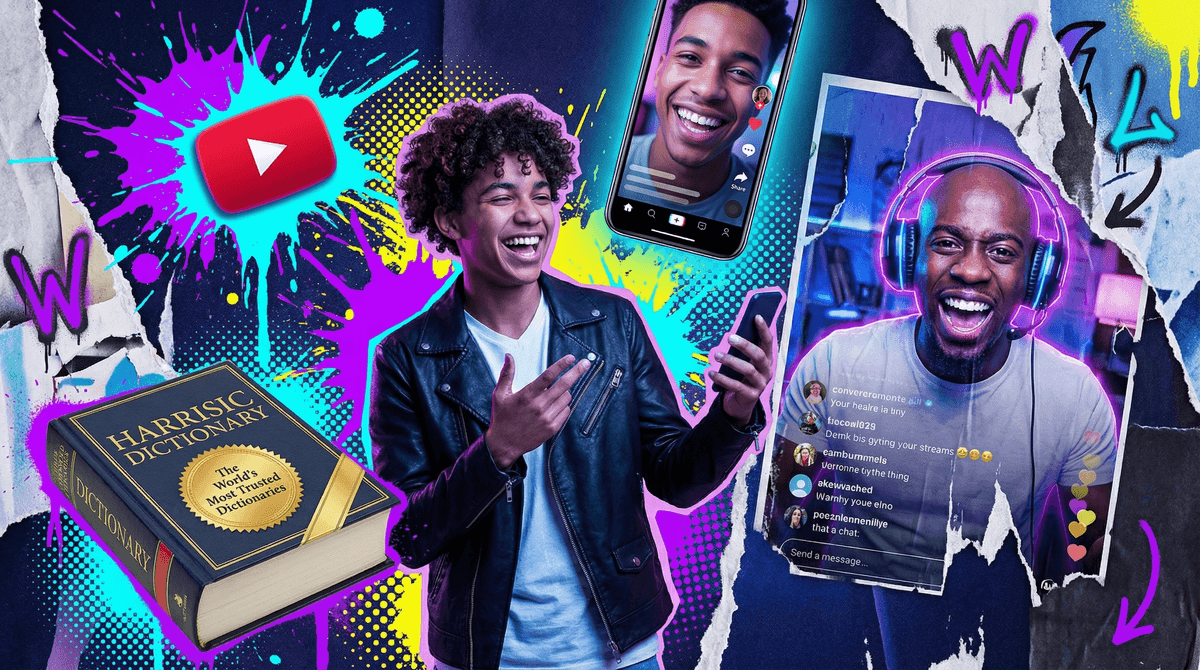
"Rizz" is Gen Alpha and Gen Z's shorthand for charisma—specifically, the kind of charm you use when flirting or trying to impress someone romantically. If you've got rizz, you're smooth, confident, and know how to talk to your crush without turning into a stammering mess.
The word comes from the middle of "charisma" (cha-riz-ma), and it exploded into mainstream kid vocabulary around 2022, largely thanks to Twitch streamer Kai Cenat. By 2023, Oxford Dictionary named it Word of the Year. Yes, really.
Kids use it as both a noun ("he has so much rizz") and a verb ("she's rizzing him up right now"). You'll hear variations like "W rizz" (good game, successful flirting) and "L rizz" (crashed and burned). There's also "unspoken rizz"—the ability to attract someone without saying anything at all, just through presence and confidence.
And then there's the meme level: "Rizz God," "rizzler," "rizz master." Kids love turning everything into a tier system, and romantic charisma is no exception.
Here's the thing: flirting and social confidence have always mattered to tweens and teens. But this generation is growing up with way less unstructured, in-person social time than previous generations. They're learning social dynamics through screens, watching dating content on YouTube and TikTok, absorbing "how to get a girlfriend" advice from influencers who may or may not know what they're talking about.
"Rizz" gives kids a framework—and a vocabulary—for something that feels high-stakes and confusing: romantic interest. It's less embarrassing to say "I'm working on my rizz" than "I don't know how to talk to the person I like."
It also gamifies social interaction in a way that feels very native to this generation. You can "level up" your rizz. You can study it. You can rate yourself and others. It turns the terrifying unknown of middle school crushes into something that feels more manageable and meme-able.
Now for the part that might make you want to throw all the devices in a lake.
The "rizz" universe on TikTok and YouTube has some genuinely helpful content about confidence and conversation skills. But it also bleeds into pickup artist territory, with videos teaching kids manipulative tactics, "alpha male" posturing, and weirdly transactional views of relationships.
There's a whole cottage industry of influencers selling "rizz courses" or pushing content that treats dating like a game you win rather than a connection you build. Some of this content is harmless cringe. Some of it veers into teaching kids that relationships are about tricks and power dynamics rather than mutual respect and genuine interest.
For girls, the "rizz" conversation often flips to being the target of rizz rather than having it themselves—which, cool, love the gender dynamics we're teaching here. And the comment sections on these videos can get toxic fast, with kids (especially boys) rating each other's "rizz" in ways that feel like a breeding ground for insecurity.
Most kids using "rizz" are just talking about normal crush stuff. Your 10-year-old saying their friend has "W rizz" probably just means their friend successfully talked to their crush at recess without tripping over their words. It's not inherently concerning.
But it's worth knowing what content they're consuming around it. If your kid is watching "how to get rizz" videos, take a look at what they're learning. Are they getting advice about being confident and kind? Or are they absorbing content that treats people like conquests?
Ages 8-10: Kids this age are mostly using "rizz" as a funny word. They might not even fully understand the romantic implications—they just know it's something cool kids say. If they're using it, it's probably just vocabulary, not a sign they're deep into dating culture.
Ages 11-13: This is when it gets real. Middle schoolers are very interested in crushes, social status, and figuring out how relationships work. "Rizz" is part of their social currency. They're also the most vulnerable to absorbing questionable advice from social media because they're desperate for any framework that makes this stuff less confusing.
Ages 14+: High schoolers are usually more sophisticated about this. They can see through the cringe and call out the toxic stuff. But they're also more likely to be actually dating, so conversations about healthy relationships matter even more.
Don't make fun of the word. I know it sounds ridiculous. But if you mock it, you shut down the conversation. Just roll with it.
Ask what they think it means. "I keep hearing you and your friends say 'rizz.' What does that actually mean?" Let them explain it to you. It opens the door to talking about what they think makes someone attractive or interesting.
Talk about real charisma. The best kind of "rizz" isn't about lines or tricks—it's about being genuinely interested in other people, listening well, having confidence without arrogance, and being kind. If your kid is worried about their rizz, help them focus on those things instead of trying to perform some influencer's script.
Watch some of the content together. If they're into "rizz" videos, ask if you can watch a few with them. You'll get a sense of what messages they're absorbing, and you can talk through what's helpful versus what's weird or manipulative.
Bring up respect and consent. Use "rizz" as an entry point to talk about healthy relationships. "So if someone has good rizz, does that mean they're pushy? Or does it mean they're confident but also respectful if someone's not interested?" These conversations matter.
"Rizz" is just the latest word for something timeless: figuring out how to connect with people you're interested in. It's not inherently bad. But like everything else in the digital age, it comes with a side of influencer nonsense and algorithm-driven advice that ranges from harmless to yikes.
Your job isn't to ban the word or freak out that your kid knows it. It's to help them build actual confidence and social skills—and to make sure the messages they're getting about relationships are grounded in respect, kindness, and reality rather than TikTok performance.
And hey, if they tell you that you have "W rizz" with other parents at pickup? Take the compliment and run with it.
- Check their watch history. If they're on YouTube or TikTok, search "rizz" in their history and see what's coming up. You might be surprised (in good or bad ways).
- Talk about what makes someone genuinely attractive. Confidence, humor, kindness, listening skills—help them see that real charisma isn't about tricks.
- Set boundaries on dating/relationship content. If they're young (under 13), you might want to limit how much "how to get a girlfriend/boyfriend" content they're consuming. It's a lot for developing brains.
- Learn more about how social media affects kids' view of relationships
