

Movie Trailers Aren't Rated: What Parents Need to Know About Age-Inappropriate Previews
Here's something that catches a lot of parents off guard: movie trailers aren't rated the same way movies are.
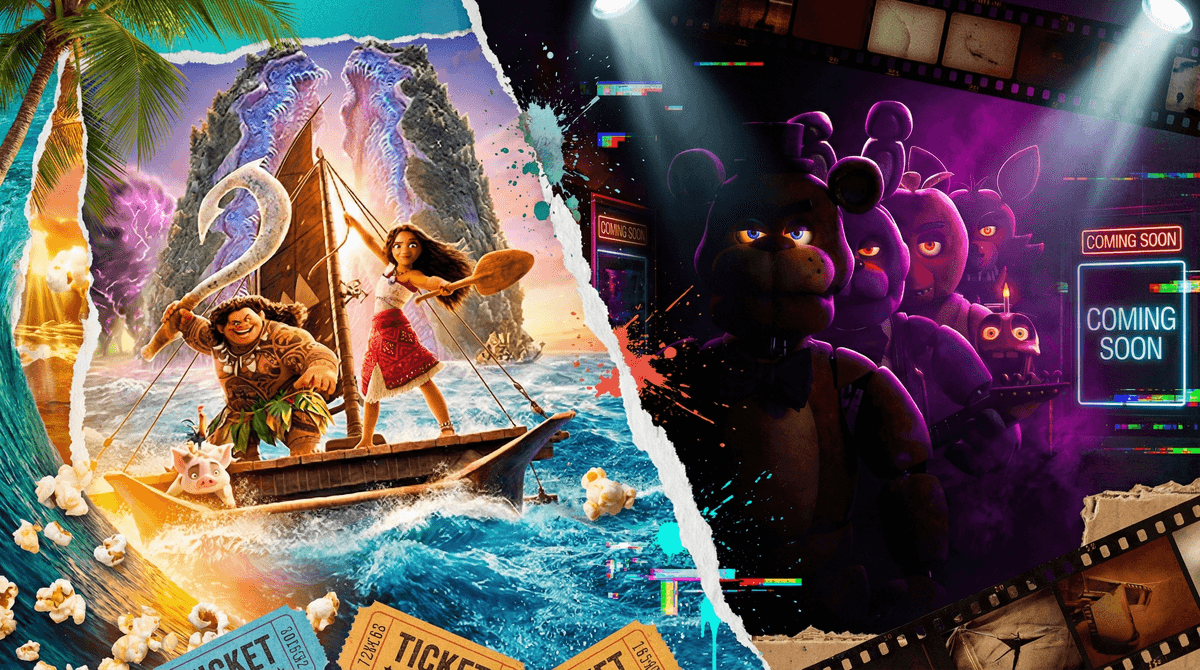
You can take your 7-year-old to see Moana 2 (rated PG), settle in with your popcorn, and suddenly you're both watching a trailer for a horror movie with jump scares, or an R-rated action film with explosions and violence, or a raunchy comedy with sexual innuendo flying everywhere.
The rule isn't "only show trailers appropriate for the movie's rating." The rule is: trailers can be shown before any movie rated the same or higher. So a "red band" trailer (approved for R-rated audiences) can play before R-rated movies. A "green band" trailer (approved for all audiences) should play before G, PG, and PG-13 movies. But here's the thing—"approved for all audiences" is a pretty loose interpretation, and theaters don't always get it right.
Plus, streaming platforms? They have their own systems entirely, and they're not consistent across services.
Trailers are designed to be intense. They're two-minute emotional roller coasters meant to grab attention in a dark room full of distracted people eating nachos. They pack in the scariest moments, the biggest explosions, the most shocking reveals—all the stuff that makes kids ask questions you weren't planning to answer during family movie night.
And unlike the movie you carefully researched on Common Sense Media, you have zero warning about what trailers will play. You can't preview them. You can't skip them in theaters. Your kid is 30 seconds into a Five Nights at Freddy's trailer before you even realize what's happening.
For younger kids especially, this can be genuinely upsetting. A 6-year-old who's fine with Encanto might have nightmares after seeing 90 seconds of a horror movie trailer. And for older kids, it's exposure to content you might not be ready for them to see—or that they're not ready to process.
In Movie Theaters
The MPAA has a "green band" system for trailers, meaning they're supposedly approved for all audiences. But enforcement is inconsistent, and theater staff are often just hitting play on whatever the studio sends them.
Your options:
- Arrive late. Seriously. If you know the movie's runtime, show up 10-15 minutes after the listed showtime. You'll miss the trailers and catch the actual movie. Some parents swear by this method.
- Do a bathroom run. When trailers start, take younger kids for a "pre-movie bathroom break" that happens to last through the previews.
- Cover eyes and ears. Not subtle, but effective. If a trailer looks dicey, you can literally cover your kid's eyes or have them look down while you hum loudly. Yes, it's awkward. Yes, it works.
- Complain to the theater. If an inappropriate trailer plays before a kids' movie, talk to management. They often don't know it happened, and they can report it up the chain.
On Streaming Platforms
This is even more Wild West. Netflix, Disney+, Hulu, Max—they all autoplay trailers, and the age-appropriateness varies wildly.
- Netflix autoplays trailers while you're browsing, and they're not always matched to your profile's maturity level. You can turn off autoplay in settings (Account → Profile → Playback Settings → Autoplay previews while browsing).
- Disney+ generally does better with age-appropriate previews, but they'll still show trailers for Marvel and Star Wars content that might be too intense for younger kids.
- YouTube is the biggest offender. Even with YouTube Kids, ads and trailers can slip through that aren't remotely appropriate. Read more about YouTube vs. YouTube Kids here.
Pro tip: Create separate profiles for kids and actually use the parental controls. It's not perfect, but it helps.
Ages 3-7: These kids take everything literally and have zero context for "it's just a movie." A scary trailer can legitimately frighten them. Arrive late to theaters, turn off autoplay on streaming, and be ready to distract or redirect.
Ages 8-12: They're starting to understand movie marketing, but they're also at peak "I want to see that!" age. A trailer for an inappropriate movie becomes something they'll ask about for weeks. Use it as a teaching moment about why some content is for older audiences, and have honest conversations about media ratings .
.
Ages 13+: They've probably seen worse on TikTok, honestly. But trailers can still be a good conversation starter about what makes something age-appropriate beyond just violence or language—themes, emotional content, and context all matter.
Movie trailers exist in this weird unregulated space where the content can be way more intense than the movie you're actually there to watch. It's not a huge crisis, but it's worth being aware of—especially with younger kids.
Your move:
- Arrive late to theaters for G and PG movies with young kids
- Turn off autoplay previews on streaming services
- Keep the "bathroom break during trailers" trick in your back pocket
- Use surprise inappropriate trailers as conversation starters about media literacy
And remember: you're not being overprotective if you want to control what your 6-year-old sees. That's just called parenting. The system isn't designed to help you here, so you've got to advocate for your own kid.
Want to dig deeper into specific movies or shows? Check out our media library for detailed age ratings and parent reviews. Or Get help navigating movie content with your kids specific questions about navigating movie content with your kids.