

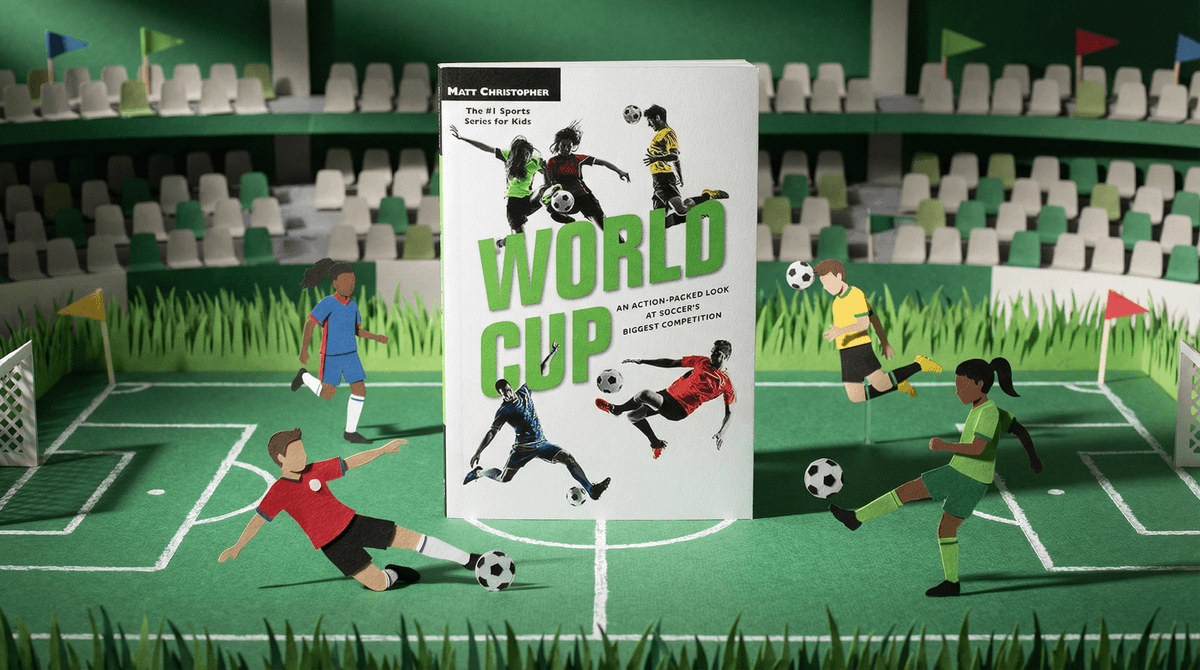
The World Cup by Matt Christopher is a middle-grade sports novel that follows a young soccer player navigating the pressures of competitive sports, teamwork, and personal growth. Published in the 1990s, it's part of Matt Christopher's legendary collection of sports books that have introduced millions of kids to the joy of reading through stories about the games they love.
Here's what makes it different from a lot of what kids are consuming today: it's a book that actually holds their attention without notifications, auto-play, or microtransactions. In an era where kids are spending hours on Roblox or watching YouTube, getting them to pick up a physical book can feel like asking them to use a rotary phone.
But Matt Christopher's books have this magic formula—fast-paced action, relatable characters dealing with real problems, and chapters short enough that kids feel like they're making progress. The World Cup specifically taps into the global excitement around soccer (or football, depending on where you're from) and makes it accessible to young readers who might be playing the sport themselves or just getting into it.
Even though these books were written before smartphones existed, they keep resonating with young readers for a few key reasons:
The sports action is genuinely exciting. Christopher knew how to write a game scene that makes you feel like you're on the field. Kids who play soccer will recognize the plays, the pressure, the thrill of scoring.
The characters face real challenges beyond just winning. In The World Cup, like many of his books, the protagonist deals with self-doubt, friendship drama, and learning to be a team player—issues that are timeless whether you're dealing with them on a soccer field or in a Fortnite squad.
They're accessible for reluctant readers. If your kid is more likely to watch FIFA gameplay on YouTube than pick up a book, Matt Christopher is often the gateway. The chapters are short, the vocabulary isn't intimidating, and there's enough action that kids don't feel like they're slogging through "assigned reading."
Best for: Ages 8-12 (roughly 3rd-6th grade)
The reading level typically falls around 4th-5th grade, but younger kids who are strong readers or really into soccer might enjoy it earlier. Older middle schoolers might find it a bit young, though kids who struggle with reading often appreciate these books well into 7th or 8th grade.
Content-wise, these books are incredibly safe. No inappropriate language, no mature themes, no content that's going to make you uncomfortable if they're reading it before bed. The conflicts are age-appropriate: dealing with a difficult coach, learning to pass the ball instead of hogging it, managing disappointment after a loss.
If your kid is reading at a higher level and loves soccer, you might also want to check out more complex sports novels, but Matt Christopher is perfect for building reading confidence and stamina.
This is "gateway reading" at its finest. If you're trying to balance screen time with literally any other activity, books like this are gold. They're engaging enough that kids will actually choose to read them, and they build the habit of sustained attention on something that isn't algorithmically designed to keep them scrolling.
It can spark conversations about teamwork and sportsmanship. The themes in these books—learning to work with people you don't necessarily like, dealing with pressure from coaches or parents, handling both winning and losing—are perfect conversation starters. And honestly, these are the same social-emotional skills kids need when they're playing Minecraft with friends or navigating group projects at school.
The soccer content is authentic. If your kid plays soccer, they'll appreciate that Christopher clearly understood the game. It's not dumbed down or filled with mistakes that make young athletes roll their eyes.
It's a series gateway. Matt Christopher wrote dozens of sports books covering everything from baseball to basketball to football. Once kids finish The World Cup, they often tear through his entire catalog, which is fantastic for building reading stamina and confidence.
Here's the thing: we're not trying to eliminate screens entirely (that ship has sailed), but we are trying to create balance. Books like The World Cup can be part of your strategy:
Use it as a "before screen time" activity. Some families do 20-30 minutes of reading before any recreational screen time. Matt Christopher books are short enough that kids can finish a chapter or two and feel accomplished.
Connect it to their interests. If your kid is watching soccer videos on YouTube or playing FIFA, this book meets them where they are. You're not forcing something completely foreign—you're extending an interest they already have into a different medium.
Read it together. Even older elementary kids sometimes enjoy having a parent read aloud, especially at bedtime. It's screen-free bonding time, and you can pause to talk about what's happening in the story.
Use it as a model for their own storytelling. Kids who are into Roblox game creation or Minecraft builds are often natural storytellers. Reading books like this can help them think about narrative structure, character development, and pacing—skills that transfer to their digital creativity.
The World Cup by Matt Christopher isn't going to solve all your screen time battles, but it's a solid tool in your arsenal. It's a book that kids will actually read, that teaches valuable lessons about teamwork and perseverance, and that builds the kind of sustained attention span that's increasingly rare in our notification-filled world.
If you're looking for ways to diversify your kid's media diet beyond YouTube, TikTok, and Roblox, start here. Get it from the library, order it used online, or dig through your own childhood bookshelf—there's a good chance you read Matt Christopher books yourself.
And if this one clicks? You've got about 100 more Matt Christopher books to explore.
- Check your local library for Matt Christopher books—they almost always have them
- Ask your kid's teacher if they have recommendations for other sports novels at a similar level
- Curious about other ways to encourage reading over screen time?
 Let's talk about what's working for other families