

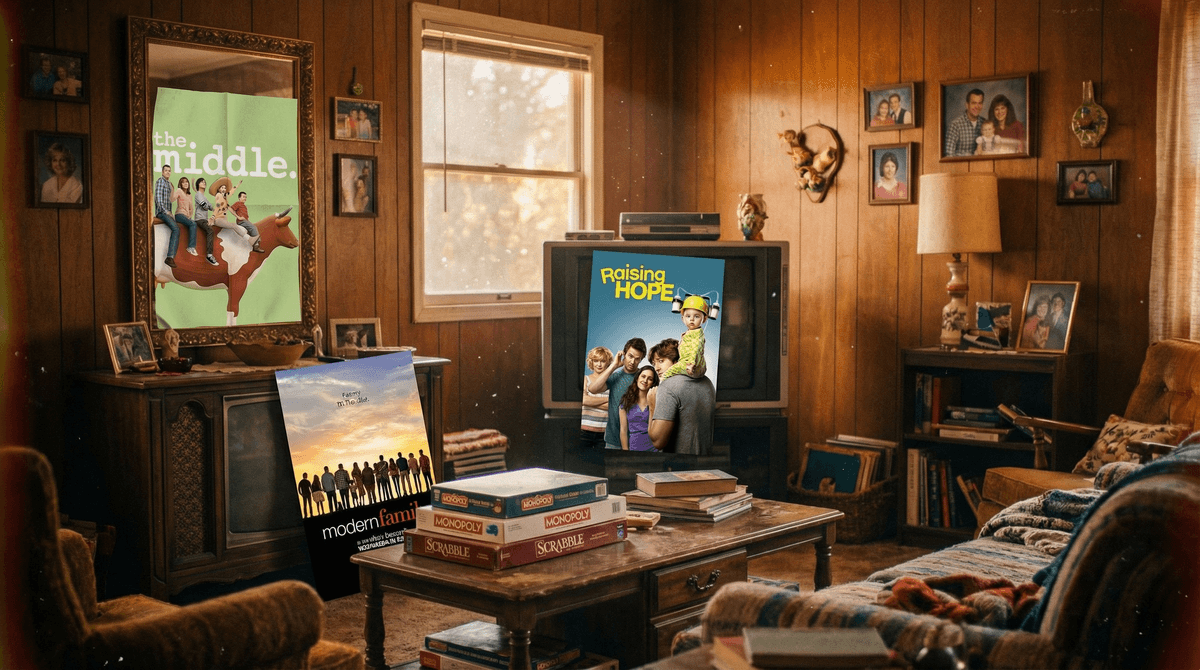
Raising Hope is a sitcom that aired from 2010-2014 about Jimmy Chance, a 23-year-old who suddenly becomes a single dad after a one-night stand results in a baby girl named Hope. Living with his quirky, working-class family—including his parents (who had him when they were teens themselves) and his great-grandmother—Jimmy navigates the chaos of unexpected parenthood with a lot of heart and genuinely funny moments.
The show has that warm, goofy vibe of classic family sitcoms, but it's definitely not a kids' show. It carries a TV-PG rating, though many episodes push into TV-14 territory with sexual references, crude humor, and mature themes that might make you wonder who exactly this rating is for.
Here's the thing: Raising Hope has found new life on streaming platforms, and its wholesome appearance—a show about family and raising a baby—can be deceiving. The show has genuine sweetness and actually depicts a loving, if unconventional, family working together to raise Hope. That positive core message about family support and stepping up to responsibility is real.
But it's wrapped in a package with a lot of sexual innuendo, references to drug use, criminal behavior played for laughs, and humor that assumes you're an adult who can contextualize it all. Kids scrolling through might see "family comedy" and think it's like Full House or The Middle. It's not.
The Good Stuff
Positive family values: Despite the chaos, the Chance family genuinely loves each other and works together. Jimmy's commitment to being a good dad—even when he has no idea what he's doing—is actually pretty touching.
Growth and responsibility: The show doesn't glorify Jimmy's situation. It shows him working hard, making sacrifices, and learning to put Hope first. There's real character development here.
Humor with heart: When the show isn't going for shock value, it has genuinely funny moments about the absurdity of parenting and family life that adults will relate to.
The Not-So-Good Stuff
Sexual content: This is the big one. There are constant references to sex, sexual situations, and innuendo. The premise itself involves a one-night stand, and the show doesn't shy away from discussing Jimmy's dating life, his parents' active sex life (yep), and various sexual mishaps. Nothing graphic is shown, but it's talked about constantly.
Crude humor: Bodily functions, gross-out moments, and generally lowbrow comedy are regular features. Some of it lands, some of it feels like they're trying too hard.
Questionable behavior: Characters have criminal records, engage in petty theft, lie regularly, and make terrible decisions that somehow work out. It's played for laughs, but younger viewers might not get that these aren't role models.
Stereotypes: The show leans heavily into "white trash" stereotypes about working-class families. Sometimes it's affectionate, sometimes it feels mean-spirited. Your mileage may vary on whether this lands as satire or just punches down.
Language: While not excessive, there's mild profanity and plenty of crude language throughout.
Under 13: Hard pass. The sexual content alone makes this inappropriate, and younger kids won't have the context to understand why the family's dysfunction is supposed to be funny rather than concerning.
Ages 13-15: Still probably not great. Early teens might find the humor appealing, but there's a lot here that normalizes casual sex, irresponsible behavior, and crude humor that you might not want to reinforce. If your teen stumbles across it, it's not the end of the world, but it's not something I'd recommend for family viewing.
Ages 16+: This is where it becomes more of a judgment call based on your family values and what you've already discussed with your teen. Older teens who understand context, consequences, and can laugh at the absurdity without taking it as a guide to life? Sure. But be aware of what they're watching.
For parents: Honestly, this is an adult show that happens to be about parenting. If you want a lighthearted comedy about the chaos of raising kids, you might enjoy it—just don't watch it with your kids.
Raising Hope has a genuinely sweet core about family love and stepping up when life throws you curveballs. But it's wrapped in so much sexual content, crude humor, and questionable behavior that it's really not appropriate for kids or young teens, despite what that TV-PG rating might suggest.
If you're looking for actual family-friendly comedies about parenting and family dynamics, check out The Middle, Modern Family (though that has some mature moments too), or Bluey if you've got younger kids. For teens who can handle more mature content but with less sexual focus, The Goldbergs or Fresh Off the Boat might be better bets.
And if your kid has already watched it? Don't panic. Use it as a conversation starter about why the situations in the show are funny on TV but wouldn't be great choices in real life. Talk about the difference between entertainment and reality, and why we can laugh at fictional characters making bad decisions while still knowing better ourselves.
The real question: Is this show teaching anything valuable, or is it just easy laughs at the expense of working-class people figuring things out? That's worth thinking about before you hit play.