

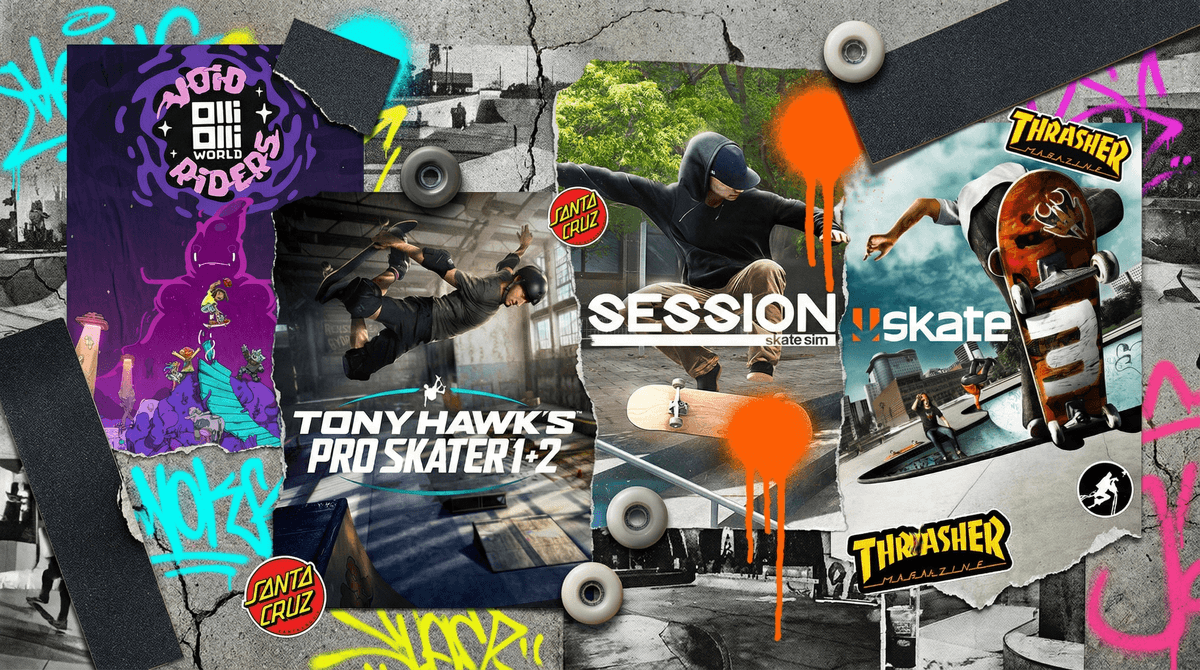
Skateboarding video games are exactly what they sound like — digital versions of skateboarding where players pull off tricks, explore urban environments, and build combos without the scraped knees. The genre has been around since the late '80s, but it really exploded in 1999 with Tony Hawk's Pro Skater, which became a cultural phenomenon that defined a generation of gaming.
These games typically involve performing tricks (kickflips, grinds, ollies), completing challenges, and exploring skate parks or open-world cities. Some focus on arcade-style action with over-the-top combos, while others aim for realistic physics and authentic skateboarding culture. The genre has evolved significantly, from button-mashing combo builders to nuanced simulations that require genuine skill and timing.
The freedom factor is huge. Unlike many games with linear missions or strict objectives, skateboarding games often let players just... exist in a space. Want to spend 20 minutes perfecting a single line through a skate park? Cool. Want to explore every corner of a virtual city looking for secret spots? Go for it. This open-ended gameplay appeals to kids who crave creative expression and self-directed play.
The progression feels tangible. Landing a trick you've been attempting for an hour hits different. These games reward persistence and practice in ways that feel genuinely earned. Kids can see themselves improving, which builds confidence and encourages that "one more try" mentality that's actually... kind of healthy when it comes to building resilience.
The music absolutely slaps. The Tony Hawk games introduced millions of kids to punk, hip-hop, and alternative rock. Even today, skateboarding games are known for killer soundtracks that become part of kids' actual music rotation. It's one of the few gaming genres where the soundtrack is part of the appeal, not just background noise.
The culture is aspirational. Skateboarding represents independence, creativity, and a bit of rebellion — all things that resonate with kids and teens figuring out their identity. These games let them participate in that culture without needing a board, skate park access, or the physical coordination that real skateboarding demands.
Tony Hawk's Pro Skater 1+2 (2020 remaster) — This is the gold standard, the OG. Arcade-style gameplay with massive combos, iconic levels, and that perfect balance of accessible but challenging. Rated E10+ (Everyone 10+), and honestly appropriate for younger kids who can handle the controls. The remaster looks gorgeous and includes the legendary soundtrack. This is where most kids should start.
Skate 3 — The more realistic counterpart to Tony Hawk. Uses a "flick-it" control scheme where you manipulate the right stick to perform tricks, which feels more authentic but has a steeper learning curve. Rated T (Teen) for mild language and crude humor. The community has kept this 2010 game alive through YouTube videos and memes, and EA recently announced Skate 4 is in development .
.
OlliOlli World — A 2D side-scrolling skateboarding game with a gorgeous art style and surprisingly deep mechanics. Rated E (Everyone), this is perfect for younger kids or anyone who finds 3D skateboarding games overwhelming. The aesthetic is welcoming and inclusive, and the difficulty scales nicely.
Session: Skate Sim and Skater XL — These are for the serious simulation crowd. Each analog stick controls a different foot, making the learning curve basically vertical. Rated T, and honestly more appropriate for teens or adults who want an authentic skateboarding experience. Not recommended for casual players or younger kids.
Ages 6-9: OlliOlli World is your best bet. The 2D perspective is easier to grasp, the controls are simpler, and the vibe is cheerful without being babyish. Tony Hawk's Pro Skater 1+2 can work for kids on the older end of this range, especially if they're comfortable with 3D games.
Ages 10-13: This is prime Tony Hawk territory. The remastered Tony Hawk's Pro Skater 1+2 offers enough depth to stay engaging while remaining accessible. Skate 3 becomes appropriate here too, though the realistic physics can be frustrating for some kids.
Ages 14+: Everything's on the table. Teens who want a challenge will appreciate Session or Skater XL, though these games require patience and won't appeal to everyone. The Tony Hawk games remain fun regardless of age — there's a reason adults still play them decades later.
The skill ceiling varies wildly. Tony Hawk games are easy to pick up but hard to master. You can have fun button-mashing, but true mastery takes practice. The simulation games (Session, Skater XL) are genuinely difficult and can be frustrating for kids who expect instant gratification. Set expectations accordingly.
Online features are minimal in most titles. Unlike Fortnite or Roblox, skateboarding games are largely single-player experiences with optional online leaderboards or multiplayer modes. This means less social pressure, no voice chat concerns, and no microtransaction rabbit holes. It's refreshingly old-school in that way.
The music might need a preview. The soundtracks are genuinely great, but they include punk rock, hip-hop, and alternative music that sometimes contains explicit language. Most games let you customize the soundtrack or turn off specific songs. Worth checking the track list if you're particular about music content.
These games can inspire real-world interest. Don't be surprised if your kid suddenly wants a skateboard. This isn't necessarily a bad thing — skateboarding is great exercise, builds coordination, and has a supportive community. Just be prepared for the helmet conversations and potential emergency room visits. Here's what to know about getting your kid into actual skateboarding.
The "one more try" factor is real. These games are designed around short sessions and immediate retry mechanics. It's easy to spend an hour attempting the same challenge. This persistence can be valuable, but watch for frustration levels — some kids need reminders to take breaks when they're stuck.
Violence/Safety: There's no violence in skateboarding games. You bail, you get up, you try again. The most "intense" content is watching your character ragdoll after a failed trick, which is usually more funny than concerning.
Language: Varies by title. Tony Hawk's Pro Skater 1+2 is clean. Skate 3 includes some mild language and crude humor (characters might say "damn" or make immature jokes). The simulation games are generally clean but include realistic skateboarding culture, which can include some edgier aesthetics.
Monetization: Most skateboarding games use traditional purchase models — you buy the game, you own the content. Tony Hawk's Pro Skater 1+2 has no microtransactions. Some newer titles offer cosmetic DLC (new boards, outfits), but it's never predatory or necessary for gameplay.
Skateboarding video games are one of the healthier gaming genres for kids. They encourage persistence, reward practice, offer creative expression, and lack the social pressures or monetization schemes that make other games problematic. The skill progression feels earned, the music is legitimately good, and the culture promotes individuality and creativity.
Start with Tony Hawk's Pro Skater 1+2 — it's accessible, appropriately rated, and fun for the whole family. If your kid wants something more challenging and realistic, Skate 3 is the next step. For younger kids or those who prefer 2D games, OlliOlli World is delightful.
The biggest "risk" is that your kid might actually want to try skateboarding in real life. Which, honestly? Not the worst outcome from a gaming hobby.
- Check out alternatives to skateboarding games if you want similar vibes in different sports (BMX, snowboarding, etc.)
- Curious about other sports games? Learn about sports games for kids
- Want to understand gaming skill development? Read about how video games build real skills