

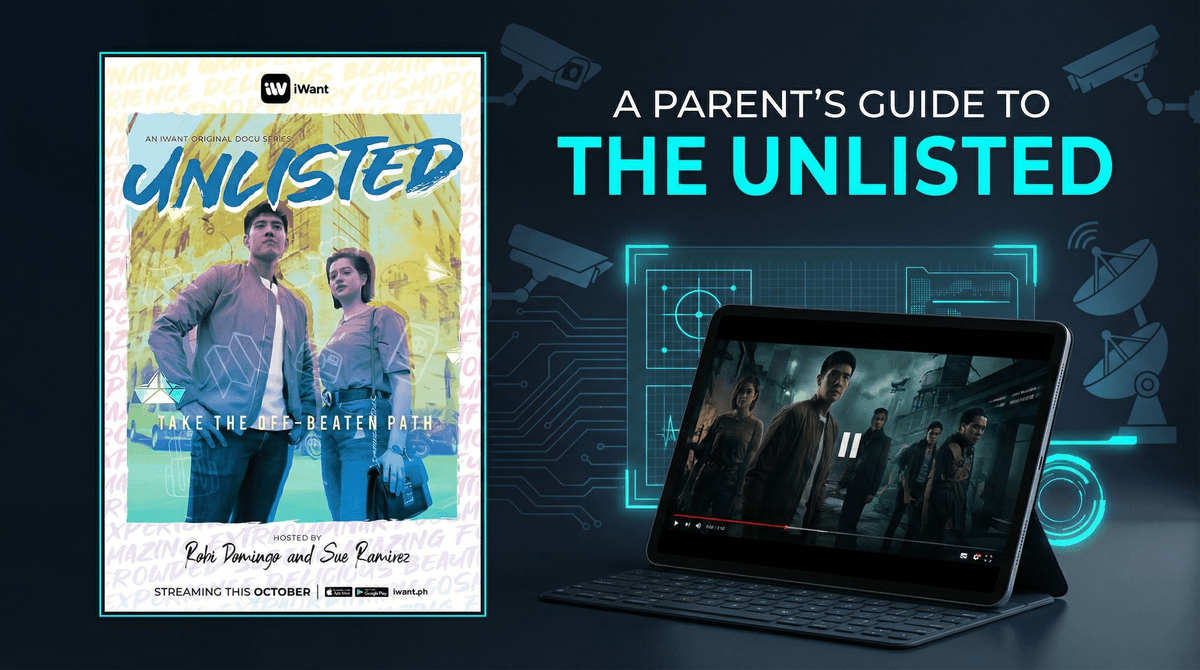
The Unlisted: Should Your Tween Watch This Dystopian Thriller?
TL;DR: The Unlisted is an Australian sci-fi series about kids fighting government surveillance through implanted tracking devices. It's got strong themes about bodily autonomy, consent, and resistance that'll spark real conversations—but the acting is uneven and the pacing drags. Best for ages 10-14 who can handle dystopian concepts and won't be freaked out by needles/medical procedures. If your kid loved The Giver or can handle Stranger Things lite, this could work.
The Unlisted is a 15-episode Australian series (available on Netflix and Hulu) that follows twins Dru and Kal Sharma after they're enrolled in a government program that implants tracking chips in kids under the guise of "global citizenship." When they discover the sinister truth—that the chips allow mind control—they join a resistance movement of other "unlisted" kids who've evaded the program.
Think Black Mirror meets Spy Kids, but aimed squarely at the tween demographic. It's part family drama, part conspiracy thriller, with kids doing parkour and hacking government databases while their parents remain blissfully unaware.
The core premise hits that sweet spot for tweens who are starting to question authority and think critically about privacy. The show takes their concerns seriously—about being tracked, monitored, and controlled by adults who claim it's "for your own good."
There's also the wish-fulfillment angle: kids outsmarting adults, forming secret alliances, and literally fighting the system. The resistance headquarters is in an abandoned building where they've set up computers and surveillance equipment. It's basically every 11-year-old's fantasy of what they'd do if grown-ups weren't in charge.
The Australian setting gives it a slightly exotic feel for American audiences, and the diverse cast (Indian-Australian leads, plus kids from various backgrounds) feels refreshingly normal rather than tokenized.
It tackles real themes with nuance. The show doesn't shy away from conversations about bodily autonomy, informed consent, and what happens when you trade privacy for convenience. When Dru's mom enthusiastically signs them up for the program, believing the government propaganda about "keeping kids safe," it's uncomfortably familiar to anyone who's clicked "accept all cookies" without reading the fine print.
The sibling dynamics are solid. Dru and Kal have believably different reactions to the situation—Dru is cautious and analytical, Kal is impulsive and action-oriented. Their arguments feel real, not manufactured for drama.
It shows consequences. When kids make mistakes, people get hurt. When they break rules, there are actual stakes. The show doesn't treat its young characters as invincible, which makes the tension work better.
The surveillance themes are timely. In an era where kids are growing up with Ring cameras, location sharing, and parents tracking their every move via Life360, the show's questions about who gets to monitor whom hit differently than they might have a decade ago.
The acting is wildly inconsistent. Some of the kids are genuinely good, others deliver lines like they're reading off cue cards. The adult actors range from "legitimately compelling" to "community theater audition." It's distracting.
The pacing is rough. Fifteen episodes is way too many for this story. There are entire episodes that could be cut without losing anything. Around episode 8, you'll start wondering if we really need another scene of kids sneaking through air ducts.
The production values show the budget. This isn't Stranger Things money. The special effects are serviceable but not impressive. The "high-tech" government facility looks like an office building with some extra monitors. If your kid is used to Marvel-level production, this will feel cheap.
Some plot points are eye-rollingly convenient. Oh, you need to hack into a secure database? Good thing one of the kids' dads happens to work there. Need to get past security? Convenient that there's a ventilation shaft that leads exactly where you need to go.
The villains are cartoonishly evil. The government officials twirl their metaphorical mustaches so hard it's hard to take them seriously. There's no moral ambiguity here—they're just bad, full stop.
Best for: Ages 10-14
Probably too young for: Under 10 unless they're unusually mature and already comfortable with dystopian concepts. The premise of forced medical procedures and mind control could be genuinely scary for younger kids.
Might be too old for: 15+ who'll likely find it too juvenile and predictable. If they've already read The Hunger Games or watched The Maze Runner, this will feel like training wheels.
Content concerns:
- Medical stuff: Multiple scenes of needles and injection procedures. Not graphic, but prominent. Skip this if your kid has needle phobia.
- Violence: Mostly bloodless action sequences. Some punching, kids being chased, but nothing gory.
- Scary concepts: Government surveillance, mind control, kids being experimented on. The ideas are scarier than the execution.
- Family conflict: Parents who don't believe their kids, adults who betray trust. Could be upsetting if your family is dealing with trust issues.
- Language: Mild (Australian-level "bloody" and "damn," nothing stronger)
- Romance: Minimal and age-appropriate. Some hand-holding and crushes.
This will definitely spark conversations about privacy. Be ready to talk about:
- What information is okay to share vs. keep private
- The difference between safety monitoring and surveillance
- When it's okay to question authority
- How technology can be used for both good and bad purposes
Your kid will almost certainly ask about real-world tracking technology. They might question why you track their location or monitor their texts. That's not a bad thing , but be prepared to explain your reasoning in a way that doesn't sound like the show's villains.
The show is very anti-government surveillance but doesn't offer nuance. In The Unlisted universe, all monitoring is bad and all resistance is good. Real life is messier. You might need to provide context about legitimate uses of technology for safety vs. overreach.
It's bingeable but long. Fifteen episodes at 24 minutes each is about 6 hours total. That's a lot of screen time if consumed in one weekend. Consider setting episode limits if you're trying to pace it out.
The Australian slang is thick. Your kid might need subtitles, not because of accents but because of vocabulary. "Arvo" (afternoon), "heaps" (lots), "reckon" (think)—it's like a mini language lesson.
Better than: Most live-action kids' shows on Disney Channel or Nickelodeon in terms of treating its audience with intelligence.
Not as good as: Stranger Things (production values, acting), The Society (complexity), or Dark (obviously—that's for older teens).
Similar vibe to: The Worst Witch, Find Me in Paris—shows that take their young protagonists seriously but have that slightly-lower-budget international production feel.
If they like this, try: A Series of Unfortunate Events (better production, similar themes of kids vs. evil adults), Hilda (animated but smart), or the Spy School books by Stuart Gibbs.
The Unlisted is far from perfect. The acting is uneven, the pacing drags, and the production values won't blow anyone away. But it's also one of the few shows aimed at tweens that takes their concerns about privacy and autonomy seriously without talking down to them.
If your 10-13 year old is ready for dystopian themes, can handle the premise of forced medical procedures without nightmares, and you're prepared for some real conversations about surveillance and consent, it's worth watching together. The show's flaws actually make it a better co-viewing experience—you can talk about what works and what doesn't, what's realistic and what's Hollywood nonsense.
Watch it if: Your kid loved The Giver and you want something that explores similar themes in a more action-oriented format. Or if they're asking questions about why you track their phone and you want a conversation starter that isn't a lecture.
Skip it if: Your kid gets anxious about needles, isn't ready for "the government might be evil" narratives, or expects Netflix-level production quality in everything they watch.
Pro tip: Watch the first episode together and gauge their reaction. If they're engaged despite the show's limitations, keep going. If they're rolling their eyes at the acting or seem genuinely scared by the premise, there are better dystopian options for kids that might be a better fit.
And hey, at least it's not another show about kids making slime or pulling pranks. The bar for tween content is low, and The Unlisted clears it—even if it doesn't exactly soar.