

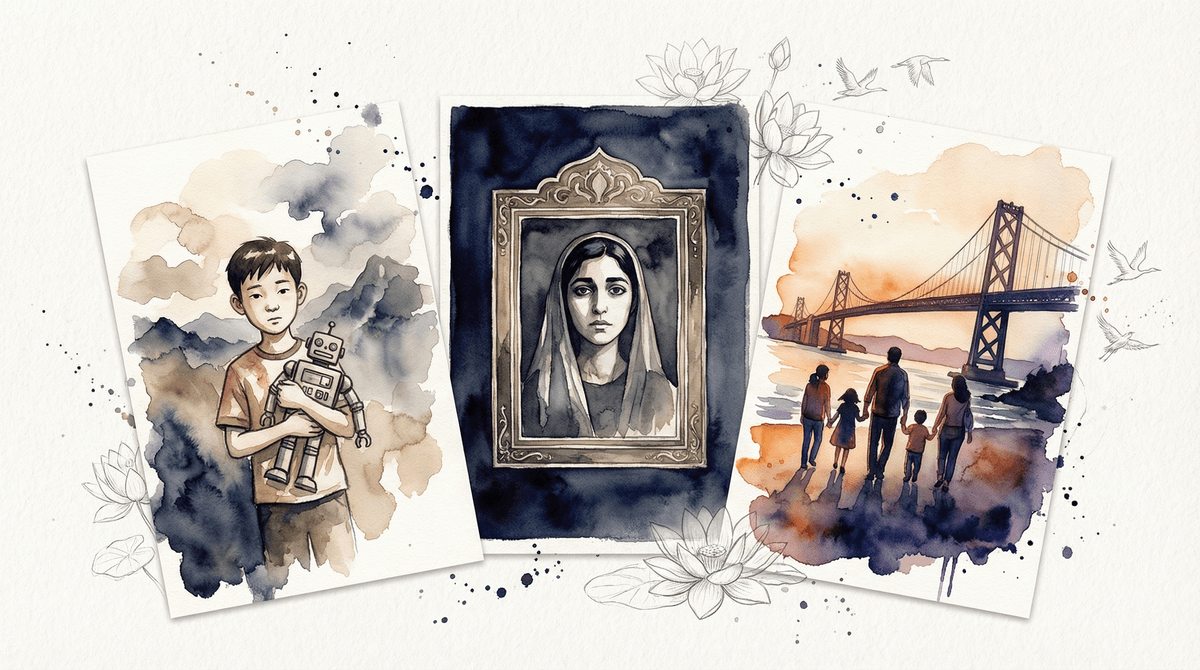
The Best We Could Do by Thi Bui is a graphic memoir that tells the story of Thi Bui's family's journey from Vietnam to America, weaving together her parents' experiences during the Vietnam War with her own journey into parenthood. It's not a kids' book—it's a deeply personal exploration of intergenerational trauma, the immigrant experience, and what it means to understand your parents as people, not just as parents.
The book is often assigned in high school English and history classes, particularly in units about the Vietnam War, immigration, or graphic novels as literature. If your teen is bringing it home from school, you're about to have some really meaningful conversations—if you approach it right.
Here's the thing: this book hits different depending on your family's story.
For families with their own immigration narratives, it can be a mirror—sometimes a painful one. For families without that experience, it's a window into something many classmates and neighbors have lived through. Either way, it's dealing with some heavy stuff: war trauma, family separation, the weight of parental sacrifice, and the complicated feelings that come with all of it.
What makes this particularly relevant for digital-age parenting is that it addresses something we don't talk about enough: how do you understand people (including your parents) as complex humans with their own trauma and stories? In an era where kids are constantly curating their own digital identities and consuming bite-sized narratives on TikTok and Instagram, this book asks them to sit with nuance, ambiguity, and the messy reality of family dynamics.
Ages 14+ is the sweet spot for this book. Here's why:
The content includes references to war violence, sexual assault, difficult births, and the psychological toll of trauma. It's not gratuitous—Bui's art style is actually quite restrained—but it's real. The themes require a level of emotional maturity and historical context that most middle schoolers aren't quite ready for.
That said, if your 13-year-old is reading it for school, don't panic. Teachers assign it because it's powerful, not because they're trying to traumatize kids. The graphic novel format actually makes difficult topics more accessible than dense historical texts might.
Content considerations:
- War violence (not graphic, but present)
- References to sexual assault
- Themes of depression and intergenerational trauma
- Some nudity in childbirth scenes (clinical, not sexual)
- Complex family dynamics that might feel uncomfortable
It's Not Just About Vietnam
Yes, the Vietnam War is central to the story, but this book is really about the invisible weight children carry from their parents' unprocessed trauma. Bui explores how her parents' survival instincts—the very things that kept them alive—created distance and difficulty in their relationships with their children.
If you've ever wondered why your own parents parented the way they did, or if you've caught yourself repeating patterns you swore you'd break, this book will resonate. It might even help you understand your own parenting choices better.
The Graphic Novel Format Is the Point
Some parents dismiss graphic novels as "not real reading." Learn more about why that's outdated thinking . The visual storytelling in The Best We Could Do does things prose couldn't—the way Bui uses color, panel layout, and visual metaphors to show memory, trauma, and emotional states is sophisticated literary work.
If your teen is resistant to reading, the graphic format might actually help them engage with complex themes they'd tune out in a traditional novel.
It Might Bring Up Family Conversations
Be prepared for questions about your family's story. Where did your parents come from? What hardships did they face? What don't you know about their lives before you?
This can be uncomfortable, especially if you don't have those answers or if your family doesn't talk openly about the past. But it's also an opportunity to model curiosity and empathy.
Ask Open-Ended Questions
Instead of "Did you like it?" try:
- "What surprised you about Thi Bui's parents' story?"
- "Were there any moments that reminded you of our family?"
- "What do you think Bui means by 'the best we could do'?"
- "How did the art style affect how you understood the story?"
Share Your Own Story (If You're Comfortable)
This is a great opportunity to share age-appropriate parts of your own family history. You don't need to trauma-dump, but sharing what you know about your parents' or grandparents' lives can help your teen see their own place in a longer family narrative.
Connect It to Current Events
The book touches on immigration, refugee experiences, and the long-term effects of war—all relevant to current global situations. You might explore how immigration narratives are portrayed in media today.
Validate Their Feelings
If the book brings up difficult emotions about your own family dynamics, that's normal. Thi Bui is honest about feeling disconnected from her parents, about not understanding them until she became a parent herself. If your teen relates to that, listen without getting defensive.
The Best We Could Do by Thi Bui is one of those rare books that can genuinely shift how young people think about their parents, their family history, and their own identity. It's heavy, yes, but it's also hopeful in its own way—it's about the possibility of understanding and empathy across generations.
For parents: Consider reading it yourself, especially if your teen is assigned it for school. It's a quick read (you can finish it in an evening), and having shared context will make conversations so much richer.
For families with immigration stories: This might be an entry point for conversations you've been meaning to have. It might also be painful. Both things can be true.
For all families: This book is a reminder that everyone—including you—is doing the best they can with the tools and experiences they have. Sometimes that's enough. Sometimes it's not. And that's the complicated truth of being human.
- Read it together (or at least read it yourself if your teen is reading it for school)
- Ask your teen what they're learning in class about the historical context
- Share what you're comfortable sharing about your own family's story
- Consider other graphic memoirs like Persepolis by Marjane Satrapi or American Born Chinese by Gene Luen Yang if your teen connects with this format
And remember: the goal isn't to have all the answers. It's to create space for questions, empathy, and understanding—the same things Thi Bui was searching for when she wrote this book.