

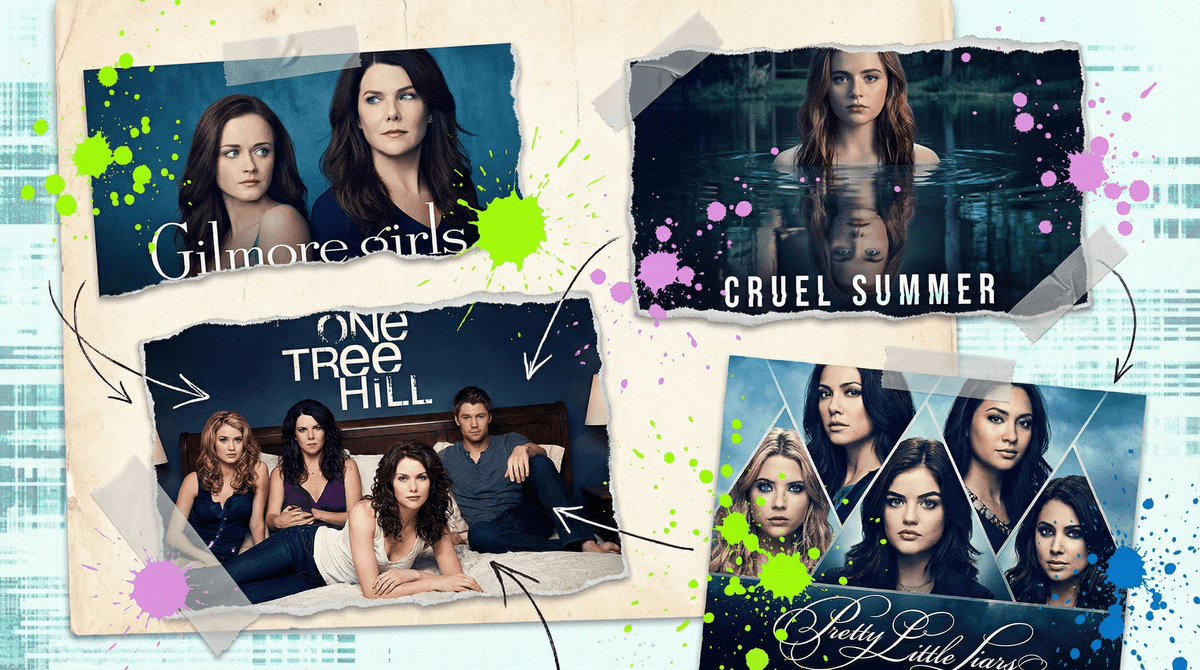
The Best Binge-Worthy Teen Dramas on Hulu: What Parents Should Preview First
TL;DR: Hulu's teen drama library is a mixed bag of nostalgia classics and newer series with wildly different content levels. One Tree Hill and Gilmore Girls are surprisingly solid gateway shows for younger teens. Pretty Little Liars is peak binge-watching chaos but comes with serious content warnings. The Handmaid's Tale is absolutely not for teens despite what your 15-year-old insists. Here's what's actually worth the family streaming budget and what you should preview first.
Teen dramas are having a moment again—or maybe they never stopped having one. Your teen wants to watch what their friends are watching, what TikTok is referencing, what has spawned a thousand memes. But unlike the days when you could flip past a questionable channel, streaming means they can binge an entire season of something wildly inappropriate before you even know it exists.
Hulu's library is particularly tricky because it mixes genuinely thoughtful coming-of-age stories with shows that use "teen drama" as cover for pretty adult content. The difference between a show that explores teen issues and one that exploits them isn't always clear from the thumbnail.
Ages: 13+
This 2003-2012 basketball drama is peak early-2000s teen television, and honestly? It holds up better than it has any right to. Yes, the fashion is tragic. Yes, the music is aggressively emo. But underneath the melodrama is a surprisingly thoughtful show about class, family dysfunction, and finding your identity when everyone has plans for who you should be.
What to know: The first few seasons are pretty safe for younger teens—typical high school drama about sports, relationships, and friend groups. Later seasons get heavier with topics like depression, school shootings, and stalking. The show doesn't shy away from consequences, which is actually refreshing. Characters make bad decisions and face real fallout.
Parent preview: Watch Season 1, Episodes 1-3 to get the vibe. If the relationship drama and basketball rivalry feel manageable for your teen, you're probably good through Season 4. Later seasons (5-9) deal with young adult life and should be evaluated separately.
Ages: 11+
If your teen hasn't discovered this yet, you're in for a treat. Fast-talking mother-daughter duo navigating a small Connecticut town with more coffee references than should be legally allowed. This is one of the rare teen-adjacent shows that's genuinely co-watchable with younger and older kids.
What to know: The relationship between Lorelai and Rory is the gold standard for how to portray a close parent-teen dynamic without making it cringey. The show deals with academic pressure, first relationships, family expectations, and class differences with actual nuance. The worst thing that happens is some teenage drinking and relationship drama that feels realistic rather than sensationalized.
Parent preview: Honestly, just start watching. This is one of the safest bets in the teen drama category. The biggest controversy is whether Rory should have ended up with Dean, Jess, or Logan (it's Jess, fight me).
Ages: 13+
Two teenage girls discover they were switched at birth and have to navigate relationships with both their biological and adoptive families. What makes this show special is that one of the main characters is deaf, and the show incorporates ASL throughout, eventually doing entire episodes in sign language.
What to know: This show tackles class differences, disability representation, and identity in ways that feel authentic rather than after-school-special. There's romance and drama, but it's balanced with genuine character development. Later seasons deal with more mature themes including sexual assault and police brutality.
Parent preview: Watch the pilot and Episode 1.12 ("The Tempest") to see how the show handles both lighter and heavier content.
Ages: 15+ (and that's generous)
Let's be real: this show is absolutely bonkers. Four high school girls are tormented by a mysterious stalker who knows all their secrets after their friend goes missing. It spawned countless memes, launched careers, and kept viewers hooked for seven seasons despite making absolutely no logical sense.
What to know: This show is dark. We're talking student-teacher relationships portrayed as romantic, constant gaslighting, stalking, murder, and psychological torture. The mystery is genuinely compelling, which is why it's so bingeable, but the content is way more intense than the teen drama label suggests. Multiple adults pursue relationships with teenagers, and the show doesn't always frame this as the predatory behavior it is.
Parent preview: Watch Season 1, Episodes 1-2, but know that the content only escalates from there. If you're considering this for a younger teen, read this guide to Pretty Little Liars first.
Real talk: If your teen is already watching this with friends, don't panic. Use it as an opportunity to talk about how relationships are portrayed in teen dramas versus reality. The student-teacher storylines alone are worth a conversation about power dynamics and grooming.
Ages: 14+
A high schooler gets pregnant at band camp (yes, really) and the show follows her navigating teen parenthood. This show tries so hard to be a thoughtful exploration of teen pregnancy and instead becomes a fascinating time capsule of 2008's very earnest, very awkward approach to "issue" television.
What to know: The show's heart is in the right place, but the execution is... something. Every character makes bafflingly bad decisions while delivering dialogue that sounds like it was written by someone who learned about teenagers from a textbook. That said, it does show realistic consequences of teen pregnancy and explores how one decision ripples through multiple lives.
Parent preview: Episode 1 will tell you everything you need to know. If the earnest-but-clunky approach to serious topics works for your family, it could spark good conversations. If it makes you cringe into another dimension, skip it.
Ages: 18+ (seriously)
"But Mom, we're reading the book in English class!" Cool. The book is intense. The show is traumatizing. This dystopian drama about a totalitarian society that enslaves women for reproduction is brilliant television and absolutely not appropriate for teenagers.
What to know: Graphic sexual violence, torture, psychological abuse, and unrelenting bleakness. Even if your teen is mature and you've discussed heavy topics, this show is designed to be viscerally disturbing for adults. The fact that it's based on a book taught in schools doesn't make the visual adaptation appropriate for the same age group.
If your teen insists: Have them read the book first and discuss it. If they're genuinely interested in the themes (totalitarianism, bodily autonomy, resistance), there are better entry points. Here are books about dystopian societies that are actually age-appropriate.
Ages: 16+
A psychological thriller about a popular girl who goes missing and the awkward girl who seems to take over her life. The non-linear storytelling is compelling, but this is another show that uses "teen drama" as a Trojan horse for pretty dark content.
What to know: Kidnapping, grooming by a trusted adult, PTSD, and gaslighting are central to the plot. The show handles these topics more thoughtfully than some others, but it's still heavy. The mystery format makes it incredibly bingeable, which means your teen could blow through intense content quickly.
Parent preview: Watch the first episode together. The show's structure makes it hard to gauge from one episode, but you'll get a sense of the tone and whether your teen is ready for it.
Ages 11-13: Gilmore Girls is your safest bet. One Tree Hill (early seasons) works for mature 13-year-olds who can handle relationship drama.
Ages 14-15: Add Switched at Birth and later seasons of One Tree Hill. The Secret Life of the American Teenager if you're ready for pregnancy conversations.
Ages 16+: Pretty Little Liars and Cruel Summer become options, but preview first and be ready for conversations about the content.
Ages 18+: The Handmaid's Tale and other adult dramas.
The binge factor is real. Teen dramas are engineered for marathon viewing. Cliffhangers, relationship drama, and mystery plots make it hard to stop after one episode. Set expectations about episode limits before starting a series.
Co-watching is your friend. Even with older teens, watching together (or at least watching the same show on your own time) gives you natural conversation starters. "Did you see the episode where..." is way less awkward than "We need to talk about relationships."
Friend group pressure is intense. If everyone at school is talking about Pretty Little Liars, your teen will feel left out if they can't watch it. Sometimes the answer is "not yet," sometimes it's watching together, and sometimes it's helping them find other shows their friends are also watching that are more appropriate.
Streaming makes monitoring harder. Unlike traditional TV, you can't just check the channel. Use Hulu's profile and parental control features, but also build a culture where your teen knows to ask before starting a new series. Frame it as "let's make sure it's something you'll actually like" rather than pure restriction.
The "everyone's watching it" claim needs verification. Teens genuinely believe everyone is watching something if three people mention it. See what shows teens are actually watching or check with other parents about what's actually popular versus what your teen thinks is popular.
Hulu's teen drama library ranges from genuinely good television that happens to feature teenagers to shows that use high school as set dressing for very adult content. The difference matters.
Gilmore Girls and early seasons of One Tree Hill are solid choices that won't require crisis management. Pretty Little Liars is peak teen drama chaos but needs serious preview time and ongoing conversations. The Handmaid's Tale is not a teen show no matter what the English teacher assigned.
The best approach? Preview the first few episodes of anything your teen wants to watch, read parent reviews, and trust your gut about what your specific kid can handle. Teen dramas aren't inherently bad—some are actually great—but they're not all created equal, and the thumbnail doesn't tell you what you need to know.
- Set up separate Hulu profiles for each kid with appropriate content ratings
- Preview the first 2-3 episodes of any new series before giving the green light
- Create a "to watch" list together so you know what's in the queue
- Check out alternatives to teen dramas if you want similar vibes with less content concern
- Get advice on whether a specific show is appropriate for your teen about specific shows you're unsure about
And remember: if your teen has already watched something you wish they hadn't, it's not too late to have the conversation about what they saw and how it compares to reality. Sometimes the best teaching moments come from media we wish they hadn't consumed in the first place.