

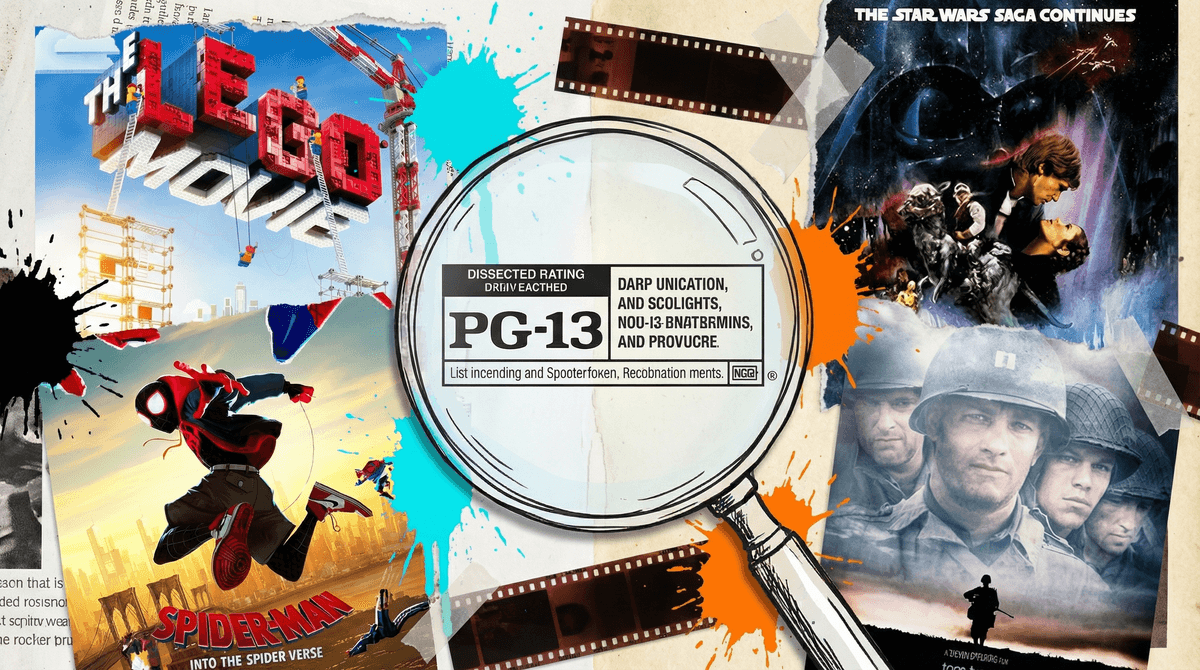
Look, we need to talk about the fact that the MPAA rating system is kind of... not great at helping you make actual decisions. A movie can get slapped with a PG-13 for a single F-bomb while another PG-13 has people getting graphically tortured. Both are "PG-13." Cool, super helpful.
Here's the thing: not all movie violence is created equal, and some of it is actually totally fine for your kid—even if it looks intense on paper. The context matters way more than the content count. A movie where the hero punches a cartoon villain and they bounce back up is fundamentally different from a realistic depiction of someone getting beaten up, even if both involve "violence."
This isn't about being permissive or restrictive—it's about being intentional. Some action sequences teach resilience, heroism, and consequence. Others are just... trauma for entertainment. Let's figure out the difference.
Kids today are growing up in a weird media landscape. They can't watch The Goonies because it's "too scary," but they've somehow seen every YouTube compilation of Minecraft players screaming at horror mods. They're not allowed to watch PG-13 movies but they've absorbed every meme from Squid Game through TikTok osmosis.
The result? Parents are either being overly restrictive based on arbitrary ratings, or they're throwing up their hands and letting kids watch whatever because "they'll see it anyway." Neither approach is ideal.
The better path: Learn to evaluate violence based on what it actually does to your kid's brain and emotional development, not what some rating board decided in a conference room.
Here's what to consider when evaluating whether movie violence is okay for YOUR kid:
1. Realism vs. Fantasy
A lightsaber duel in Star Wars hits different than a realistic war scene. Fantasy violence—where the rules of our world don't apply—is generally easier for kids to process. They understand it's pretend.
Realistic violence (even if it's "mild") can be harder because kids map it onto their actual world. A schoolyard fight scene might be more disturbing than an alien battle royale.
2. Consequence and Context
Does the violence have weight? In Spider-Man: Into the Spider-Verse, when someone gets hurt, it matters. The movie shows grief, loss, and the responsibility that comes with power. That's different from violence that's just... there for spectacle.
Good violence (yes, that's a phrase we're using) shows:
- Consequences for actions
- Emotional impact on characters
- A moral framework
- Resolution that doesn't glorify the violence itself
Problematic violence is:
- Gratuitous (violence for its own sake)
- Glorified (making cruelty look cool)
- Consequence-free (people bounce back instantly)
- Sadistic (enjoying others' pain is the point)
3. Your Kid's Temperament
This is huge. Some 8-year-olds can handle The Incredibles fight scenes without blinking. Others have nightmares about Darth Vader's breathing.
Questions to ask yourself:
- Does my kid tend to replay violent scenes in their play?
- Do they get nightmares easily?
- Can they separate fantasy from reality?
- Do they understand moral complexity, or are they still in black-and-white thinking?
4. The "Why" Behind the Violence
A war movie that shows the horror of conflict (Saving Private Ryan) is anti-violence, even though it's intensely violent. A movie that makes war look like a fun video game is pro-violence, even if it shows less blood.
What message is the violence sending? That's what matters.
Ages 5-7: Stick with clearly fantastical, low-stakes violence. Think Kung Fu Panda or The Lego Movie. Characters should bounce back, the tone should be light, and there should be clear good vs. evil.
Ages 8-10: Can start handling more consequence-based violence in fantasy contexts. Marvel movies like Black Panther or Guardians of the Galaxy work here. The violence has stakes but isn't realistic or graphic.
Ages 11-13: Can begin processing more complex moral situations and realistic consequences. Movies like The Hunger Games or Ender's Game can prompt great conversations about violence, power, and morality.
Ages 14+: Depends entirely on maturity, but many teens can handle realistic war movies, historical violence, or complex moral situations—especially if you're watching together and can process afterward.
The rating system is broken. PG-13 was literally invented because Indiana Jones and the Temple of Doom was too intense for PG but not quite R-rated. It's a compromise category that now includes everything from Spider-Man: Homecoming to intense psychological thrillers.
Common Sense Media is your friend. They break down exactly what kind of violence is in a movie, not just how much. Check their detailed reviews before making a call.
Watch trailers together. Your kid's reaction to the trailer can tell you a lot. If they're covering their eyes or asking worried questions, maybe wait. If they're excited and asking about the story, you're probably good.
Co-viewing is a superpower. Watching together means you can:
- Pause and discuss confusing or scary moments
- Provide context ("Remember, this is pretend")
- Process emotions in real-time
- Use it as a conversation starter about real-world violence
Your values matter most. Some families are fine with fantasy violence but not okay with any realistic depictions. Others are the opposite. Some care more about language than violence. There's no universal right answer—just what works for YOUR family.
The question isn't "is there violence in this movie?" The question is:
- What kind of violence is it? (Fantasy vs. realistic, consequence-based vs. gratuitous)
- What's the message around the violence? (Glorified vs. criticized, meaningful vs. spectacle)
- Can my specific kid handle it? (Temperament, maturity, current emotional state)
- Can I support them through it? (Co-viewing, discussion, processing)
A thoughtful action sequence in a Pixar movie might teach more about courage and consequence than a "safe" show that's just mindless. Meanwhile, a PG-13 thriller might be genuinely inappropriate for your 13-year-old if they're sensitive to tension.
Trust yourself. You know your kid better than any rating board. Use ratings as a starting point, not a rulebook. And remember: watching together and talking about what you see is worth more than any perfectly curated content list.
- Start with this guide to understanding movie ratings for a deeper dive
- Check out age-appropriate action movies for specific recommendations
- Learn how to have conversations about media violence with your kids
And honestly? If you let your 9-year-old watch The Empire Strikes Back and they loved it, you didn't break them. You probably just created a lifelong Star Wars fan. Context over content, always.