

Sinners is a 2025 supernatural horror film directed by Ryan Coogler (yes, the Black Panther director) starring Michael B. Jordan in dual roles as twin brothers who return to their Jim Crow-era hometown in 1930s Mississippi, only to find themselves battling vampires. It's a genre-blending mix of historical drama, horror, and thriller that's been generating serious buzz—and yes, it's solidly R-rated.
The film hit theaters in March 2025 and quickly became one of those cultural moments where teens are quoting lines, sharing clips on TikTok, and absolutely begging their parents to take them. If your middle or high schooler is suddenly very interested in 1930s Southern Gothic aesthetics, this is probably why.
Let's be real: Michael B. Jordan playing twins in a horror movie directed by Ryan Coogler is catnip for teens. The cast is stacked, the cinematography is stunning (from what the reviews say), and it's got that perfect storm of being culturally significant and genuinely scary.
But here's what's really driving the teen interest: Sinners is being talked about as "elevated horror"—the kind of film that's scary but also has something to say. Teens love media that makes them feel sophisticated, and a vampire movie that's also about racism, family trauma, and redemption? That's the sweet spot for 14-17 year olds who want to prove they're mature enough for R-rated content.
Plus, vampire content is having a moment again. After years of sparkly Twilight jokes, horror vampires are back, and Gen Alpha/Gen Z are here for it.
Sinners earned its R-rating for violence, bloody images, and language. Here's what that actually means in practice:
The Violence: This is a vampire movie, so there's blood. Lots of it. We're talking neck-biting, graphic kills, and period-accurate violence related to the Jim Crow South setting. It's not Terrifier-level gore, but it's not A Quiet Place either.
The Scares: Coogler knows how to build tension. Expect jump scares, genuinely creepy atmosphere, and some images that will stick with you. If your kid had nightmares from Get Out, they might struggle with this one too.
The Historical Context: The Jim Crow South setting means confronting racism, violence against Black Americans, and systemic oppression. This isn't gratuitous—it's central to the story—but it's heavy and requires emotional maturity to process.
Language: It's an R-rated film set in the 1930s South dealing with racism. Yes, there's strong language, including racial slurs used in historical context.
Ages 13 and Under: Hard pass. The violence is too intense, and the historical trauma requires more context than most younger kids have.
Ages 14-15: This is the gray zone. Some mature 14-year-olds who are already into horror and have discussed racism and historical trauma in depth might be ready. But honestly? Most aren't. If you're considering it, watch it yourself first, or dig into detailed reviews to know what you're working with.
Ages 16-17: This is the sweet spot. Most older teens can handle the content and will actually engage with the themes in meaningful ways. They're studying this era in school, they understand genre conventions, and they can separate historical violence from glorification.
Ages 18+: Obviously fine, but if they're still living at home, you might want to have a conversation about watching it together or debriefing afterward.
This Isn't "Just" a Horror Movie: If you're thinking "it's just vampires, how bad could it be?"—it's more complex than that. The horror is intertwined with real historical trauma. That makes it more meaningful, but also more intense.
The Marketing Is Everywhere: Your teens are seeing clips, memes, and references constantly. About 40% of families in our community use Netflix regularly for kids' content, and 30% give kids free access to Amazon Prime—but theatrical releases like this create a different kind of FOMO because they're events. Kids feel left out of conversations if they haven't seen it.
It's Actually a Conversation Starter: If your teen is old enough and you decide to let them watch it, this is one of those rare opportunities where the content can spark real discussions about history, horror as metaphor, and how we process trauma through storytelling.
Theater vs. Streaming: Right now it's only in theaters, which actually gives you more control. Watching it in a theater with you is very different from them watching it alone on their phone at 11pm when it eventually hits streaming.
When your teen inevitably says "everyone is seeing Sinners," here's your game plan:
-
Ask what they know about it. Most teens have seen clips but don't actually know the plot. Their answer tells you if they're interested in the film itself or just the social currency.
-
Watch it yourself or read detailed reviews. You need to know what you're saying yes or no to. Common Sense Media
has detailed breakdowns. -
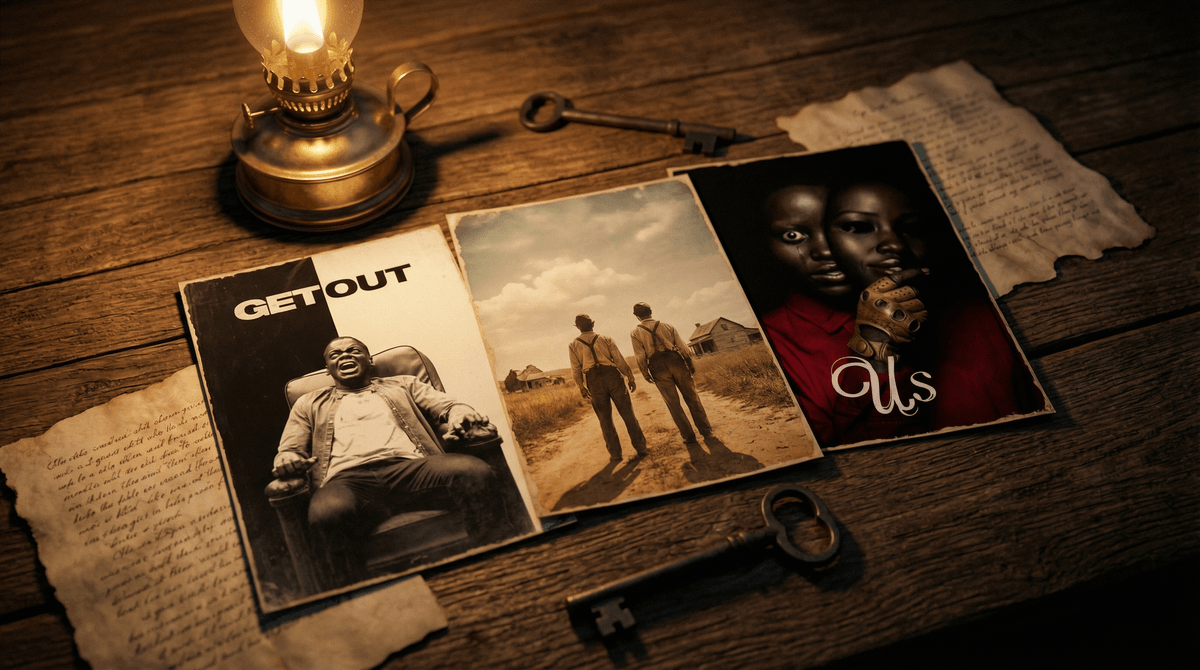
Offer alternatives. If they're not ready for Sinners but want to feel included, watch Get Out or Us together—same director's earlier work, still thought-provoking horror, slightly less intense.
-
Make it a shared experience. If you do say yes, go together. The theater experience means you can debrief immediately after, and frankly, they're less likely to be traumatized sitting next to you than alone in their room.
Sinners is a well-made, culturally significant horror film that's too intense for most middle schoolers and appropriate for mature high schoolers. The R-rating is earned, and the historical context requires emotional readiness that doesn't just come with age—it comes with education and family conversations you've already been having.
If your teen is 16+, loves horror, and you've had real conversations about racism and historical trauma: This could be a powerful shared experience.
If they're younger, less mature, or you're not sure: Wait. The FOMO will pass, and the film will still be there when they're ready. There's no award for being the "cool parent" who let their kid see something that gave them nightmares or left them emotionally overwhelmed.
- Check detailed content breakdowns before making your decision
- If you say no, offer age-appropriate horror alternatives
- Use this as an opportunity to talk about how ratings work and why different families make different choices
- Consider watching Ryan Coogler's earlier films together to build up to this one
Remember: saying "not yet" isn't saying "never." It's saying "I care enough to make sure you're actually ready for this."