

How to Stop Your Kid From Becoming a Cyberbully
Let's talk about the conversation nobody wants to have: what if your kid is the problem?
We all see the headlines about cyberbullying victims, and our hearts break. We imagine our kids on the receiving end and immediately think about protection. But here's the uncomfortable truth: someone's kid is doing the bullying. And statistically, it's way more likely than you think that your child has either participated in, witnessed, or stayed silent about online cruelty.
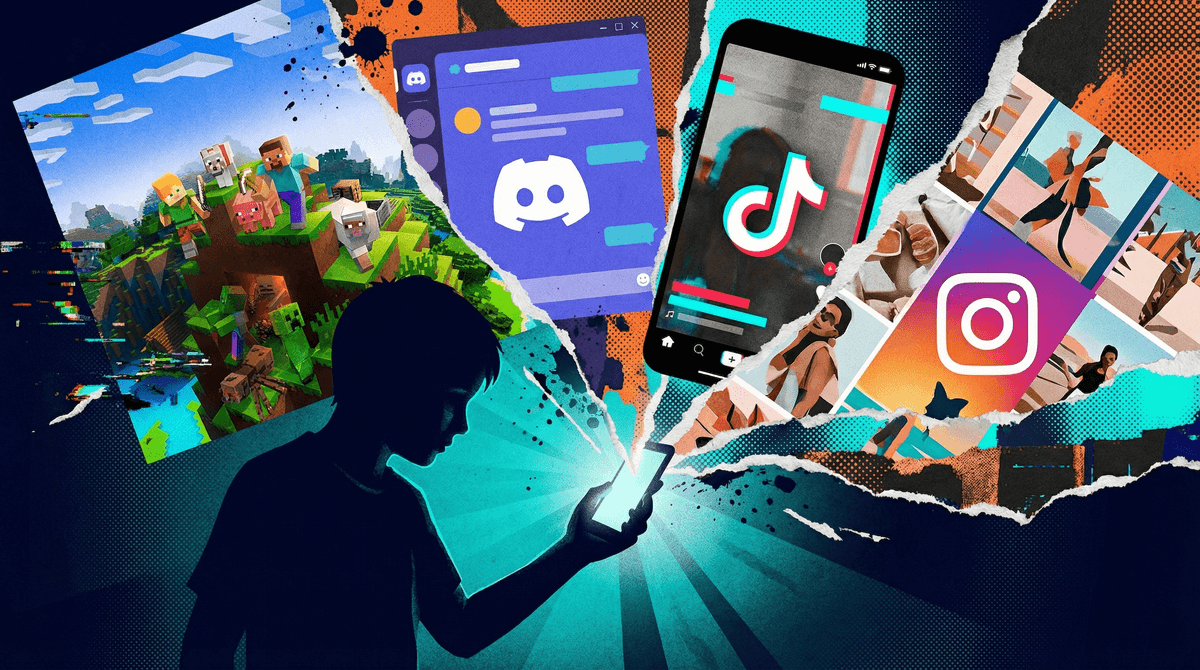
Cyberbullying isn't always the stereotypical mean girl sending "kys" messages (that's "kill yourself" in teen shorthand, if you're lucky enough not to know). It's the group chat where one kid gets slowly frozen out. It's screenshotting someone's cringey TikTok and sharing it with commentary. It's the Roblox server where kids gang up on the one who's "bad" at the game. It's the Discord where everyone's "just joking" but one kid is always the punchline.
The scary part? Kids often don't even recognize these behaviors as bullying. They think bullying requires intent to harm, when really it just requires... harm.
Before we get into the warning signs and solutions, let's understand the why. Because "my kid would never" is exactly what every parent of a cyberbully thought too.
The empathy disconnect is real. When you're typing on a screen, you don't see someone's face crumple. You don't hear their voice crack. You just see words, and maybe some emojis. The feedback loop that normally stops cruelty in person—the visible pain you're causing—doesn't exist online. Kids (and honestly, adults) say things online they'd never say face-to-face.
Social currency matters more than morals. In middle school especially, being funny matters more than being kind. Getting a laugh in the group chat can feel more important than someone's feelings. One kid becomes the target because making fun of them gets attention, likes, reactions. It's gross, but it's real.
They're working out their own stuff. Kids who feel powerless in their own lives sometimes seek power online. The kid getting yelled at by parents might turn around and yell at someone in Fortnite voice chat. The kid struggling socially might put someone else down to feel higher up the ladder.
They genuinely think it's funny. This is the one that's hardest to stomach. Sometimes kids participate in cruelty because they think it's hilarious. They're sharing the "cursed" photo of a classmate not out of malice but because it got 47 laughs on their finsta. The harm is real even when the intent isn't.
Look, you're not going to catch everything. But here are some red flags:
-
They're secretive about their online activity in a way that feels different from normal privacy. Switching screens when you walk by, angling their phone away, getting defensive when you ask basic questions about who they're talking to.
-
Their friend group has a "target." Listen to how they talk about peers. Is there one kid who's always the butt of jokes? One person they all love to hate? That's not normal friend dynamics—that's bullying with a group chat.
-
They're desensitized to cruelty. They show you something "funny" that's actually someone getting hurt or humiliated. They use slurs casually. They think "it's just a joke" is a magic phrase that erases harm.
-
Their screen time spikes around drama. If they're glued to their phone during social conflicts, they're probably participating in the pile-on, not just observing.
-
They screenshot conversations. This is a big one. Kids don't screenshot chats to preserve beautiful memories—they do it to share with others, often mockingly.
-
They talk about "exposing" people. The language of accountability has been weaponized by teens. Sometimes "exposing" someone's problematic behavior is actually just public humiliation.
Start with the empathy building (before you need it)
Don't wait until there's a problem to talk about online behavior. Make it ongoing.
Ask about their digital world like you ask about their real one. "Who'd you play Minecraft with today?" "Anything funny in the group chat?" "Did you see any drama online?" Not in an interrogation way—in a genuinely curious way. You want them to know you're interested, not suspicious.
Watch things together that spark conversation. There are shows and movies that deal with online cruelty in ways that feel real to kids. Use them as jumping-off points. "Would you have sent that message?" "What would you do if your friends were doing that?"
Role-play the bystander scenarios. Because most kids won't be the primary bully—they'll be the ones laughing along, or staying silent. "If you saw someone getting piled on in the group chat, what would you do?" Help them script responses: "this isn't funny anymore" or "I'm out" or even just changing the subject.
Set actual rules (with actual consequences)
Vague "be kind online" speeches don't work. You need specific boundaries:
-
No screenshotting private conversations to share with others. This is a hard rule in our house and should be in yours. The only exception is if they're genuinely unsafe and need to show an adult.
-
No participation in group mockery. Even if they're not starting it, they're not allowed to pile on. Not with laughing emojis, not with "💀", not with anything.
-
No posting about people without consent. This includes photos, videos, or stories about others. If someone's in it, they get to approve it.
-
The "would you say it to their face" test. If they wouldn't say it in person, they don't get to say it online. Period.
And here's the key: you need to actually follow through. If you catch them violating these rules, there need to be real consequences. Loss of device privileges, loss of specific app access, whatever matters to them. Because if there's no enforcement, they're just nice ideas.
Check their actual behavior (yes, really)
I know, I know—privacy, trust, independence. But here's the thing: if your kid is using your WiFi and devices you pay for, you have the right and responsibility to spot-check.
This doesn't mean reading every text. It means:
The goal isn't to catch them being bad—it's to create accountability. Kids behave better when they know someone might see.
Teach them about digital permanence (the scary way)
Kids need to understand that online cruelty doesn't just hurt in the moment—it can follow people forever. And honestly? It can follow them forever too.
Show them real examples of people whose lives were affected by their online behavior. College acceptances rescinded. Job offers pulled. Relationships destroyed. This isn't fear-mongering—it's reality. You can find countless examples of teens facing real consequences for cyberbullying .
.
Make them imagine their messages going viral. "How would you feel if this group chat got screenshot and shared with the whole school? With college admissions officers? With that person's parents?" If the answer is "bad," then they shouldn't send it.
Okay, so you found out your kid has been cruel online. Now what?
Don't minimize it. "Kids will be kids" is not an acceptable response to causing harm. Don't let them off the hook with "everyone does it" or "it was just a joke."
Make them face it directly. They need to apologize—sincerely, specifically, and without excuses. Not a "sorry if you were offended" non-apology. A real "I'm sorry I did [specific action], it was wrong, and I won't do it again."
Create repair, not just punishment. Yes, consequences. But also: how are they going to make this right? How are they going to be better? Maybe that means taking a break from certain apps. Maybe it means therapy to work on empathy. Maybe it means volunteering with an anti-bullying organization.
Get help if needed. If this is a pattern, if they're showing no remorse, if they're struggling with empathy in general—get professional help. This isn't something to DIY.
Here's what I wish more parents understood: preventing your kid from becoming a cyberbully is more important than preventing them from being bullied.
I know that sounds harsh. Obviously we want to protect our kids from harm. But the reality is that being bullied, while painful, doesn't make someone a bad person. Being a bully does. And the patterns kids establish now—the casual cruelty, the desensitization, the lack of empathy—those don't just go away at 18.
Your kid is going to mess up online. They're going to say something mean, or laugh at something cruel, or stay silent when they should speak up. That's part of growing up in a digital world. But whether those moments become patterns or learning experiences? That's on you.
Build empathy before you need it. Set rules before they're broken. Check behavior before it becomes habit. And if you discover they've caused harm? Address it directly, seriously, and with the understanding that this matters—not just for the kid they hurt, but for the adult your child is becoming.
- Have a conversation with your kid this week about their online behavior—not as punishment, but as connection
- Set up spot-check expectations if you haven't already (and actually do them)
- Learn how to check your kid's activity on specific platforms
- Talk to other parents in your community about creating shared standards around online behavior
- If you're concerned about patterns you're seeing, reach out to a therapist who specializes in adolescent behavior
The kids who grow up to be kind humans online? They usually have parents who gave a shit about this stuff early. Be one of those parents.