

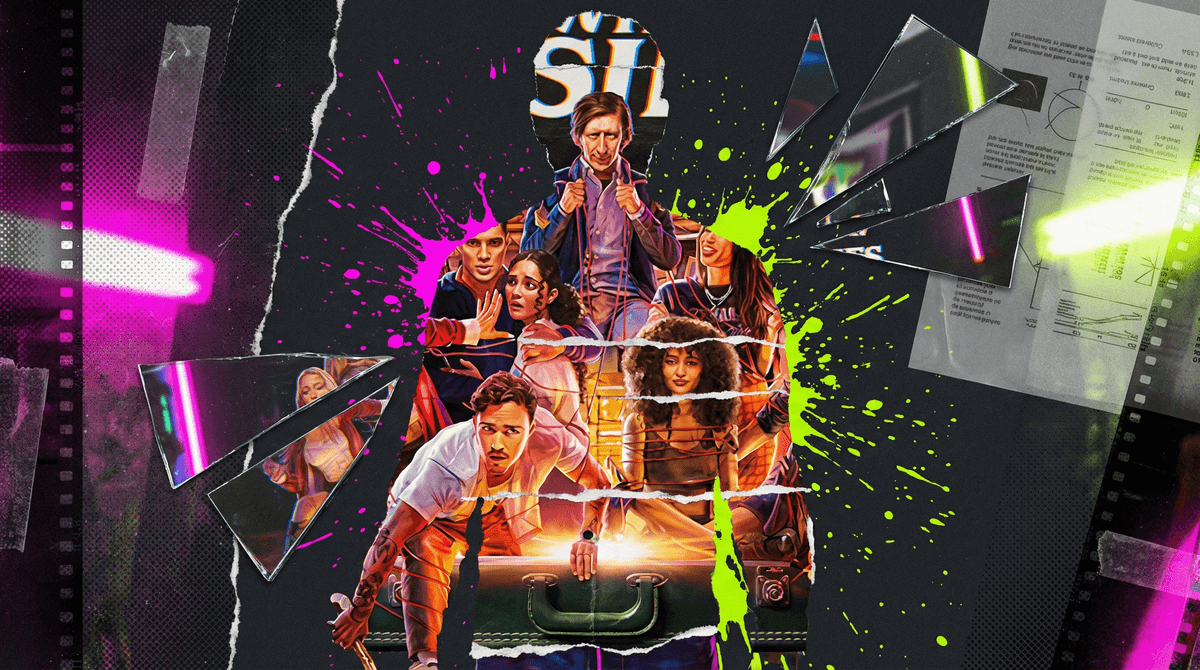
It's What's Inside: Netflix's Mind-Bending Body-Swap Thriller
TL;DR: This R-rated psychological thriller is blowing up on Netflix, and your teen probably wants to watch it. It's clever, stylish, and genuinely unsettling — but between the mature content, drinking, drug use, and some seriously dark themes around identity and consent, this is firmly ages 17+ territory. If you've got a mature 15-16 year old who handled Hereditary or Get Out, we can talk. But this isn't The Breakfast Club with a sci-fi twist.
It's What's Inside follows a group of college friends reuniting for a pre-wedding party when an estranged friend shows up with a mysterious device that lets them swap bodies. What starts as a wild party game quickly spirals into psychological horror as secrets, jealousies, and old wounds surface. Think Freaky Friday meets Black Mirror meets a really uncomfortable dinner party.
The film dropped on Netflix in October 2024 after winning the Waldo Salt Screenwriting Award at Sundance, and it's been climbing the charts ever since. Director Greg Jardin crafted something genuinely original here — the body-swapping premise has been done to death, but this execution is fresh, frenetic, and deeply uncomfortable in all the right (and wrong) ways.
The algorithm is doing its job. It's What's Inside is trending hard on Netflix, and the marketing has been everywhere. The premise is inherently appealing to teens — who hasn't wondered what it would be like to be someone else? The cast is young and attractive, the cinematography is Instagram-ready with its neon-soaked aesthetic, and the twist-heavy plot is designed for post-watch TikTok analysis.
Plus, it's getting compared to Everything Everywhere All at Once and Knives Out — high-concept thrillers that became cultural moments. Teens want in on the conversation.
Let's break down what you're actually dealing with here:
The R Rating Is Earned
This isn't a soft R. The film features:
- Sexual content: Characters discuss sex extensively, there's implied sexual activity, and some uncomfortable moments involving consent when people are in different bodies (more on that in a second)
- Drug and alcohol use: Cocaine use is shown and normalized at the party, heavy drinking throughout
- Language: Pervasive strong language
- Violence: While not gratuitously gory, there are deaths and the psychological violence is intense
- Disturbing themes: Body dysmorphia, identity crisis, betrayal, and some genuinely dark moments around what people do when consequences feel distant
The Consent Issues Are Real
This is the big one that needs a conversation. When people can swap bodies, what happens to consent? The film doesn't shy away from this — there are moments where characters kiss or touch people while inhabiting someone else's body, and it's played both for laughs and horror. For mature viewers, this raises fascinating ethical questions. For younger teens, this could normalize some seriously problematic behavior around bodily autonomy.
One character uses the body-swapping to get close to someone who would never be interested in their real body. Another character's partner kisses them while they're in a different body, not knowing it's actually them. These aren't background details — they're central to the plot's tension.
Mental Health Themes
The film digs into social anxiety, depression, body image issues, and the masks we wear around others. One character is revealed to have been institutionalized. Another struggles with feeling invisible and overlooked. While these themes could spark important conversations, they're handled with a dark, sometimes nihilistic edge that might be triggering for teens dealing with their own mental health challenges.
The Pacing Is Chaotic
This is intentional — the film uses rapid cuts, shifting perspectives, and a fractured timeline to mirror the confusion of not knowing who's in which body. It's stylistically bold and genuinely disorienting. Some teens will love this; others will find it exhausting or anxiety-inducing. If your kid struggles with sensory overload or gets motion sick from shaky cam, heads up.
Ages 17+: This is the sweet spot. Older teens who can handle mature content and engage with the ethical questions the film raises will find plenty to discuss. The body-swap premise is a great jumping-off point for conversations about identity, authenticity, and how we present ourselves to others.
Ages 15-16: This is case-by-case territory. If you've got a teen who's already watching R-rated horror, who you trust to process mature themes, and who you can have frank conversations with about consent and substance use, maybe. But know what you're getting into — this isn't a teaching moment disguised as entertainment. It's a dark thriller that happens to raise interesting questions.
Ages 14 and under: Hard pass. The content is too mature, the themes are too dark, and there are much better options for this age group. If they want body-swap stories, point them toward The Change-Up... actually, no, that's also R-rated. Try Freaky for ages 14+ or stick with the classic Freaky Friday remake.
Here's the thing: It's What's Inside is a genuinely clever film. The screenplay is tight, the performances are strong (and must have been a nightmare to coordinate with everyone playing multiple characters), and the central mystery keeps you guessing. The cinematography is striking, and the score creates a constant sense of unease.
But it's also deeply cynical about human nature. Every character is revealed to be selfish, petty, or cruel in some way. There are no heroes here. The film seems to argue that given the chance to escape consequences, everyone would betray everyone else. That's a pretty bleak worldview to present to developing brains.
The ending (no spoilers) doesn't provide easy answers or moral clarity. Some viewers will find this sophisticated and thought-provoking. Others will find it nihilistic and unsatisfying.
If your teen has already watched it or you're considering watching together, here are some conversation starters:
On Identity: "If you could be someone else for a day, who would you choose and why? Would you act differently if no one knew it was you?"
On Consent: "What did you think about [character] kissing [character] while in a different body? Is that cheating? Is it assault? Where's the line?"
On Social Media and Authenticity: The film touches on how we curate our lives for others. "Do you think the version of yourself you show online is the 'real' you? How different are your online and offline selves?"
On Friendship: "Why do you think these friends stayed connected despite clearly not liking each other? Have you ever felt pressure to maintain friendships that weren't healthy?"
If your 13-15 year old wants clever, twisty thrillers but It's What's Inside is too much, try:
- Glass Onion (PG-13): Clever mystery with a great ensemble cast and actual stakes
- The Adam Project (PG-13): Time travel, body-swapping adjacent themes, much lighter tone
- Freaky (R, but softer): Body-swap slasher that's more fun than disturbing
- Ready or Not (R): Dark comedy thriller with similar vibes but clearer moral lines
For more options, check out psychological thrillers for teens.
It's What's Inside is a smart, stylish thriller that earned its R rating several times over. It's not trying to be a family film, and it shouldn't be treated as one. The premise is fascinating, the execution is bold, and it will absolutely spark conversations — but those conversations need to happen with teens who are mature enough to handle the content.
If your 17-year-old wants to watch it, go for it. Maybe even watch together and discuss after. If your 14-year-old is begging because "everyone at school has seen it," that's a hard no with a side of "let's find something else that scratches the same itch."
The film's central question — who are you when no one's watching, when there are no consequences — is worth exploring with teens. But this particular exploration comes with a lot of baggage that younger viewers aren't ready to unpack.
Next Steps:
- Check the parental controls on Netflix to prevent younger siblings from stumbling onto this
- If you're on the fence, watch it yourself first (it's 103 minutes)
- Chat with Screenwise
 about whether it's right for your specific kid's maturity level
And if your teen has already watched it without permission? Don't panic. Use it as an opening to talk about why certain content has age restrictions and what they took away from it. Sometimes the best teaching moments come from the movies we wish they hadn't seen yet.