

Look, we all know screen time is a hot-button issue. But here's the thing: not all screen time is created equal. There's a massive difference between your kid zoning out to YouTube shorts of people eating increasingly bizarre food combinations and watching a film that actually makes them feel something for another human being.
Movies that inspire compassion are films that help kids step into someone else's shoes—whether that someone is a kid dealing with a facial difference, an elderly man processing grief through balloons and adventure, or even a robot learning what it means to care. These aren't the movies that make your kids better at defeating bosses or memorizing dance moves. These are the ones that make them better at being human.
Screenwise Parents
See allAnd honestly? In 2026, when so much of kids' digital lives revolve around curated feeds and performative kindness for likes, genuine empathy-building content feels more important than ever.
The research is pretty clear: kids who are exposed to diverse stories and perspectives develop stronger empathy skills. But it's not just about plopping them in front of any "nice" movie and calling it character education.
The magic happens when:
- The story centers someone different from them (different abilities, cultures, circumstances, species even)
- There's emotional complexity (not just "be nice" messaging but real feelings like grief, loneliness, fear)
- You talk about it afterward (sorry, but this is where the real work happens)
Think of these films as conversation starters. They're doing the heavy lifting of creating an emotional experience, and then you get to help your kid process what they just felt. Why did that character make that choice? How would you feel in that situation? What would you do differently?
Ages 4-7: Starting Simple
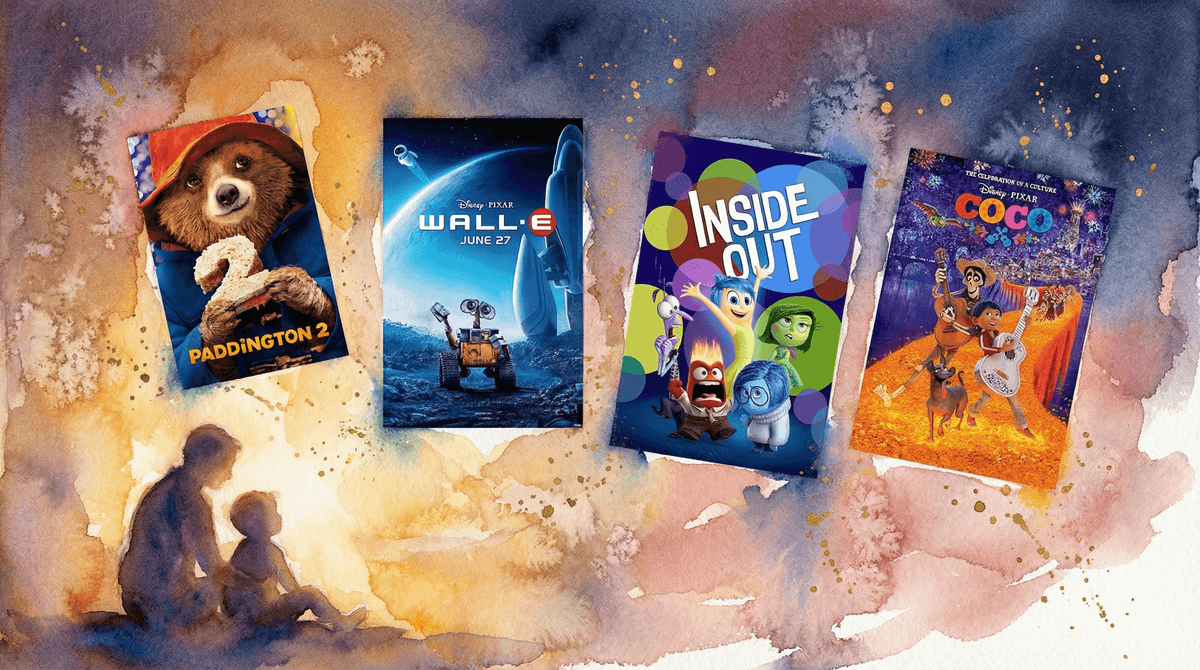
Inside Out - This Pixar classic is basically Empathy 101. It teaches kids that all emotions are valid (even Sadness!) and helps them understand that other people have complex inner lives too. Plus it's genuinely funny enough that you won't want to leave the room.
Paddington and Paddington 2 - A refugee bear who sees the best in everyone? These films are shockingly good and model kindness without being preachy. The sequel is somehow even better than the first.
Coco - Death, family, and remembering those who came before us. It's heavy themes handled beautifully for young kids, and it's a window into Mexican culture that feels authentic and celebratory.
Ages 8-12: Getting Deeper
Wonder - The gold standard for "walking in someone else's shoes." Based on the beloved book, this follows a kid with a facial difference navigating middle school. Fair warning: you will cry. Your kids might too. That's okay.
WALL-E - A robot trash compactor teaches us about loneliness, environmental responsibility, and what it means to care for someone. Barely any dialogue, maximum emotional impact.
The Boy Who Harnessed the Wind - Based on a true story about a Malawian boy who builds a wind turbine to save his village. It's on Netflix and criminally underwatched. Shows kids that problem-solving and compassion go hand in hand.
A Silent Voice - This Japanese anime deals with bullying, disability, and redemption in ways that will gut you. It's heavy—deals with depression and suicide ideation—so definitely watch it first and be ready for conversations. But for mature tweens? It's profound.
Ages 13+: Real Complexity
The Hate U Give - A Black teen witnesses her friend's death at the hands of police. It's not comfortable viewing, but it's essential. This is how you talk about systemic racism and finding your voice.
The Perks of Being a Wallflower - Mental health, trauma, and the friends who help us through. Some mature content (sexual abuse references, drug use) but handled thoughtfully.
Hunt for the Wilderpeople - A foster kid and his grumpy foster uncle go on the run in New Zealand. It's funny, it's heartbreaking, and it shows how family can be chosen and messy and beautiful.
Not every "nice" movie builds empathy. Some films just teach surface-level lessons ("sharing is good!") without creating real emotional connection. The best compassion-building films make you feel uncomfortable, sad, or challenged—not just warm and fuzzy.
Your kid might not "get it" the first time. That's normal. A 7-year-old watching Inside Out will take away something different than a 12-year-old. You can always revisit these films as they grow.
The conversation is the point. Don't just hit play and walk away. Ask questions. Share your own reactions. "That part made me really sad when..." or "I wonder why the character chose to..." These processing moments are where empathy actually develops.
Watch for avoidance. If your kid consistently refuses to watch anything "sad" or "serious," that might be worth exploring. Are they overwhelmed by big emotions? Do they lack practice processing difficult feelings? These films can actually help build that emotional tolerance in safe doses.
Screen time doesn't have to be a guilt spiral. Films that inspire compassion are genuinely valuable—they're not just entertainment, they're emotional education.
Start with one movie that feels right for your kid's age and interests. Watch it together. Talk about it. See what happens. You might be surprised by what your kid notices, what questions they ask, what connections they make.
And if you need more recommendations tailored to your specific kid? Find compassionate movies for your family's situation . Because every kid is different, and the "right" empathy-building film for a sensitive 9-year-old is probably different from what works for their eye-rolling 13-year-old sibling.
The goal isn't to turn your living room into a film studies seminar. It's just to give your kids practice feeling things for other people. In a world of endless scrolling and algorithm-driven content, that's actually pretty radical.