

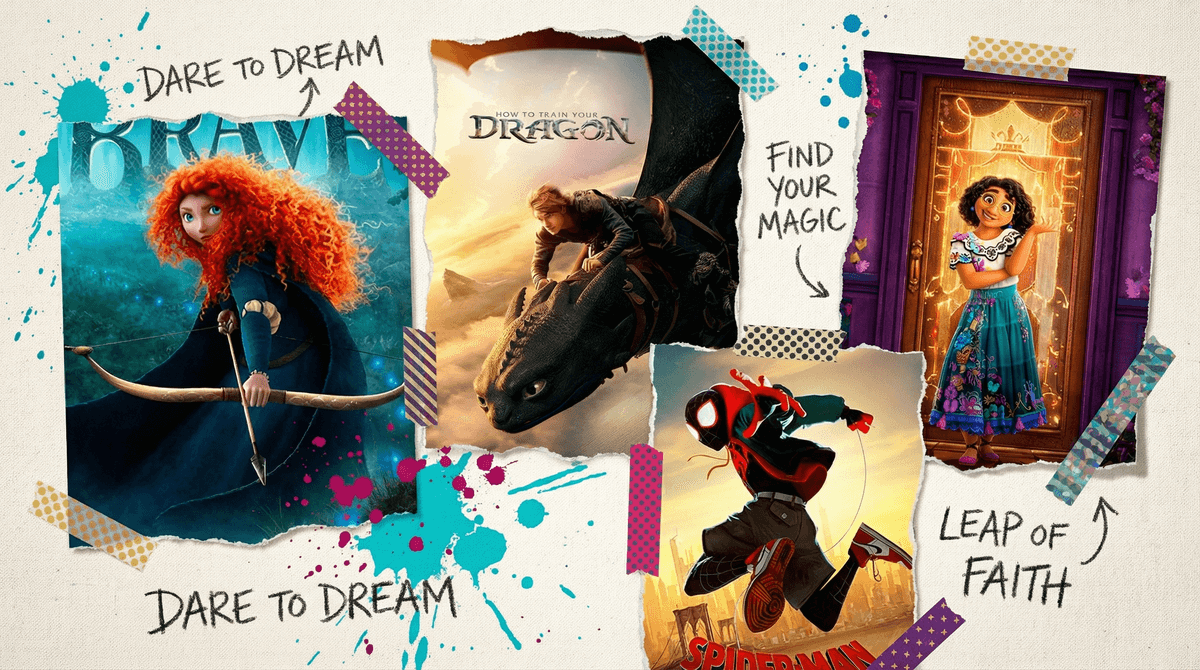
Look, we've all sat through enough movies where the princess needs saving, the boy has to be tough and emotionless, and girls are... well, just there to look pretty or be someone's girlfriend. These films flip that script. They're movies where girls are brave, messy, and complex. Where boys can be vulnerable, creative, or gentle without it being a punchline. Where kids see characters breaking out of the "boys do this, girls do that" boxes that honestly, none of us asked for in the first place.
These aren't necessarily capital-F Feminist Manifestos (though some are!). They're just good stories that happen to show kids—and remind us—that who you can become has nothing to do with what the world expects based on your gender.
Here's the thing: kids are watching. And what they watch shapes what they think is possible, normal, or "for them." Research consistently shows that media representation affects kids' beliefs about their own capabilities and interests. When your daughter only sees male scientists and your son only sees female characters defined by their appearance, that sticks.
But it's not just about representation—it's about the quality of that representation. A girl character who's "strong" but still has to be pretty, thin, and romantically available? That's not breaking stereotypes, that's just adding a sword to the same old box. The movies that actually challenge gender norms show characters who are fully human: flawed, complex, funny, scared, brave, all of it.
And yeah, these conversations can feel heavy, but kids are already getting messages about gender from literally everywhere—TikTok, YouTube, their friends, school. Might as well give them some counter-programming that's actually, you know, good.
For Younger Kids (Ages 5-9)
Moana is the obvious winner here. No love interest, no makeover, just a girl who wants to sail and save her people. The movie never makes her femininity a Thing—she just is. Also, the songs absolutely slap.
Raya and the Last Dragon gives you a warrior girl in a fantasy world where trust and collaboration matter more than fighting (though there's plenty of cool fighting). Raya's not trying to prove herself to men or overcome being a girl—she's just the hero, full stop.
Encanto is sneaky good for this. Luisa's whole song about pressure and strength, Mirabel being the hero without a "special" gift, and honestly the entire family dynamic challenges what strength, beauty, and value look like.
The Iron Giant is an older one, but it's beautiful for boys. Hogarth is sensitive, scared, and chooses peace. The Giant learns that "you are who you choose to be"—not what you're built for. It's basically a masterclass in gentle masculinity.
For Tweens (Ages 9-13)
How to Train Your Dragon has Hiccup, who's small, not traditionally masculine, and wins through intelligence and empathy rather than brute force. The entire trilogy is about rejecting toxic masculinity and choosing connection. And Astrid is a fully realized character who's not there to be rescued or be a prize.
Spider-Man: Into the Spider-Verse gives you Miles, who's artistic and vulnerable, and Gwen, who's competent and doesn't exist just to support Miles's story. It's visually stunning and the representation feels natural, not forced.
Brave literally opens with a girl refusing to marry and wanting to change her fate. Yes, it's Pixar so there's some typical stuff, but Merida's relationship with her mom and her refusal to be what's expected is the whole point.
The Hunger Games (for older tweens/early teens) shows Katniss as strategic, flawed, and motivated by protecting her family—not romance. The love triangle exists, but it's not what drives her. She's allowed to be angry, scared, and not particularly nurturing.
For Teens (Ages 13+)
Mad Max: Fury Road is technically rated R, but for older teens, it's incredible. Furiosa is the actual protagonist, Max is the sidekick, and the entire film is about women escaping sexual slavery and patriarchal control. It's also just a phenomenal action movie.
Little Women (the 2019 Greta Gerwig version) is a beautiful exploration of different ways to be a woman. Jo wants independence and art, Meg wants family, Amy wants security and recognition—and the film validates all of it while critiquing the economic realities that limit their choices.
Hunt for the Wilderpeople has Ricky, a chubby kid who loves poetry and imagining himself as a gangster. He's not traditionally masculine and the film never punishes him for it. It's also hilarious and heartwarming.
Everything Everywhere All at Once is chaotic and weird, but it's about generational trauma, mother-daughter relationships, and a middle-aged Asian woman who's messy and human. For teens ready for complexity, it's gold.
These movies aren't magic bullets. Your kid won't watch Moana once and suddenly be immune to gender stereotypes. But they're part of building a media diet that shows different possibilities. Mix these with conversations—ask your kids what they notice, what they think is fair or unfair, what they'd do differently.
Boys need these movies too. Maybe especially. The messages boys get about masculinity—be tough, don't cry, don't be "like a girl"—are incredibly limiting and harmful. Movies that show boys being vulnerable, creative, or choosing non-violence give them permission to be whole humans.
Watch for "strong female character" syndrome. A girl with a sword who's still defined by her looks and relationships isn't actually challenging stereotypes. Look for characters with agency, flaws, relationships that matter to them, and goals beyond romance.
Age ratings matter, but so does your kid. Some 11-year-olds are ready for The Hunger Games, some aren't. You know your kid. Use resources like Common Sense Media to get a sense of content, then decide.
Kids are going to absorb messages about gender whether we're intentional about it or not. These movies give them stories where the boxes don't matter, where girls can be heroes and boys can be gentle, where who you are matters more than what you're "supposed" to be.
Are they perfect? No. Will your kid still encounter a million stereotypes everywhere else? Absolutely. But these films plant seeds—they show different possibilities, spark conversations, and remind kids (and us) that the old scripts don't have to be the only scripts.
Plus, most of these are just genuinely great movies. So there's that.
Want more recommendations tailored to your kid's age and interests? Check out our guide to finding age-appropriate movies or explore alternatives to Disney princess movies. And if you're wondering how to actually talk to your kids about what they're watching, here's how to have media conversations that don't feel like lectures .
.