

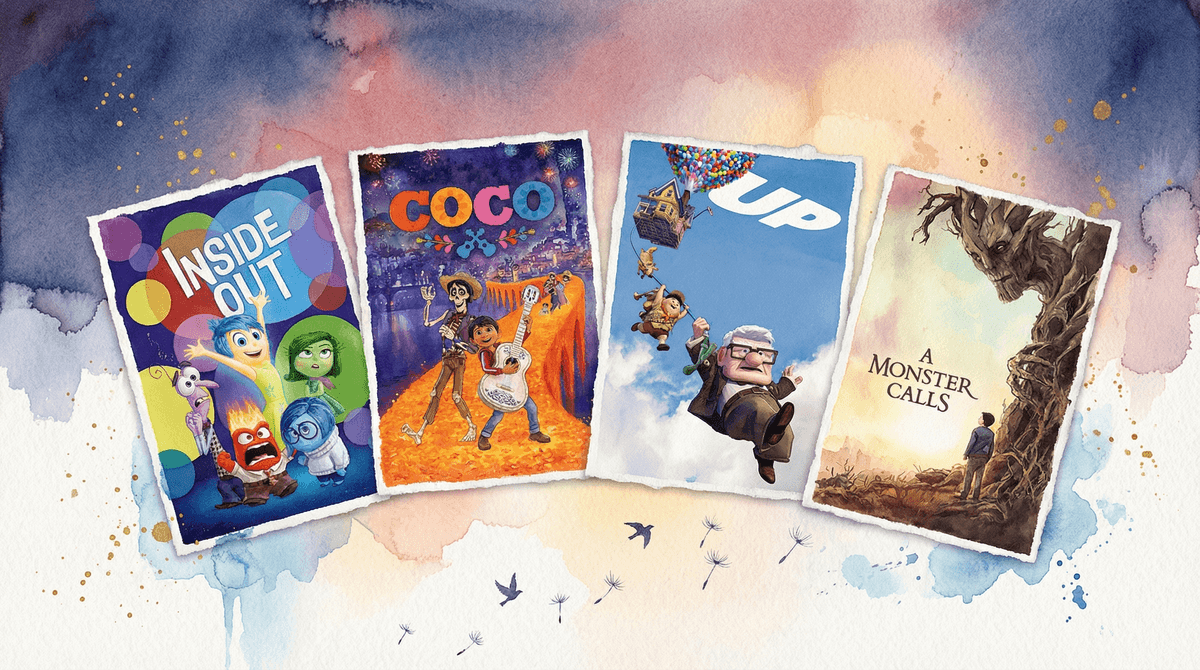
Look, grief is one of those things we wish we could shield our kids from forever. But loss—whether it's a grandparent, a pet, a friend moving away, or even processing collective grief from world events—is part of life. And sometimes, a well-chosen movie can open up conversations that feel impossible to start on our own.
Movies about grief for kids aren't just sad movies (though yes, there will be tissues). They're films that show characters navigating loss, processing big emotions, and finding ways to keep living and loving even when things feel broken. They normalize the messy, non-linear reality of grief—the anger, the confusion, the unexpected moments of joy that can make you feel guilty.
The right film can give kids language for feelings they don't have words for yet. It can show them they're not alone. And honestly? Sometimes it's easier to talk about what Coco's Miguel is feeling than to ask "how are YOU feeling about Grandpa dying?"
Here's what makes grief movies powerful: they give kids permission to feel everything. Our culture is weirdly uncomfortable with sadness, especially in children. We want to fix it, rush through it, make it better. But grief doesn't work that way.
Good grief movies show that:
- Sadness and joy can coexist—you can miss someone and still laugh
- Grief looks different for everyone—there's no "right way" to grieve
- Memories keep people alive—love doesn't end when life does
- It's okay to need help—talking about feelings isn't weakness
They also create a shared emotional experience. Watching together gives you a natural opening: "That part where Riley couldn't feel happy anymore in Inside Out—have you ever felt like that?"
Ages 4-7: Gentle Introductions
Coco (2017, PG) This is THE grief movie for families. Miguel's journey into the Land of the Dead is visually stunning and treats death as a natural, even beautiful part of life. The Mexican tradition of Día de los Muertos provides a framework that feels celebratory rather than scary. Yes, there are skeletons everywhere, but they're funny and warm. The message—that we keep people alive through memory and stories—is profound without being heavy-handed. Perfect for first conversations about death.
The Lion King (1994, G) Mufasa's death is a rite of passage for millennials, and it still hits. Simba's journey through guilt, avoidance, and eventually acceptance mirrors real grief patterns. The "remember who you are" moment? Chef's kiss. Just be ready—that stampede scene is genuinely upsetting for young kids. Maybe have the tissues ready and be prepared to pause if needed.
My Girl (1991, PG) Vada's processing of death (her mother's, then her best friend's) is heartbreaking but handled with care. This one's better for kids on the older end of this range who can handle the funeral scene. It's a beautiful depiction of childhood grief and the adults who show up for grieving kids.
Ages 8-11: Processing Complex Loss
Bridge to Terabithia (2007, PG) Fair warning: this one blindsides you. It looks like a fantasy adventure, then suddenly it's about sudden, senseless loss. Jess's grief—the shock, the guilt, the anger—feels incredibly real. It's tough viewing, but it validates that grief can feel unfair and confusing. Not for a casual Friday night, but powerful when you're ready for it.
Up (2009, PG) That opening montage? Devastating. But the film beautifully explores how Carl processes grief through isolation, then slowly opens his heart again. It shows that moving forward doesn't mean forgetting—Carl keeps Ellie with him while still making new memories. The adventure framework makes heavy themes more accessible.
A Monster Calls (2016, PG-13) This one's intense—a boy whose mother is dying summons a monster to help him face the truth. It's visually stunning and doesn't sugarcoat the anger and fear that come with anticipatory grief. Definitely for mature tweens who can handle dark themes, but it's one of the most honest depictions of a child facing a parent's death.
Ages 12+: Nuanced Grief Stories
The Fault in Our Stars (2014, PG-13) Teen grief, terminal illness, and first love. It's a sob-fest, but it treats young people's emotions with respect. Hazel's journey shows that being sick doesn't mean you stop being a whole person with desires and agency. Good for teens processing their own mortality awareness or dealing with loss.
Manchester by the Sea (2016, R) This is for older teens only—it's rated R for language and contains references to a traumatic death. But it's one of the most realistic portrayals of complicated grief, showing how trauma can freeze you in place. Lee's inability to forgive himself, the way grief makes him numb—it's heavy but important for teens who might be experiencing depression or complicated loss.
Soul (2020, PG) More about existential questions than direct grief, but it explores mortality, purpose, and what makes life meaningful. Joe's journey helps kids (and adults) think about death not as an ending but as context for living fully. Great for philosophical teens.
Timing matters. Don't watch a grief movie the night before a funeral. But also don't wait until you're in crisis—these films can build emotional vocabulary before you desperately need it.
Your grief will show. You might cry. That's actually good—it models that adults have feelings too and that expressing them is healthy.
Follow their lead. Some kids want to talk immediately. Others need time to process. Don't force a conversation, but make yourself available. "I'm here if you want to talk about the movie... or anything else" goes a long way.
Rewatch is real. Kids often want to watch grief movies repeatedly. They're working something out. Inside Out on repeat for the fifth time? They're learning something each viewing.
Not all grief is death. These movies also help with divorce, moving, friendship endings, pet loss—any significant loss. The emotional processing skills translate.
Be aware that grief movies often include:
- Death scenes (sometimes sudden, sometimes prolonged illness)
- Funeral scenes that might be triggering if you're recently bereaved
- Anger and emotional outbursts that can be intense for sensitive kids
- Depression and isolation that might hit close to home
Check Common Sense Media for specific content details before choosing. And honestly? Preview anything you're unsure about. Knowing what's coming helps you support your kid through it.
Grief movies aren't fun, exactly. But they're important. They create space for conversations that feel too big to start from scratch. They show kids that sadness doesn't last forever, but love does.
The best grief movie for your family is the one that matches where they are developmentally and emotionally. Coco is a safe starting place for most families. Bridge to Terabithia is for when you're ready to go deeper. And Manchester by the Sea is for when your teen is grappling with really complex stuff.
Watch together. Pause when needed. Talk when they're ready. And remember: you don't have to have all the answers. Sometimes the most powerful thing you can say is "I don't know, but we'll figure it out together."
If you're navigating active grief: Consider waiting on the movie and focusing on real-world support first—therapy, grief groups, books specifically about your situation.
If you're building emotional literacy: Start with lighter fare like Inside Out or Coco before diving into heavier content.
If your kid is asking questions about death: That's your green light. Pick a movie that matches their age and watch it together as a conversation starter.
And if you need more support around these conversations, learn more about talking to kids about death and loss or explore more movies that build emotional intelligence.