

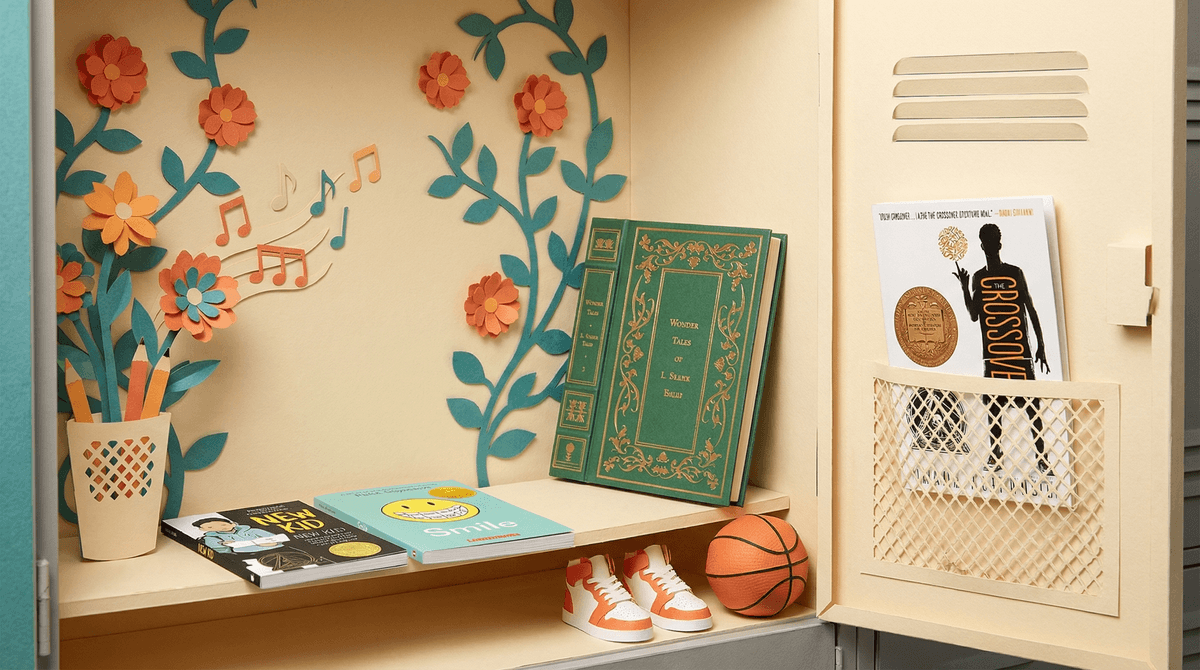
Middle school survival books are novels (mostly realistic fiction, but sometimes fantasy or graphic novels) that tackle the very specific chaos of ages 10-14: friendship betrayals, body changes, identity questions, academic pressure, and that overwhelming feeling of not fitting in anywhere. Think books where the main character is navigating cliques, dealing with their first crush, figuring out who they are beyond their elementary school identity, or just trying to make it through the day without dying of embarrassment.
These aren't the chapter books from elementary school where problems get solved in 150 pages with a tidy bow. These are books that sit with discomfort, acknowledge that sometimes there's no perfect solution, and show kids that feeling lost or confused or angry during middle school is... completely normal.
Here's the thing: middle school is objectively terrible for most kids. Their brains are rewiring, their bodies are doing weird things, their friendships are suddenly high-stakes drama, and they're supposed to navigate all of this while also learning pre-algebra. Cool, cool, cool.
Books give kids a safe space to process these experiences without the social risk. They can see themselves in a character's struggles, learn how someone else handled a situation, or just feel less alone in their confusion. It's like having a friend who's been through it and lived to tell the tale.
Plus, unlike scrolling TikTok for advice (which, let's be honest, is what a lot of kids are doing), books give kids time to think. They're not getting rapid-fire hot takes about how to handle friendship drama—they're following a character through a full arc, seeing consequences play out, watching growth happen slowly. That's valuable in a way that 60-second videos just can't match.
Not all survival books hit the same notes. Here's what's out there:
Realistic Contemporary Fiction - These are the "this could literally happen tomorrow" books. Wonder by R.J. Palacio (kid with facial differences navigating fifth grade), The Crossover (basketball-playing twins dealing with family and identity), New Kid (being one of the few Black kids at a private school). These books don't pull punches about racism, ableism, economic differences, or social hierarchies.
Identity and Self-Discovery - Books that tackle figuring out who you are: George (now called Melissa) about a transgender girl, The First Rule of Punk about a Mexican-American girl finding her voice, Starfish about body image and self-acceptance. These books say "you're allowed to be figuring this out."
Friendship Drama Central - Because middle school friendships are a special kind of chaos. Drama (a graphic novel about theater kids and relationship drama), The Miscalculations of Lightning Girl (about a math genius learning that being smart doesn't mean you know how to make friends).
Fantasy/Sci-Fi with Middle School Vibes - Sometimes kids need the metaphor of a dystopian society or magic school to process their actual middle school. Percy Jackson series (feeling different suddenly makes sense when you're a demigod), The Hunger Games (yeah it's about survival, but also about being forced into a role you didn't choose—very middle school).
Ages 10-12 (5th-6th grade): Start with books that acknowledge middle school is hard but maintain some optimism. Wonder, Fish in a Tree, Insignificant Events in the Life of a Cactus. These books deal with real issues but generally have supportive adults and hopeful endings.
Ages 12-14 (7th-8th grade): Kids this age can handle more complexity, moral ambiguity, and darker themes. The Hate U Give, Speak, Ghost Boys. These books don't promise that everything will be okay—they promise that you can survive hard things and that your voice matters.
Not all "middle grade" books are created equal. Some are gentle and encouraging, others tackle sexual assault, police violence, suicide, or eating disorders. This isn't bad—these are real things kids are thinking about—but you should know what your kid is reading so you can be available for conversations.
Graphic novels count as real reading. If your kid is devouring Smile or Guts by Raina Telgemeier, that's legitimate reading that's building literacy and emotional intelligence. Don't be weird about it.
Diverse books aren't just for diverse kids. White kids need to read books by and about people of color. Straight kids need to read books with LGBTQ+ characters. Kids from two-parent households need to read about kids in foster care. This is how empathy develops.
Your kid might not want to talk about what they're reading. That's okay. The book is doing its work even if you're not getting a full report. But if they DO want to talk, be ready to listen without immediately problem-solving .
.
Let them choose. Taking your kid to the library or bookstore and letting them pick based on covers and back-cover descriptions is way more effective than handing them your carefully curated list.
Audiobooks are your friend. Some kids are "readers" who just don't love the physical act of reading. Audiobooks let them get the story while doing other things. It counts.
Don't make it homework. The second you require a book report or force a discussion, you've killed the magic. Let reading be the one thing they do that isn't graded or analyzed.
Read what they're reading. Not to monitor them, but to understand their world. Plus it gives you natural conversation starters that aren't "how was school?" (which never works).
Middle school survival books won't make middle school not suck. But they can make it suck less. They give kids language for their experiences, examples of how other people handled hard things, and most importantly—proof that other people have felt exactly how they feel and made it through.
In a world where kids are getting their social education from YouTube influencers and TikTok trends, books offer something slower, deeper, and more nuanced. They're not the only answer to helping kids navigate middle school, but they're a really good tool in the toolkit.
Next step: Take your kid to the library this week. Let them wander the middle grade section. See what they pick up. Don't judge their choices. Just let them read.
And if you want specific recommendations based on what your kid is dealing with right now, Find books for specific middle school challenges.