

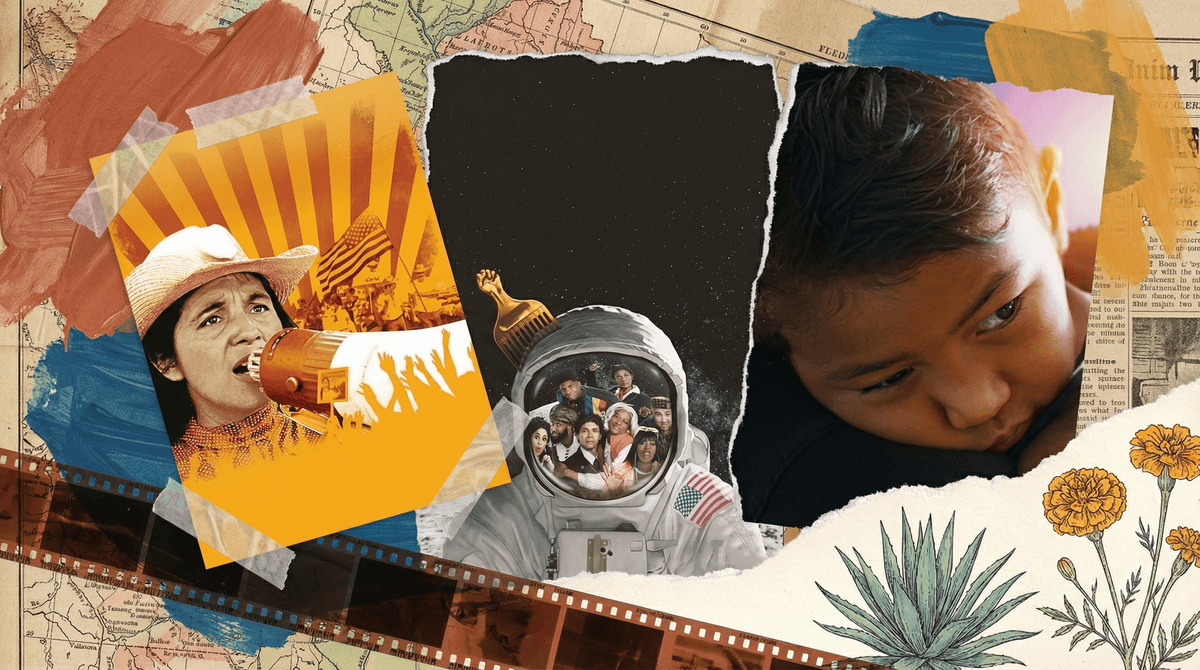
Latino documentaries are non-fiction films that explore the histories, cultures, experiences, and stories of Latin American and Latino communities. These aren't your typical school-assignment documentaries (though some work great for that too). We're talking about films that range from deeply personal family stories to sweeping historical narratives, from celebrations of art and music to hard-hitting investigations of social issues.
The thing is, representation matters—and documentaries offer something unique. Unlike fictional stories where Hollywood often gets things embarrassingly wrong, documentaries put real Latino voices, experiences, and perspectives front and center. They're a chance for kids to see authentic stories that might mirror their own lives or open windows into experiences different from theirs.
And here's what makes this moment particularly exciting: streaming platforms have made incredible Latino documentaries more accessible than ever. Films that might have only played at film festivals a decade ago are now just a few clicks away.
Let's be real: most kids' understanding of Latino culture comes from what they see in mainstream media, which is... limited at best. Documentaries can fill in those massive gaps in ways that feel organic rather than like a lecture.
For Latino kids, these films can be validating and empowering. Seeing your culture, your family's immigration story, or your community's struggles and triumphs reflected on screen? That's powerful stuff. It says "your story matters" in a way that really lands.
For non-Latino kids, documentaries build empathy and cultural literacy. They're a chance to understand that "Latino" isn't a monolith—there's no single Latino experience. A documentary about Puerto Rican bomba dancers looks nothing like one about Guatemalan textile artists or Mexican-American farmworkers.
Plus, documentaries naturally spark conversations. Unlike a fictional movie where you might just discuss the plot, documentaries raise questions: "Is that really true?" "Why did that happen?" "What would I do in that situation?" These are the conversations that actually stick with kids.
Ages 6-9: Start with Culture and Celebration
Younger kids do best with documentaries that focus on art, music, food, and cultural traditions. Look for shorter films (under 45 minutes) with vibrant visuals and uplifting stories. Coco isn't a documentary, but its behind-the-scenes features about Día de los Muertos are documentary-style and perfect for this age.
Try films about traditional dances, musical instruments, or family recipes. The goal here is building positive cultural associations and curiosity, not tackling heavy topics.
Ages 10-13: Add History and Personal Stories
Middle schoolers can handle more complex narratives and some difficult history, though you'll want to preview for intense content. This is a great age for documentaries about young activists, sports figures, or artists. Films that follow kids or teens are particularly engaging.
They're also ready for immigration stories, though maybe not the most traumatic ones yet. Look for documentaries that show resilience and agency alongside challenges.
Ages 14+: Everything's on the Table
High schoolers can handle the full range—from hard-hitting investigations of social justice issues to complex historical documentaries. They're ready for films about topics like immigration enforcement, police brutality, environmental racism, and political movements.
This is also when kids can appreciate more experimental or artistic documentary styles, not just straightforward narration.
Not All Documentaries Are Created Equal
Some documentaries are beautifully made, thoroughly researched, and deeply moving. Others are... not. Just because something's a documentary doesn't mean it's good or accurate. Look for films from reputable filmmakers, check reviews, and preview when possible.
PBS, HBO, Netflix, and Disney+ all have solid documentary offerings. Film festival winners (Sundance, Tribeca, etc.) are usually a safe bet for quality.
Content Warnings Are Real
Many powerful Latino documentaries deal with genuinely difficult topics: immigration trauma, violence, discrimination, poverty. These stories deserve to be told and heard, but that doesn't mean every kid is ready for every film at every age.
Preview films before watching with younger kids. For teens, you might just read detailed reviews together and discuss whether they feel ready for heavy content.
Language Matters
Many Latino documentaries are in Spanish or mix Spanish and English. This is actually great—it normalizes hearing Spanish and shows kids that subtitles aren't scary. But if your kid is a reluctant reader, subtitled documentaries might be frustrating. Start with shorter films or ones with more English to build comfort.
Discussion Is the Point
The real value of documentaries comes from the conversations they spark. Don't just put on a film and walk away. Watch together when possible, pause to discuss, and follow up afterward. Ask open-ended questions: "What surprised you?" "How do you think that felt?" "What would you want to learn more about?"
"Chef's Table" (Netflix) - Various Episodes The series features several Latino chefs telling their stories through food. The Gabriela Cámara episode (Season 6) is stunning and appropriate for ages 10+. Chef's Table is visually gorgeous and food is an accessible entry point for cultural conversations.
"The Claudia Kishi Club" (Netflix) While focused on Asian-American representation, this documentary about the Latina-Japanese character from The Baby-Sitters Club books is great for ages 10+ and sparks conversations about representation in media.
"Dolores" (PBS) About labor leader Dolores Huerta, this is powerful for ages 12+ and shows activism and social change in action.
"La Corona" (PBS) A short documentary about a Mexican-American family's mariachi tradition. Sweet, accessible, great for ages 8+.
"Living Undocumented" (Netflix) Powerful but heavy—definitely 14+ and worth watching together. It follows several undocumented families and will generate intense conversations.
Latino documentaries aren't just for Latino families (though they're especially valuable there). They're for any family that wants kids to grow up with a more complete, nuanced understanding of the world around them.
Start with topics your kids already care about—sports, music, art, food—and let curiosity lead you to deeper topics. Make it a regular thing, not a one-time "educational" watch. And most importantly, use these films as conversation starters, not just screen time.
The stories are out there, they're accessible, and they're waiting to spark something in your kid. Whether that's pride in their own heritage, empathy for others' experiences, or just a newfound appreciation for the complexity of Latino cultures—it's all worth it.
Not sure where to start? Get documentary recommendations based on age and interests . Or dive into our guide to building media literacy through documentaries to make the most of what you watch together.