

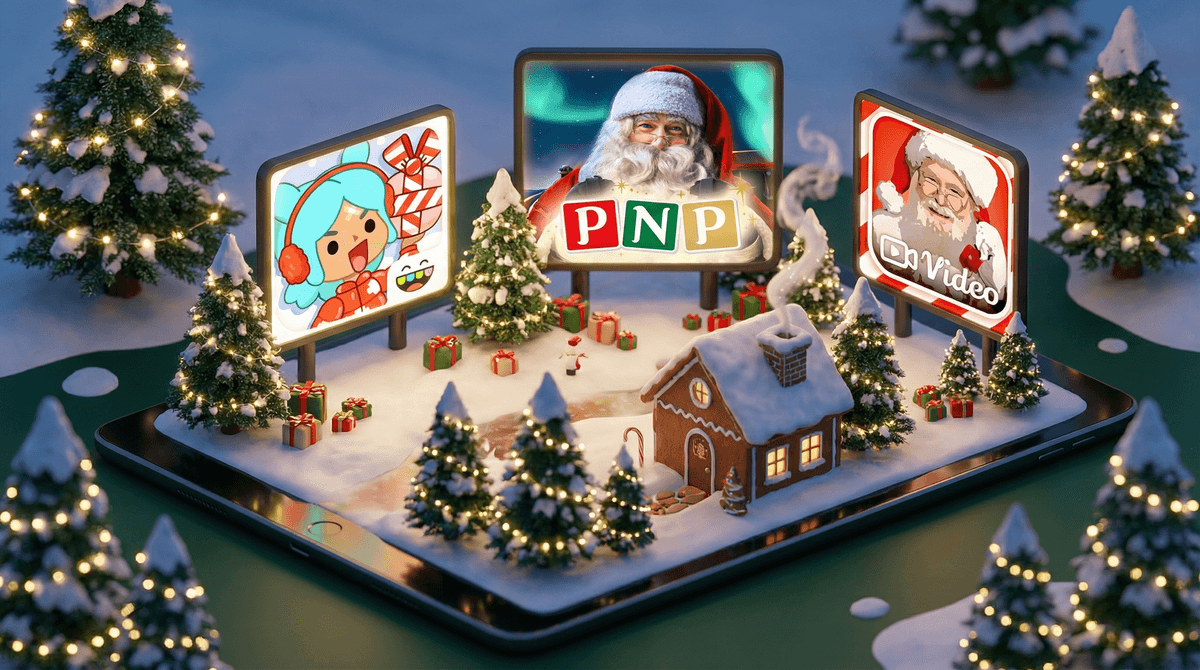
Every December, the app stores light up like a digital advent calendar. Holiday-themed apps flood in—everything from "Santa's calling!" video chat simulators to elf dress-up games, Christmas countdown timers, and "track Santa's sleigh in real time!" experiences. Some are genuinely delightful. Many are thinly-veiled ad delivery systems wrapped in tinsel.
The appeal is obvious: parents want to add a little magic to the season, and kids are absolutely here for anything that promises a personalized message from the North Pole or lets them "help Santa" deliver presents in a game. But here's the thing—most of these apps are designed to be used intensely for about three weeks, then deleted. Which raises the question: are they worth the download, the data permissions, and the inevitable "just five more minutes!" negotiations?
Kids love holiday apps for the same reason they lose their minds over those animatronic singing reindeer at the drugstore—it's novel, it's festive, and it feels special. A countdown app that opens a new mini-game each day? That's exciting when you're seven. A video call from "Santa" that knows your name and what you asked for? That's straight-up magic when you're five.
Parents love them because they seem like harmless seasonal fun. They're often free (we'll come back to that), they keep kids entertained during those chaotic weeks between Thanksgiving and New Year's, and honestly, sometimes you just need 15 minutes to wrap presents without someone asking what's in the bag.
The problem is that "free" and "harmless" don't always mean the same thing in app-land.
Most holiday apps are free to download, but they make money somehow. Usually through:
Ads. So many ads. Your kid wants to decorate a gingerbread house, but first they have to watch a 30-second ad for a mobile game you definitely don't want them playing. Then another ad pops up mid-decorating. Then another when they try to save their creation. It's like trying to enjoy a holiday parade while someone shoves flyers in your face every 90 seconds.
In-app purchases. The app is free, but the "premium ornaments" cost $2.99. The "deluxe Santa call" is $4.99. The "ad-free experience" is $9.99. Suddenly your free app has cost more than a decent board game.
Data collection. Some of these apps ask for way too many permissions—location, camera, microphone, contacts. Why does a digital advent calendar need to know where you live? Spoiler: it doesn't, but advertisers want to know .
.
Ages 3-6: Proceed with caution
Little kids are the prime target for holiday apps, but they're also the most vulnerable to ads and in-app purchase prompts. If you're going to use holiday apps with this age group:
- Stick to apps with a one-time purchase for ad-free experience (usually $2-5)
- Avoid anything that requires creating an account or entering personal info
- Watch with them. Seriously. Don't hand over the iPad and walk away.
Better alternatives: Daniel Tiger's Grr-ific Feelings has holiday content built in, Toca Boca apps often include seasonal updates, and they're designed without ads or predatory mechanics.
Ages 7-10: The sweet spot (with guardrails)
This age can actually enjoy holiday apps as intended—countdown calendars, simple games, virtual Santa experiences. But they're also old enough to be frustrated by constant ads and savvy enough to figure out how to buy things.
- Enable parental controls on in-app purchases (this should be non-negotiable year-round, honestly)
- Look for apps from reputable developers—PBS Kids, Sesame Street, and similar trusted brands often release holiday content
- Set a timer. These apps are designed to be sticky, and "just checking my advent calendar" can turn into 45 minutes of mindless tapping
Ages 11+: They're probably too cool for this
Most tweens and teens aren't downloading "Santa's Workshop" apps. If they're engaging with holiday content, it's probably through Roblox (which has seasonal events), Minecraft (holiday mods and builds), or social media (making TikToks about holiday traditions, watching YouTube hauls, etc.).
The conversation here shifts from "which holiday app is safe?" to helping them navigate holiday FOMO, consumerism, and social comparison.
The "Santa call" apps are... fine?
Apps like Portable North Pole or Video Call Santa can be genuinely fun for younger kids. They're essentially customizable videos where "Santa" says your child's name and references specific things. The magic moment is real—but it lasts about 90 seconds, and then your kid will want to do it seventeen more times.
Pro tip: Do it once, record it on your phone, and replay that instead of reopening the app (and triggering more ads).
Countdown apps are the gateway drug
Advent calendar apps seem innocent—open a new door each day, get a mini-game or activity. But they're designed to build a daily habit. Your kid will remember to check it every single morning, and suddenly you're negotiating screen time before breakfast for 25 days straight.
If you want a countdown experience, consider a physical advent calendar (the chocolate kind, or one with small toys/activities) or a simple paper chain. I know, I know—very analog. But it scratches the same anticipation itch without the screen time creep.
Holiday content in existing apps is usually better
Instead of downloading five new holiday apps, look for seasonal content in apps your kids already use and you already trust:
- Khan Academy Kids adds holiday-themed activities
- Epic! (the kids' book app) has collections of holiday stories
- Osmo releases seasonal game packs
These are less likely to be ad-riddled cash grabs because they're part of an existing ecosystem you've already vetted.
Holiday apps aren't inherently evil, but they're also not necessary. The magic of the season doesn't require an iPad, and the "specialness" of a Santa call app wears off fast—especially when it's interrupted by ads for crypto trading platforms (yes, really).
If you do use holiday apps:
- Pay the $3-5 for ad-free versions if they exist
- Set strict time limits (10-15 minutes max)
- Delete them on December 26th (or let your kid do it—it's a good lesson in digital decluttering)
Better ideas that capture the same magic:
- Let your kid "track Santa" on NORAD's website on Christmas Eve (it's free, it's fun, it's been around forever, and it doesn't require downloading anything)
- Make a holiday playlist together on Spotify
- Watch holiday episodes of shows they already love—Bluey's Christmas episode is genuinely great
- Do a family movie night with classic holiday films
The holidays are already overstimulating enough without adding more screens to the mix. If a holiday app genuinely brings your family joy and doesn't come with a side of predatory advertising, great. But if you skip them entirely? Your kids will be just fine. Maybe even better.
Before downloading any holiday app:
- Check the reviews—not just the star rating, but read what parents actually say about ads and in-app purchases
- Look at the permissions—if it's asking for more than it needs, skip it
- Set a deletion date—literally put a reminder in your phone for December 26th to remove it
If you want to add holiday magic without apps:
And remember: the best holiday memories rarely involve apps. They involve people, traditions, and probably way too much sugar. Embrace that.