

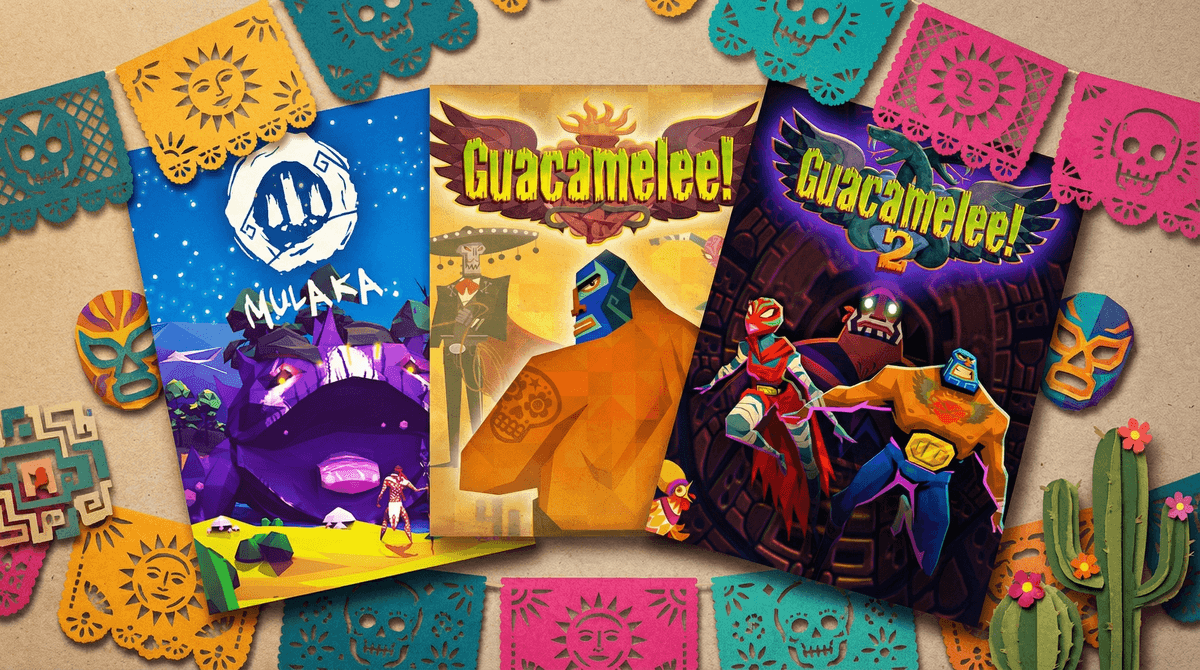
Look, representation in gaming has come a long way from the days when Latino characters were limited to stereotypical side characters or problematic tropes. Today, there's a growing library of games—from indie gems to major studio releases—that authentically celebrate Latino heritage, traditions, language, and stories. These aren't just games that happen to feature Latino characters; they're games designed to honor and explore the richness of Latino cultures, often created by Latino developers who bring lived experience to their work.
We're talking about games that incorporate Día de los Muertos traditions, explore pre-Columbian mythology, celebrate family dynamics that feel genuinely familiar to Latino households, and sometimes just let kids see characters who look like them saving the world. And honestly? These games aren't just "for" Latino kids—they're incredible opportunities for all kids to experience different cultural perspectives through interactive storytelling.
Gaming is where a huge chunk of kids are spending their time and building their understanding of the world. When your kid only sees one type of hero, one type of family, one type of "normal" in their games, that shapes their worldview—whether they're part of that represented group or not.
For Latino kids, seeing their culture reflected authentically in games can be genuinely powerful. It's the difference between feeling like an outsider in your hobby and feeling like "oh, this space is for me too." For non-Latino kids, these games are windows into experiences and traditions they might not encounter otherwise, building empathy and cultural awareness in a way that feels natural and fun rather than like a homework assignment.
Plus, let's be real: Latino cultures have some of the most visually stunning traditions, rich mythology, and compelling family dynamics that translate beautifully into game narratives. Games that tap into this aren't just doing representation—they're often just making really good games.
Guacamelee! and Guacamelee! 2 (Ages 10+)
These are side-scrolling action platformers inspired by Mexican folklore and lucha libre wrestling culture. The art style is vibrant and distinctly Mexican, incorporating Día de los Muertos imagery, Aztec mythology, and Mexican humor throughout. Your character is a luchador who gains powers from magical masks and travels between the world of the living and the dead. The gameplay is challenging but fair, and the cultural references feel authentic rather than tokenized. Mild cartoon violence (you're fighting skeleton enemies), but nothing graphic.
Mulaka (Ages 10+)
This action-adventure game is based on the legends and culture of the Tarahumara people of northern Mexico. It was developed in collaboration with Tarahumara anthropologists and community members, so the cultural representation is deeply researched and respectful. Players take on the role of a Sukurúame (a traditional shaman) defending their people against corrupted spirits. The game incorporates actual Tarahumara mythology, music, and landscapes. It's a beautiful example of how games can preserve and share indigenous stories.
[Burrito Bison: Launcha Libre](https://screenwiseapp.com/media/burrito-bison-launcha-libre-app (Ages 6+)
A lighter, more kid-friendly option—this is a silly launcher game featuring a luchador who bounces through levels. It's colorful, fun, and incorporates lucha libre culture in a way that's accessible for younger kids. No real educational value here, but it's a good entry point for elementary-aged kids to see Latino cultural elements in a game they can actually handle skill-wise.
Grim Fandango Remastered (Ages 12+)
A classic adventure game set in the Land of the Dead, heavily inspired by Mexican Day of the Dead folklore and film noir. This is a remaster of a beloved 1998 game, and while it shows its age in some gameplay mechanics, the story, art direction, and cultural fusion are still incredible. Best for older kids who can handle more complex puzzles and slower-paced gameplay. The writing is sharp and sometimes deals with mature themes (death, obviously, but also corruption and moral complexity).
Spiritfarer (Ages 10+)
While not exclusively Latino-focused, this gorgeous game about ferrying souls to the afterlife draws heavily from multiple cultural traditions including Mexican Day of the Dead concepts. It's a "cozy management game about dying" that handles themes of death, grief, and letting go with remarkable emotional intelligence. Several characters have Latino cultural backgrounds, and the game's approach to death as a natural part of life aligns with many Latino cultural traditions.
Aztez (Ages 13+)
A beat-'em-up game set in the Aztec Empire, combining real-time strategy with intense combat. This one's more violent (it's about Aztec warriors, so there's stylized blood and combat), but it's also deeply researched and incorporates actual Aztec history and mythology. Better for teens who are interested in pre-Columbian history and can handle more mature content.
Language inclusion: Some of these games incorporate Spanish words and phrases naturally into gameplay. Guacamelee! is full of bilingual puns and references. This can be a cool way for Spanish-speaking kids to see their language valued in gaming spaces, or for English-speaking kids to pick up some cultural context.
Cultural authenticity: The best games in this category involve Latino creators or cultural consultants. Mulaka, for example, worked directly with Tarahumara communities. This matters—it's the difference between cultural appreciation and cultural appropriation.
Family themes: Many Latino cultures place huge emphasis on family (familismo), and you'll see this reflected in games like Spiritfarer where relationships and taking care of others are central to gameplay.
Visual style: Latino art traditions—from folk art to muralism—often influence these games' visual design. The colors are bold, the patterns are meaningful, and the aesthetic is distinctive.
Ages 6-9: Stick with [Burrito Bison: Launcha Libre](https://screenwiseapp.com/media/burrito-bison-launcha-libre-app or look for mobile games that incorporate Latino themes in simple, accessible ways. At this age, you're mostly looking for positive representation and fun gameplay rather than deep cultural education.
Ages 10-12: Guacamelee!, Mulaka, and Spiritfarer are all solid choices. These games have more complex gameplay and can spark conversations about cultural traditions, mythology, and how different cultures approach universal themes like death and heroism.
Ages 13+: All of the above, plus Grim Fandango and Aztez. Teens can appreciate the more nuanced storytelling and handle the mature themes these games explore.
If you're not Latino yourself and your kid is getting into these games, it's actually a great opportunity to talk about cultural appreciation vs. appropriation. Ask questions like: "Who made this game? Did they work with people from this culture? What are we learning about traditions we might not know about?"
For Latino families, these games can be a jumping-off point for conversations about heritage: "Your abuela celebrates Día de los Muertos too—let's talk about how our family does it compared to what you're seeing in this game."
And for all families: these games often deal with death and the afterlife in ways that might be different from your family's beliefs. That's okay! It's a chance to talk about how different cultures approach big questions, and maybe share your own family's perspectives.
Gaming doesn't have to be culturally neutral (spoiler: it never really was—it just defaulted to one dominant culture for a long time). Games that authentically celebrate Latino heritage aren't "niche" or "educational games"—they're often just really excellent games that happen to offer representation and cultural richness as a bonus.
Whether your kid is Latino and deserves to see their culture celebrated in their hobbies, or they're not and could benefit from experiencing different cultural perspectives, these games are worth your time. They're not perfect (no game is), but they represent a meaningful shift toward gaming being a space where more kids can see themselves as the hero of the story.
Want to explore more games with strong cultural representation? Check out our guides on games celebrating Black culture, games with LGBTQ+ representation, or games highlighting Asian cultures.
Curious about whether a specific game is age-appropriate for your kid? See if a game is appropriate for your kid about any title and get personalized guidance based on your family's values and your kid's maturity level.